



AD
2-(Chloromethyl)-1,3-dioxolane(CAS: 2568-30-1)
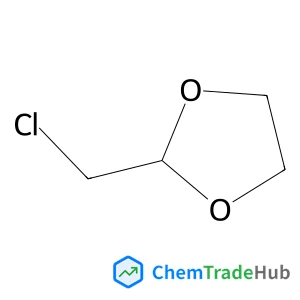
CAS Number
Related Products
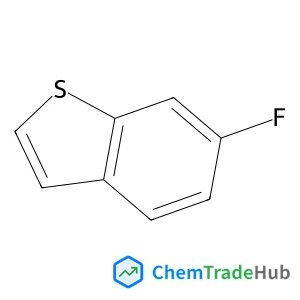
6-Fluoro-1-benzothiophene
CAS Number: 205055-10-3
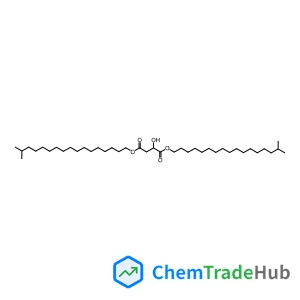
Bis(16-methylheptadecyl) malate
CAS Number: 67763-18-2
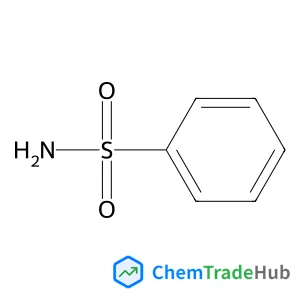
Benzenesulfonamide
CAS Number: 98-10-2
![2-(4-{[(9H-fluoren-9-yl)methoxy]carbonyl}piperazin-1-yl)acetic acid](https://static.chemtradehub.com/structs/180/180576-05-0-6f55.webp)
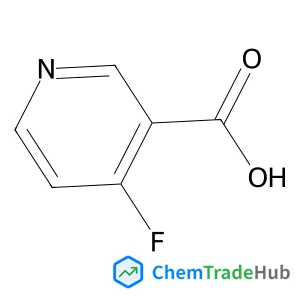
4-Fluoronicotinic acid
CAS Number: 152126-33-5
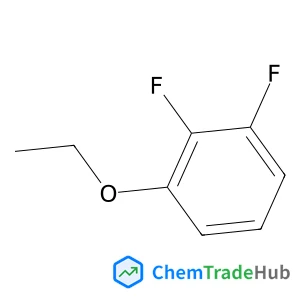
1-Ethoxy-2,3-difluorobenzene
CAS Number: 121219-07-6
Other Suppliers for 2-(Chloromethyl)-1,3-dioxolane






Basic Information
Molecular Formula
C4H7ClO2
Molecular Weight
122.55 g/mol
Physical Properties
Boiling Point
158°C
Chemical Identifiers
SMILES
C1COC(O1)CCl
InChIKey
IKZOMJGRWIOEDP-UHFFFAOYSA-N
Database References
MDL Number
MFCD00043402
Beilstein Registry Number
103229
FAQ
2-(Chloromethyl)-1,3-dioxolane (CAS: 2568-30-1) is a colorless liquid with a molecular weight of approximately 114.03 g/mol. It has a melting point of -40°C and a boiling point of 104°C. The compound is moderately soluble in water but highly soluble in most organic solvents. It is known for its reactivity towards nucleophiles and electrophiles, making it useful in various organic synthesis reactions.
2-(Chloromethyl)-1,3-dioxolane (CAS: 2568-30-1) can be synthesized by the reaction of 1,3-dioxolane with hydrochloric acid. The synthesis typically occurs through a nucleophilic substitution reaction, where the hydroxyl group of 1,3-dioxolane is replaced by a chlorine atom. This process can be carried out in a solvent such as methanol, with a yield of around 85%. Catalysts such as aluminum chloride are often used to increase the reaction rate and selectivity.
2-(Chloromethyl)-1,3-dioxolane (CAS: 2568-30-1) finds applications in several industries. It is commonly used in pharmaceuticals for the synthesis of various organic compounds, in polymers for the production of specialized materials, and in sensors for detecting specific chemical compounds. Additionally, it is utilized in semiconductor manufacturing as a precursor for organic thin films.
When handling 2-(Chloromethyl)-1,3-dioxolane (CAS: 2568-30-1), it is essential to use appropriate personal protective equipment (PPE) such as gloves, goggles, and a lab coat. Work should be conducted in a well-ventilated area or a fume hood to minimize exposure to vapors. Spills should be handled carefully, using absorbent materials and disposing of waste according to local regulations. Always refer to the Safety Data Sheet (SDS) for detailed safety information and emergency procedures.
Safety Notice
Please verify product specifications and safety data before use. Contact the supplier for detailed safety information.
Always follow proper handling procedures

Contact Information
1178380033@qq.com
Mobile
15102714773
Telephone
027-59322316
Fax
027-59322316
Visit Website
http://www.tmhchg.com