



AD
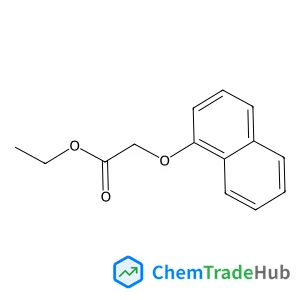
Ethyl (1-naphthyloxy)acetate(CAS: 41643-81-6)
CAS Number
Related Products
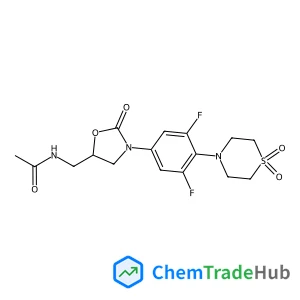
![3-Cyclopropyl-1-(2-fluoro-4-iodophenyl)-5-hydroxy-6,8-dimethylpyrido[2,3-d]pyrimidine-2,4,7(1H,3H,8H)-trione](https://static.chemtradehub.com/structs/871/871700-24-2-c5dd.webp)
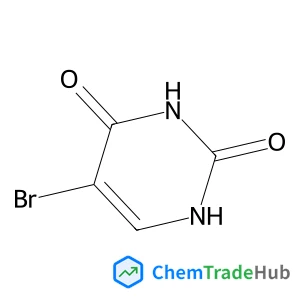
5-Bromo-2,4(1H,3H)-pyrimidinedione
CAS Number: 51-20-7

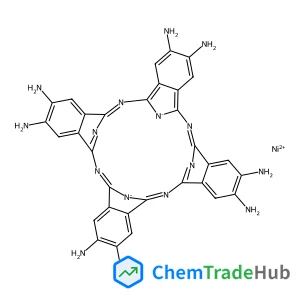
![3-Iodo-1H-pyrrolo[2,3-b]pyridine-4-carbonitrile](https://static.chemtradehub.com/structs/956/956485-59-9-1f04.webp)
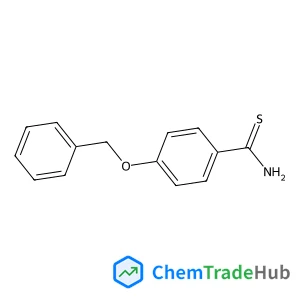
4-Benzyloxy-thiobenzamide
CAS Number: 161975-22-0
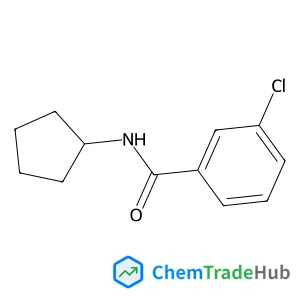
3-Chloro-N-cyclopentylbenzamide
CAS Number: 349128-33-2
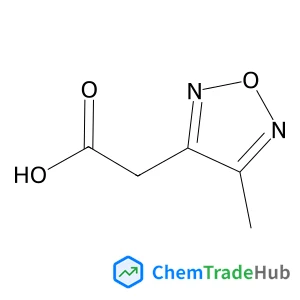
Other Suppliers for Ethyl (1-naphthyloxy)acetate


Basic Information
Molecular Formula
C14H14O3
Molecular Weight
230.26 g/mol
Chemical Identifiers
SMILES
O=C(OCC)COC1=C2C=CC=CC2=CC=C1
InChIKey
HFLLBKYQSRBNPN-UHFFFAOYSA-N
Database References
MDL Number
MFCD01162455
FAQ
Ethyl (1-naphthyloxy)acetate (CAS: 41643-81-6) falls under multiple regulatory frameworks. Under the Globally Harmonized System of Classification and Labelling of Chemicals (GHS), it is classified as a flammable liquid. For industrial use, it must comply with REACH regulations in the EU, which requires registration for substances above one tonne per year. In the United States, the FDA and EPA regulate its use and disposal. Appropriate safety data sheets (SDS) are essential for handling and storage.
There are several alternatives to Ethyl (1-naphthyloxy)acetate (CAS: 41643-81-6) in synthesis, including other acyl naphthol esters and similar functional groups. Propionic naphthol esters and other acetic acid derivatives can serve as viable substitutes, offering similar functionalities with potentially different reactivity profiles. It's important to evaluate the specific application requirements to determine the best alternative.
The market for Ethyl (1-naphthyloxy)acetate (CAS: 41643-81-6) is evolving with increasing demand in the fragrance and flavor industry. Research trends are focusing on its use in fine chemicals and pharmaceuticals. There is also growing interest in its application in the cosmetic industry due to its olfactory properties. However, market dynamics can be influenced by regulatory changes and cost fluctuations. Emerging studies are exploring its potential in more specialized applications, driving innovation in its use.
Waste containing Ethyl (1-naphthyloxy)acetate (CAS: 41643-81-6) should be collected in appropriate containers and stored away from sources of ignition. It should be disposed of through a licensed hazardous waste management facility. Incineration is a common disposal method, but it must be conducted in facilities equipped to handle flammable liquids. Environmental protection is crucial, so ensure that all disposal methods comply with local and international environmental regulations to minimize ecological impact.
Safety Notice
Please verify product specifications and safety data before use. Contact the supplier for detailed safety information.
Always follow proper handling procedures
Contact Information
Contact Person
Fang Rui
wangkang@jskchem.com
Mobile
15221441005
Telephone
15221441005
Visit Website
https://www.jskchem.comAddress
No chemical compound information was provided to translate. Please provide the relevant chemical information for translation.