



AD
Tetracaine(CAS: 94-24-6)
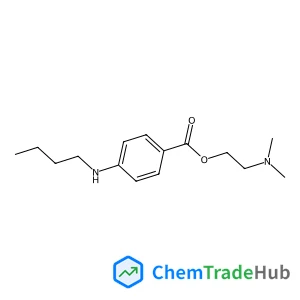
CAS Number
Related Products
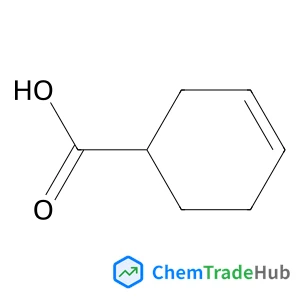
(1S)-3-Cyclohexene-1-carboxylic acid
CAS Number: 5708-19-0

Ethyl Acetamidocyanoacetate
CAS Number: 4977-62-2
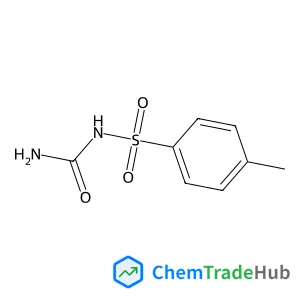
N-Carbamoyl-4-methylbenzenesulfonamide
CAS Number: 1694-06-0
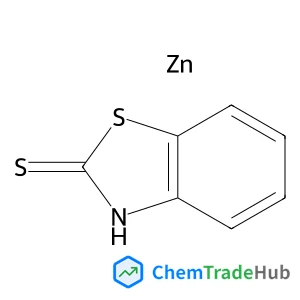
Zinc bis(1,3-benzothiazole-2-thiolate)
CAS Number: 155-04-4
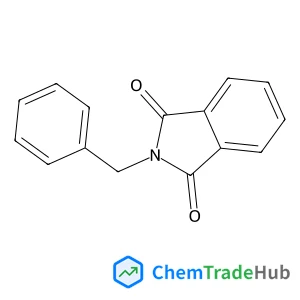
2-Benzyl-1H-isoindole-1,3(2H)-dione
CAS Number: 2142-01-0
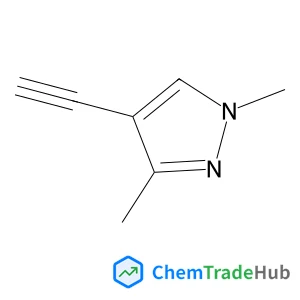
4-Ethynyl-1,3-dimethyl-1H-pyrazole
CAS Number: 61514-53-2
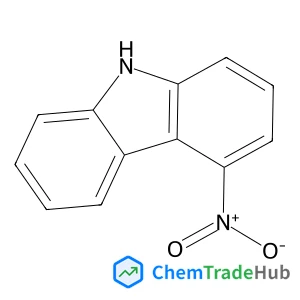
1-Nitro-9H-carbazole
CAS Number: 57905-76-7
Other Suppliers for Tetracaine




Basic Information
Molecular Formula
C15H24N2O2
Molecular Weight
264.37 g/mol
Physical State
Powder
Physical Properties
Melting Point
41.0 to 45.0 deg-C
Boiling Point
389.4℃ at 760 mmHg
Density
1.0200 (rough estimate)
Chemical Identifiers
SMILES
CCCCNC1=CC=C(C=C1)C(=O)OCCN(C)C
InChIKey
GKCBAIGFKIBETG-UHFFFAOYSA-N
Database References
MDL Number
MFCD00053787
FAQ
Tetracaine is a local anesthetic with the chemical formula C15H18N2O2. It is a yellowish crystalline powder that is soluble in water and alcohol. Tetracaine is known for its potency and long duration of action, making it useful in various medical applications. It belongs to the class of amide-type anesthetics and is commonly used in ophthalmology and dentistry.
Tetracaine is primarily used as a topical anesthetic in pharmaceuticals, especially in eye drops and ointments for numbing the eye and surrounding areas. It is also applied in veterinary medicine for local anesthesia during procedures. Additionally, it is used in research for studying anesthetic properties and in industrial settings as a component in certain chemical formulations.
Tetracaine is generally considered safe when used as directed, but it can cause toxicity if absorbed in significant amounts through the skin or mucous membranes. Proper handling and protective measures, such as gloves and eye protection, are essential. It is regulated by safety standards to ensure appropriate use in medical and research contexts, minimizing risks to users and the environment.
Tetracaine should be stored in a tightly sealed container, away from light and moisture. It is typically kept at room temperature (15-30°C) and should not be exposed to high humidity or extreme temperatures. Proper storage conditions help maintain its stability and effectiveness, while reducing the risk of degradation or contamination.
Safety Notice
Please verify product specifications and safety data before use. Contact the supplier for detailed safety information.
Always follow proper handling procedures
Contact Information
jacschem@163.com