



AD
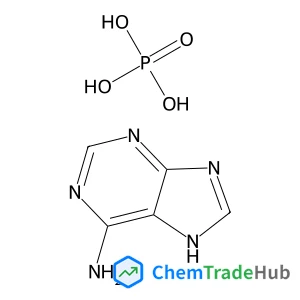
1H-Purin-6-amine phosphate (1:1)(CAS: 52175-10-7)
CAS Number
Related Products
![5,5-Dimethyl-3-[4-nitro-3-(trifluoromethyl)phenyl]-2,4-imidazolidinedione](https://static.chemtradehub.com/structs/636/63612-50-0-9020.webp)
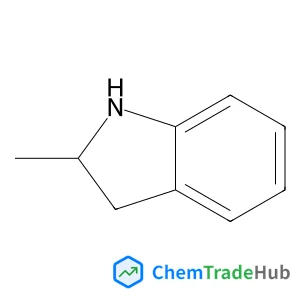
2-Methylindoline
CAS Number: 6872-06-6

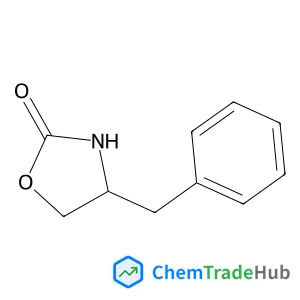
(S)-4-Benzyl-2-oxazolidinone
CAS Number: 90719-32-7

(2E)-3-(4-Fluorophenyl)acrylonitrile
CAS Number: 7182-77-6
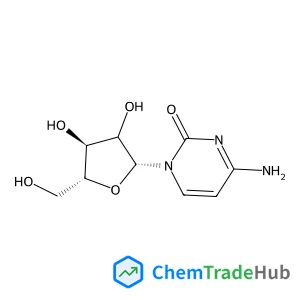
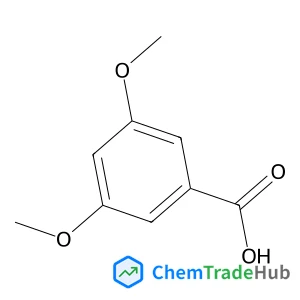
3,5-Dimethoxybenzoic acid
CAS Number: 1132-21-4
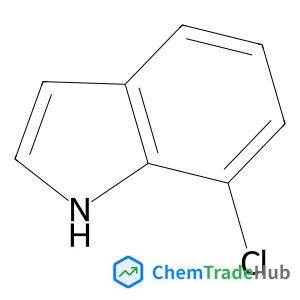
7-Chloro-1H-indole
CAS Number: 53924-05-3
![{[4-(4-Methyl-6-oxo-1,4,5,6-tetrahydro-3-pyridazinyl)phenyl]hydrazono}malononitrile](https://static.chemtradehub.com/structs/131/131741-08-7-05a3.webp)
Other Suppliers for 1H-Purin-6-amine phosphate (1:1)



Basic Information
Molecular Formula
C5H8N5O4P
Molecular Weight
233.12 g/mol
Physical Properties
Melting Point
261-263oC
Boiling Point
553.5°C at 760 mmHg
Flash Point
322.7 °C
Chemical Identifiers
SMILES
C1=NC2=NC=NC(=C2N1)N.OP(=O)(O)O
InChIKey
CCHNOBQMQBSRHQ-UHFFFAOYSA-N
Database References
MDL Number
MFCD00035170
FAQ
What are the physical and chemical properties of 1H-Purin-6-amine phosphate (1:1) (CAS: 52175-10-7)?
1H-Purin-6-amine phosphate (1:1) is a solid with a crystalline form. Its molecular weight is approximately 314.15 g/mol. It has a low solubility in water and poor solubility in organic solvents. Chemically, it is moderately reactive, especially under basic conditions. It is stable under normal temperature and pressure but can degrade under acidic conditions.
1H-Purin-6-amine phosphate (1:1) is synthesized through a multi-step process involving the reaction of 6-aminopurine with phosphoric acid. The synthesis typically uses a stoichiometric ratio and proceeds under mild conditions. Common solvents include water and water-miscible solvents. The yield is around 80-90%, and the purity can be enhanced through recrystallization.
1H-Purin-6-amine phosphate (1:1) is mainly used in the pharmaceutical industry for the development of antiviral and anticancer drugs. It also finds applications in biochemical research, particularly in the study of nucleic acid metabolism and in the synthesis of nucleoside analogs. Additionally, it is used in the development of sensors and as a component in certain polymers.
When handling 1H-Purin-6-amine phosphate (1:1), it is crucial to wear appropriate personal protective equipment (PPE), including gloves, goggles, and a lab coat. Work should be conducted in a fume hood to minimize inhalation risks. Spills should be cleaned up using appropriate absorbent materials and disposed of according to safety data sheet (SDS) guidelines. Always refer to the SDS for detailed handling instructions and emergency procedures.
Safety Notice
Please verify product specifications and safety data before use. Contact the supplier for detailed safety information.
Always follow proper handling procedures