



AD
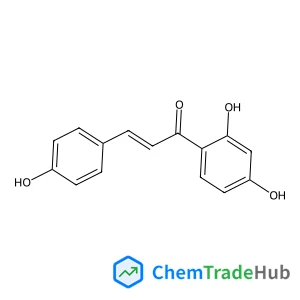
(2E)-1-(2,4-Dihydroxyphenyl)-3-(4-hydroxyphenyl)-2-propen-1-one(CAS: 961-29-5)
CAS Number
Related Products
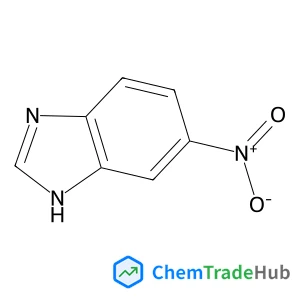
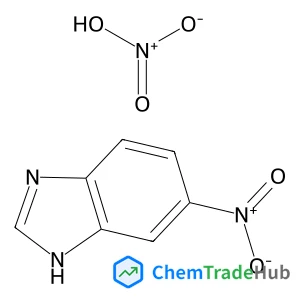
5-Nitrobenzimidazole
CAS Number: 94-52-0
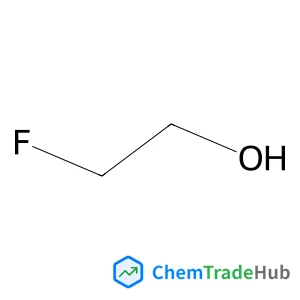
2-Fluoroethanol
CAS Number: 371-62-0
![Bis[1-Hydroxypyridine-2(1H)-thionato-S,O]Copper(II)](https://static.chemtradehub.com/structs/149/14915-37-8-7a2f.webp)

1-Bromo-2-fluoroethane
CAS Number: 762-49-2
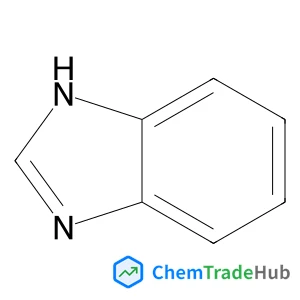
Benzimidazole
CAS Number: 51-17-2
Other Suppliers for (2E)-1-(2,4-Dihydroxyphenyl)-3-(4-hydroxyphenyl)-2-propen-1-one





Basic Information
Molecular Formula
C15H12O4
Molecular Weight
256.26 g/mol
Physical State
Orange powder
Physical Properties
Melting Point
196.0 to 200.0 deg-C
Boiling Point
504 °C at 760 mmHg
Density
1.3840
Flash Point
504 °C at 760 mmHg
Chemical Identifiers
SMILES
Oc1ccc(cc1)/C=C/C(=O)c1ccc(cc1O)O
InChIKey
DXDRHHKMWQZJHT-FPYGCLRLSA-N
Database References
MDL Number
MFCD00075907
Beilstein Registry Number
1914295
FAQ
This compound, also known as (2E)-1-(2,4-Dihydroxyphenyl)-3-(4-hydroxyphenyl)-2-propen-1-one, is a substituted coumarin derivative with the chemical formula C15H12O4. It features two hydroxyphenyl groups attached to a conjugated propenone system, giving it aromatic and reactive properties. Commonly used as a key intermediate in organic synthesis, it exhibits stability under standard conditions and is valued for its structural versatility in drug development and chemical research. Its molecular structure includes a ketone group and multiple phenolic hydroxyl groups, contributing to its functional characteristics.
The compound finds applications in pharmaceuticals as a precursor for developing drugs targeting metabolic disorders. It is also utilized in the industrial production of dyes, agrochemicals, and specialty polymers. In research, it serves as a valuable tool for studying aromatic compounds and their reactivity. Additionally, its unique structure makes it relevant in the synthesis of bioactive molecules and as a component in chemical probes for medicinal chemistry. These uses highlight its importance in both academic and commercial settings.
Safety precautions for this compound include avoiding direct skin and eye contact, as it may cause irritation. It is generally considered hazardous under GHS guidelines due to its potential to be harmful if inhaled or ingested. Proper handling requires using gloves, safety goggles, and working in a well-ventilated area. While it is not classified as highly toxic, adherence to standard chemical safety protocols is essential to minimize risks during laboratory or industrial use.
This compound should be stored in a cool, dry, and dark environment to maintain stability. Keep it in a sealed container, preferably glass, to prevent moisture ingress. Storage temperature should be between 2-8°C to avoid degradation. Avoid exposure to light and air to preserve its chemical integrity. Always store in a well-ventilated area, away from incompatible substances, to ensure long-term safety and efficacy.
Safety Notice
Please verify product specifications and safety data before use. Contact the supplier for detailed safety information.
Always follow proper handling procedures
Contact Information
Contact Person
Yao Shufeng