



AD
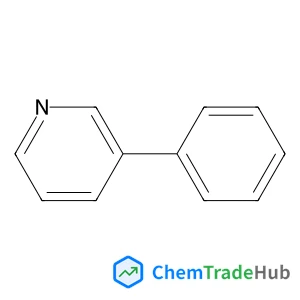
3-Phenylpyridine(CAS: 1008-88-4)
CAS Number
Related Products
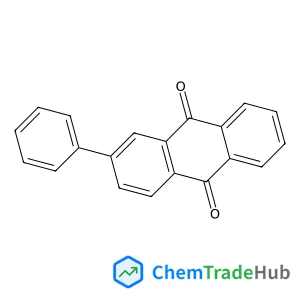
2-Phenyl-9,10-anthraquinone
CAS Number: 6485-97-8
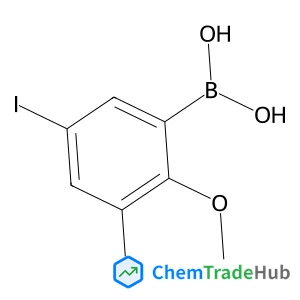
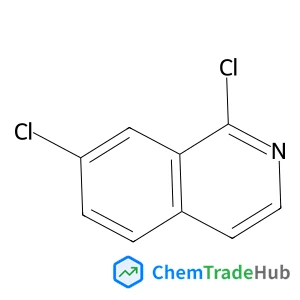
1,7-Dichloroisoquinoline
CAS Number: 70810-24-1
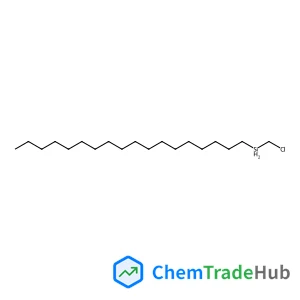
Silane, chloromethyloctadecyl-
CAS Number: 124694-97-9
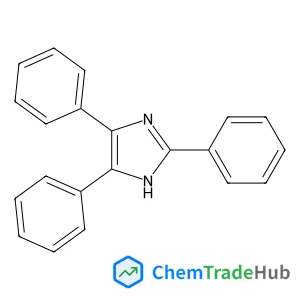
2,4,5-Triphenyl-1H-imidazole
CAS Number: 484-47-9
![[4-(Difluoromethoxy)phenyl]acetonitrile](https://static.chemtradehub.com/structs/414/41429-16-7-ae43.webp)
Other Suppliers for 3-Phenylpyridine





Basic Information
Molecular Formula
C11H9N
Molecular Weight
155.2 g/mol
Physical Properties
Melting Point
164°C
Boiling Point
274°C(lit.)
Chemical Identifiers
SMILES
C1=CC=C(C=C1)C2=CN=CC=C2
InChIKey
HJKGBRPNSJADMB-UHFFFAOYSA-N
Database References
MDL Number
MFCD00006380
Beilstein Registry Number
110400
FAQ
3-Phenylpyridine (CAS: 1008-88-4) falls under the regulatory guidelines of the Globally Harmonized System of Classification and Labelling of Chemicals (GHS), which includes hazard communication and classification. In Europe, it is subject to the REACH regulations. For pharmaceutical and cosmetic applications, FDA and EPA guidelines may also apply. Proper handling, storage, and disposal should be in accordance with these guidelines.
Alternatives to 3-Phenylpyridine (CAS: 1008-88-4) can include related phenylpyridines such as 2-Phenylpyridine or substituted analogs like 4-Phenylpyridine. Other common alternatives in synthesis include using different directing groups or substituents to achieve similar functional properties. These alternatives can offer varying levels of reactivity and selectivity depending on the specific application.
The market for 3-Phenylpyridine (CAS: 1008-88-4) is driven by its use in pharmaceuticals, organic synthesis, and as a ligand in coordination chemistry. Research trends include its application in developing novel drug candidates and as a precursor in the synthesis of other complex molecules. Market trends show a steady demand, with a focus on sustainable and environmentally friendly production methods.
Waste containing 3-Phenylpyridine (CAS: 1008-88-4) should be collected in appropriate containers and labeled according to hazardous waste regulations. Proper storage should be ensured to prevent environmental contamination. For disposal, it is recommended to use professional waste disposal services that can handle hazardous chemicals. Incineration or chemical treatment may be necessary to ensure complete degradation and minimize environmental impact.
Safety Notice
Please verify product specifications and safety data before use. Contact the supplier for detailed safety information.
Always follow proper handling procedures
Contact Information
Contact Person
Li Jun
2801519207@qq.com