



AD
2-Pyridinesulfonamide(CAS: 63636-89-5)
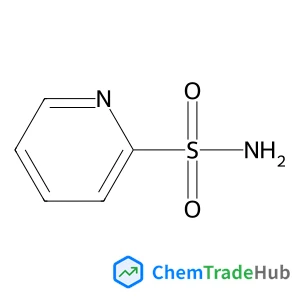
CAS Number
Related Products
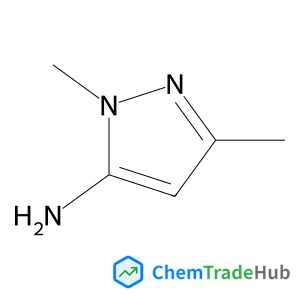
1,3-Dimethyl-1H-pyrazol-5-amine
CAS Number: 3524-32-1
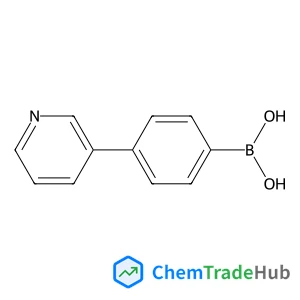
(4-(Pyridin-3-yl)phenyl)boronic acid
CAS Number: 170230-28-1
![3-Methyl-6-[(2-methyl-2-propanyl)amino]-1,3,5-triazine-2,4(1H,3H)-dione](https://static.chemtradehub.com/structs/220/2206682-85-9-c4f0.webp)
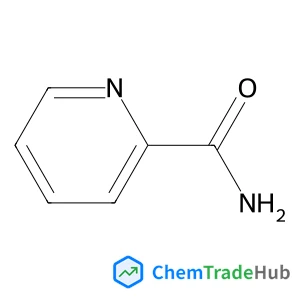
2-Pyridinecarboxamide
CAS Number: 1452-77-3
![1,4-Diazaspiro[5.5]undecan-3-one](https://static.chemtradehub.com/structs/154/1547757-91-4-19f3.webp)
1,4-Diazaspiro[5.5]undecan-3-one
CAS Number: 1547757-91-4
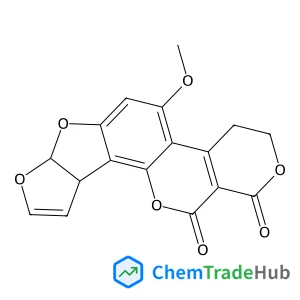
Aflatoxin G1
CAS Number: 1165-39-5
Other Suppliers for 2-Pyridinesulfonamide







Basic Information
Molecular Formula
C5H6N2O2S
Molecular Weight
158.18 g/mol
Chemical Identifiers
SMILES
C1=CC=NC(=C1)S(=O)(=O)N
InChIKey
DWJMBQYORXLGAE-UHFFFAOYSA-N
Database References
MDL Number
MFCD09260336
FAQ
2-Pyridinesulfonamide (CAS: 63636-89-5) is classified under the Globally Harmonized System of Classification and Labeling of Chemicals (GHS), which categorizes it as a skin and eye irritant. It is also subject to the REACH regulations in the European Union, which require manufacturers and importers to register substances with the European Chemicals Agency. For FDA and EPA regulations, it is important to check the most recent guidelines, as the classification and reporting requirements can change.
There are several alternatives to 2-Pyridinesulfonamide (CAS: 63636-89-5) that can be used in synthesis, including 4-pyridinesulfonamide and 5-pyridinesulfonamide. These compounds offer similar functional groups and can be used in place of 2-Pyridinesulfonamide in various reaction conditions. Common reagents such as 3-pyridinesulfonamide and 6-pyridinesulfonamide can also serve as substitutes depending on the specific needs of the synthesis.
The market for 2-Pyridinesulfonamide (CAS: 63636-89-5) is growing due to its increasing use in pharmaceuticals and agrochemicals. Research trends are focusing on its applications in drug discovery, particularly in the development of anti-inflammatory and analgesic agents. Additionally, there is interest in its use as a stabilizer in agricultural formulations. The trend shows a steady increase in demand, driven by its unique chemical properties and broad utility.
Waste containing 2-Pyridinesulfonamide (CAS: 63636-89-5) should be collected in appropriate containers and stored in a well-ventilated area away from sources of ignition. The waste should be treated by neutralizing the pH if necessary and then disposed of by incineration or through a professional waste disposal service. Environmental protection precautions should include proper labeling of the waste and compliance with local regulations to minimize environmental impact.
Safety Notice
Please verify product specifications and safety data before use. Contact the supplier for detailed safety information.
Always follow proper handling procedures

Contact Information
Contact Person
Explore Platform
zhangsn@titansci.com
Mobile
17755063297
Telephone
400-111-6333
Visit Website
https://www.tansoole.com/Address
No. 89 Shilong Road, Xuhui District