



AD
Bromo(5-methyl-2-pyridinyl)zinc(CAS: 257876-05-4)
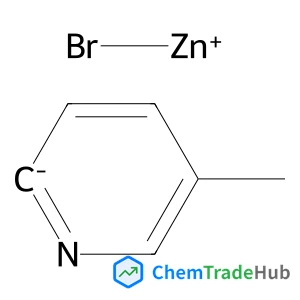
CAS Number
Related Products
![[3-(2-Hydroxyethyl)phenyl]boronic acid](https://static.chemtradehub.com/structs/647/647853-32-5-c363.webp)
![N-(Butylsulfonyl)-O-[4-(4-piperidinyl)butyl]-L-tyrosine hydrochloride hydrate](https://static.chemtradehub.com/structs/150/150915-40-5-1679.webp)
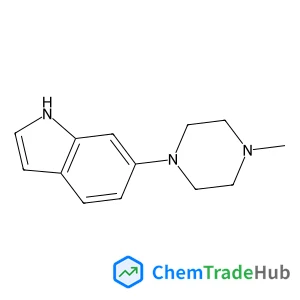
6-(4-methylpiperazin-1-yl)-1H-indole
CAS Number: 321745-04-4
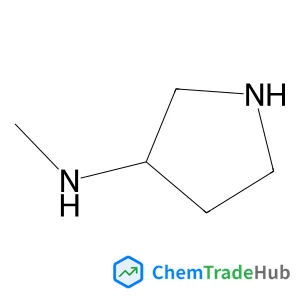
N-Methyl-3-pyrrolidinamine
CAS Number: 83030-08-4
![2-Chloro-N-[4-chloro-3-(2-pyridinyl)phenyl]-4-(methylsulfonyl)benzamide](https://static.chemtradehub.com/structs/879/879085-55-9-5abe.webp)
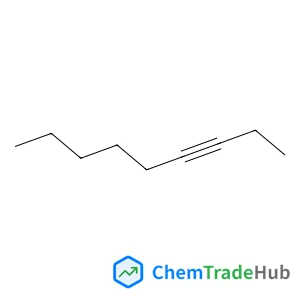
3-Nonyne
CAS Number: 20184-89-8
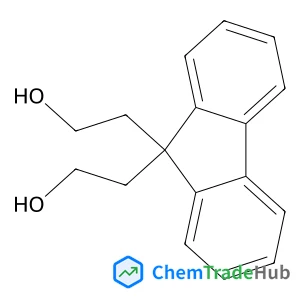
2,2'-(9H-fluorene-9,9-diyl)diethanol
CAS Number: 203070-78-4
![1,4-Dioxaspiro[4.5]dec-8-ylacetic acid](https://static.chemtradehub.com/structs/134/134136-04-2-8def.webp)
Other Suppliers for Bromo(5-methyl-2-pyridinyl)zinc

Basic Information
Molecular Formula
C6H6BrNZn
Molecular Weight
237.42 g/mol
Physical Properties
Boiling Point
°Cat760mmHg
Chemical Identifiers
SMILES
CC1=CN=[C-]C=C1.[Zn+]Br
InChIKey
ZWOPKPFXOHYOBO-UHFFFAOYSA-M
Database References
MDL Number
MFCD01311463
FAQ
Bromo(5-methyl-2-pyridinyl)zinc (CAS: 257876-05-4) falls under the scope of various regulations, including REACH in the European Union, which requires registration for suppliers importing or manufacturing above one tonne per year. The Chemicals Control Regulation (CCRS) in Canada and the Toxic Substances Control Act (TSCA) in the United States also apply. Additionally, the compound should be handled as a hazardous material under the Globally Harmonized System of Classification and Labeling of Chemicals (GHS), which requires specific labeling and safety data sheets (SDS).
In the synthesis of similar compounds, bromo(5-methyl-2-pyridinyl)zinc (CAS: 257876-05-4) may have alternatives such as bromo(2-pyridinyl)zinc or other zinc complexes. These alternatives can be used as reagents in similar reactions, providing similar functional groups. However, the choice of alternative depends on the specific reaction conditions, cost, and availability.
The market for bromo(5-methyl-2-pyridinyl)zinc (CAS: 257876-05-4) is driven by its use as a reagent in organic synthesis, particularly in the preparation of pyridine derivatives. Research trends indicate an increasing focus on its use in catalytic processes and as a ligand in metal-catalyzed reactions. Additionally, due to its reactivity, it is often explored in various pharmaceutical and agrochemical applications.
Waste containing bromo(5-methyl-2-pyridinyl)zinc (CAS: 257876-05-4) should be handled according to the guidelines set by the chemical's classification under the Globally Harmonized System (GHS). This includes proper storage in tightly sealed containers and safe disposal by a licensed hazardous waste handler. Incineration is a common method of disposal, with strict adherence to environmental regulations to minimize the release of harmful substances into the environment. Additionally, the waste should be neutralized and treated to meet environmental standards before disposal.
Safety Notice
Please verify product specifications and safety data before use. Contact the supplier for detailed safety information.
Always follow proper handling procedures

Contact Information
Contact Person
Miss Xu
1986399151@qq.com
Mobile
15221998634
Telephone
021-59178156
Visit Website
https://www.yingxinbio.com/Address
Yugang Town Yiling Road 258 Lane C Zone