![4-{2-[(9H-Fluoren-9-ylmethoxy)carbonyl]hydrazino}benzoic acid structure](https://static.chemtradehub.com/structs/214/214475-53-3-bf36.webp "4-{2-[(9H-Fluoren-9-ylmethoxy)carbonyl]hydrazino}benzoic acid structure")
4-{2-[(9H-Fluoren-9-ylmethoxy)carbonyl]hydrazino}benzoic acid
CAS Number:
214475-53-3
Molecular Formula:
C22H18N2O4
Narihito Ogawa, Keisuke Gonda, Yuichi Kobayashi
We synthesized fulgidic acid and the proposed structure for chaenomic acid D. The core part of the two natural products was constructed stereoselectively by the addition of acetic acid to the α,β-unsaturated epoxy alcohol in the presence of a palladium catalyst. Subsequently, the two natural products were synthesized from the intermediate in a few steps. The data for the synthesized fulgidic acid were in good agreement with the reported data. Chaenomic acid was in good agreement with the natural product in the 1H and 13C NMR data, but not in the optical rotation. The 15R-isomer of chaenomic acid was also synthesized, but the 1H and 13C NMR data did not agree with the natural product.
Avani Chunduri, Nainesh Patel, Dattatray S. Dhawale, Ajayan Vinu, Hind Aljohani
DOI: 10.1039/D0SE01711F
Na Yu, Guang Jiang, Tong Liu, Xi Chen, Mengyu Miao, Yanxiang Zhang, Yao Wang
DOI: 10.1039/D0SE01280G
Ganesh Sunil More, Rajendra Srivastava
DOI: 10.1039/D0SE01912G
Kalliopi Ladomenou, Georgios Landrou, Georgios Charalambidis, Emmanouil Nikoloudakis, Athanassios G. Coutsolelos
DOI: 10.1039/D0SE01630F
Tien D. Tran, Hoang V. Le, Ly T. Le, Anh D. Nguyen, Thi Dieu Thuy Ung, Phong D. Tran
DOI: 10.1039/D1SE00026H
Noufal Kandoth, Javier Pérez Hernández
DOI: 10.1039/D0SE01454K
Sen-Wang Wang, Zhen-Hong He, Jian-Gang Chen, Kuan Wang, Zhong-Yu Wang, Pan-Pan Guo, Jie Lan, Weitao Wang
DOI: 10.1039/D0SE01532F
Guiyun Lin, Long Sun, Guocheng Huang, Qiaoshan Chen, Shengqiong Fang, Ling Wu
DOI: 10.1039/D0SE01504K
Feng Cheng, Geoffrey A. Tompsett, Daniela Valeska Fraga Alvarez, Carla I. Romo, Amy M. McKenna, Sydney F. Niles, Robert K. Nelson, Christopher M. Reddy, Sergio Granados-Fócil, Alex D. Paulsen, Ruihan Zhang, Michael T. Timko
DOI: 10.1039/D0SE01662D
4-Amino-3-bromophenol (CAS: 74440-80-5) falls under the classification of a haza...
(17beta)-3-Oxoestr-4-en-17-yl acetate should be stored in a cool, dry place away...
2-[(2,2-Diethoxyethyl)disulfanyl]-1,1-diethoxyethane (CAS: 76505-71-0) is a colo...
The market and research for 1-(β-D-ribofuranosyl)-1H-imidazo[4,5-c]pyridin-4-ami...
Waste containing Conjugated Estrogen (CAS: 12126-59-9) should be collected and d...
The market for Bis(2,2,2-trifluoroethyl) (methoxycarbonylmethyl)phosphonate (CAS...
There are several alternatives to 3,4'-Di-O-methylellagic acid (CAS: 57499-59-9)...
2-Chloro-N,N-dimethylpyridin-4-amine (CAS: 59047-70-0) is regulated under the Gl...
Cerium(3+);oxygen(2-);vanadium(5+) (CAS: 13597-19-8) is a complex inorganic comp...
7-Chloro-1-iodoisoquinoline (CAS: 1203579-27-4) is generally considered safe whe...

Organic & Biomolecular Chemistry (OBC) publishes original and high impact research and reviews in organic chemistry. We welcome research that shows new or significantly improved protocols or methodologies in total synthesis, synthetic methodology or physical and theoretical organic chemistry as well as research that shows a significant advance in the organic chemistry or molecular design aspects of chemical biology, catalysis, supramolecular and macromolecular chemistry, theoretical chemistry, mechanism-oriented physical organic chemistry, medicinal chemistry or natural products. Articles published in the journal should report new work which makes a highly-significant impact in the field. Routine and incremental work is generally not suitable for publication in the journal. More details about key areas of our scope are below. In all cases authors should include in their article clear rationale for why their research has been carried out.
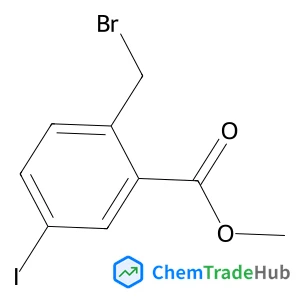
![N-[(1R,2R)-2-Amino-1,2-diphenylethyl]-1,1,1-trifluoromethanesulfonamide structure](https://static.chemtradehub.com/structs/852/852212-89-6-5ef9.webp "N-[(1R,2R)-2-Amino-1,2-diphenylethyl]-1,1,1-trifluoromethanesulfonamide structure")