













4-(4-Chloro-2-methoxyphenyl)-3-fluorobenzoic acid
CAS Number:
1261970-23-3
Molecular Formula:
C14H10ClFO3
Thomas Zemb
A microfluidic technique is coupled with X-ray fluorescence in order to investigate the origin of the so-called synergy effect observed in liquid–liquid extraction of rare earth elements (REEs) when special combinations of two extractants – one solvating and one ionic – are used. The setup enables kinetic studies by varying the two phases’ contact time. The results obtained are compared with those obtained using a standard batch extraction method at identical contact time. We then determine variations of free energies of transfer for five rare earth elements present in a solution together with a non-target ion (Fe3+) at different pH. Analysis of the effect of temperature and of surface charge density of the coexisting cations allows separating electrostatic effects from complexation effects. We finally show that all non-linear (synergic) effects are quadratic in mole fraction. This demonstrates that in-plane mixing entropy of the bent extractant film, in the first nanometer around rare earth ions, is the determining term in the synergy effect. Surprisingly, even when the third phase is present, free energies of transfer could still be measured in the dilute phase, which is reported for the first time, to our knowledge. We hence show that the extractive power of the dense third phase is stronger than that of conventional reverse aggregates in equilibrium with excess water.
DOI: 10.1039/D3CC02621C
Claudia Manuela Santos Calado, Diogo Alves Gálico, Muralee Murugesu
DOI: 10.1039/D3CC03658H
Jeffrey S. S. K. Formen, Diandra S. Hassan, Christian Wolf
DOI: 10.1039/D3SC05706B
DOI: 10.1039/D3CC03594H
Yaquan Liang, Evan Wei Long Ng, Ekaterina Sviriaeva, Chenyu Li, Yilin Zhao, Xiao-Lin Zhang, Xue-Wei Liu, Sunny H. Wong, Yuan Qiao
DOI: 10.1039/D3SC05819K
Ping Wang, Yu-Qiao Tong, Shi-Qing Yin, Qian-Jun Gu, Bo Huang, Ai-Xin Zhu
DOI: 10.1039/D3CC04186G
Minakshi Altia, Pazhamalai Anbarasan
DOI: 10.1039/D3CC04144A
Ishani V. Gaidhane, Helen E. Erickson, Prachi Agarwal, Yashpal S. Chhonker, Donald R. Ronning
DOI: 10.1039/D3CC02364H
(5-Sulfamoyl-3-pyridinyl)boronic acid is primarily used in chemical synthesis, p...
Benzyl 2-methyl-2-(methylsulfonyl)-4-pentenoate is typically synthesized via est...
When handling 8-Fluoroquinolin-6-ol (CAS: 209353-22-0), it is important to use p...
1,3-Dibromo-5-(2-methyl-2-propanyl)benzene (CAS: 129316-09-2) is a crystalline c...
Ethyl 7-chloro-4-oxo-1-(1,3-thiazol-2-yl)-1,4-dihydro-1,8-naphthyridine-3-carbox...
When handling Delta-7-Avenasterol (CAS: 23290-26-8), it is important to wear app...
Proper handling involves the use of personal protective equipment such as gloves...
When handling 2-Methyl-2-proanyl 4-[(2-aminophenyl)amino]-1-piperidinecarboxylat...
N-Methyl-4-chlorobenzylamine hydrochloride (CAS: 65542-24-7) is a organic compou...
[2-(Dodecyloxy)ethoxy]acetic acid (CAS: 27306-90-7) is generally considered safe...

Physical Chemistry Chemical Physics (PCCP) is an international journal co-owned by 19 physical chemistry and physics societies from around the world. This journal publishes original, cutting-edge research in physical chemistry, chemical physics and biophysical chemistry. To be suitable for publication in PCCP, articles must include significant innovation and/or insight into physical chemistry; this is the most important criterion that reviewers and Editors will judge against when evaluating submissions. The journal has a broad scope and welcomes contributions spanning experiment, theory, computation and data science. Topical coverage includes spectroscopy, dynamics, kinetics, statistical mechanics, thermodynamics, electrochemistry, catalysis, surface science, quantum mechanics, quantum computing and machine learning. Interdisciplinary research areas such as polymers and soft matter, materials, nanoscience, energy, surfaces/interfaces, and biophysical chemistry are welcomed if they demonstrate significant innovation and/or insight into physical chemistry. Joined experimental/theoretical studies are particularly appreciated when complementary and based on up-to-date approaches.
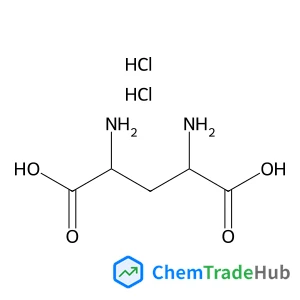
![4,10-Dihydroxy-3H-pyrano[3,4,5-kl]xanthen-3-one structure](https://static.chemtradehub.com/structs/125/1259330-61-4-de48.webp "4,10-Dihydroxy-3H-pyrano[3,4,5-kl]xanthen-3-one structure")
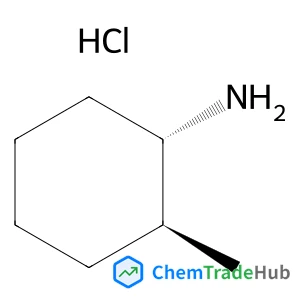
![[3-Fluoro-4-(1-pyrrolidinylcarbonyl)phenyl]boronic acid structure](https://static.chemtradehub.com/structs/874/874289-09-5-e3d4.webp "[3-Fluoro-4-(1-pyrrolidinylcarbonyl)phenyl]boronic acid structure")





