












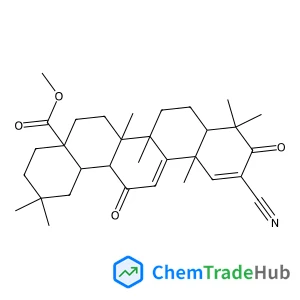
Methyl 2-cyano-3,12-dioxooleana-1,9(11)-dien-28-oate
CAS Number:
218600-53-4
Molecular Formula:
C32H43NO4
Syeda Aaliya Shehzadi, Christophe M. L. Vande Velde, Aamer Saeed, Kourosch Abbaspour Tehrani
A zinc(II) triflate catalyzed three component synthesis of 1,6-dihydropyridines, involving aldimines, alkynes and electron-deficient dimethyl acetylenedicarboxylate (DMAD), in good to excellent yields has been described. Besides a range of different N-substituents, a variety of both aromatic and aliphatic alkynes could be used. The application of electron-deficient propiolates instead of DMAD resulted in regiospecific incorporation of the ester functionality on the 1,6-dihydropyridine ring. The reaction proceeds via a cascade reaction involving nucleophilic addition of the metal acetylide to the imine, followed by the addition of the intermediately formed propargylic amine to the electron-deficient alkyne and subsequent 6-endo dig cyclization.
Frederic De Montigny, Radovan Bast, Andre Severo Pereira Gomes, Guillaume Pilet, Nicolas Vanthuyne, Christian Roussel, Laure Guy, Peter Schwerdtfeger, Trond Saue, Jeanne Crassous
DOI: 10.1039/B925050F
G. Duplâtre
DOI: 10.1039/B911949C
Daniela Polino, Alessandro Barbato, Carlo Cavallotti
DOI: 10.1039/C002221G
Lorna Dougan, John L. Finney, Alan K. Soper
DOI: 10.1039/C003407J
H. Mohammadi-Manesh, Saman Alavi, Tom K. Woo, Mahmud Ashrafizaadeh, Bijan Najafi
DOI: 10.1039/B905233J
Boris B. Averkiev, Alexander I. Boldyrev
DOI: 10.1039/B908973J
Britt-Elfriede Schuster, M. Benedetta Casu, Indro Biswas, Alexander Hinderhofer, Alexander Gerlach, Frank Schreiber, Thomas Chassé
DOI: 10.1039/B912790A
Zeev Luz, Raphy Poupko, Ellen J. Wachtel, Herbert Zimmermann
DOI: 10.1039/B908029P
Iftach Nevo, Lotte Holmegaard, Jens H. Nielsen, Jonas L. Hansen, Frank Filsinger, Gerard Meijer, Jochen Küpper
DOI: 10.1039/B910423B
Waste containing N-Methoxy-N-methyl-1,3-thiazole-5-carboxamide (CAS: 898825-89-3...
N-(4-Biphenylyl)dibenzo[b,d]furan-4-amine should be stored in a tightly sealed c...
The market for 3-Acetamido-5-amino-2,4,6-triiodobenzoic acid (CAS: 1713-07-1) is...
Benzyl 2-O-acetyl-3,4,6-tri-O-benzyl-beta-D-galactopyranoside (CAS: 61820-03-9) ...
2-Ethylpiperazine dihydrochloride (CAS: 438050-52-3) is regulated under the Glob...
1,1'-[1,3-Phenylenebis(methylene)]bis(3-methyl-1H-pyrrole-2,5-dione) (CAS: 11946...
Several alternatives can be used in the synthesis of 5-Fluoro-2-(1-pyrrolidinyl)...
Proper personal protective equipment (PPE) must be worn when handling this compo...
When handling 6-Bromoimidazo[1,2-a]pyridin-8-amine, it is important to wear appr...
Alternatives to (2S,4R)-4-(4-Nitrobenzyl)pyrrolidine-2-carboxylic acid hydrochlo...

Organic & Biomolecular Chemistry (OBC) publishes original and high impact research and reviews in organic chemistry. We welcome research that shows new or significantly improved protocols or methodologies in total synthesis, synthetic methodology or physical and theoretical organic chemistry as well as research that shows a significant advance in the organic chemistry or molecular design aspects of chemical biology, catalysis, supramolecular and macromolecular chemistry, theoretical chemistry, mechanism-oriented physical organic chemistry, medicinal chemistry or natural products. Articles published in the journal should report new work which makes a highly-significant impact in the field. Routine and incremental work is generally not suitable for publication in the journal. More details about key areas of our scope are below. In all cases authors should include in their article clear rationale for why their research has been carried out.
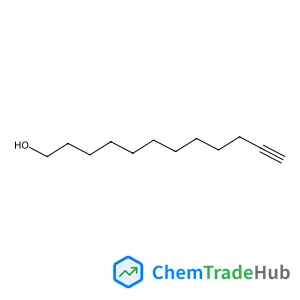
![N-[(Benzyloxy)carbonyl]serine structure](https://static.chemtradehub.com/structs/276/2768-56-1-77f7.webp "N-[(Benzyloxy)carbonyl]serine structure")
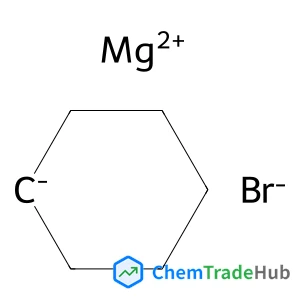
![1-Naphthalenesulfonic acid, 2-[(2-hydroxy-1-naphthalenyl)azo]-, bariumsalt (2:1) structure](https://static.chemtradehub.com/structs/110/1103-38-4-0b33.webp "1-Naphthalenesulfonic acid, 2-[(2-hydroxy-1-naphthalenyl)azo]-, bariumsalt (2:1) structure")





