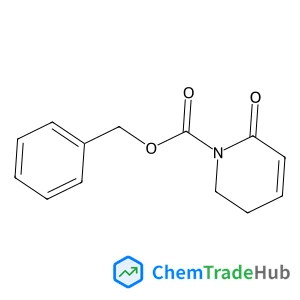
![1-(1-Benzyl-1,2,3,6-tetrahydropyridin-4-yl)-1H-benzo[d]imidazol-2(3H)-one structure](https://static.chemtradehub.com/structs/603/60373-71-9-7dfb.webp "1-(1-Benzyl-1,2,3,6-tetrahydropyridin-4-yl)-1H-benzo[d]imidazol-2(3H)-one structure")
1-(1-Benzyl-1,2,3,6-tetrahydropyridin-4-yl)-1H-benzo[d]imidazol-2(3H)-one
CAS Number:
60373-71-9
Molecular Formula:
C19H19N3O
Michael I. Cotterell, Bernard J. Mason, Thomas C. Preston, Andrew J. Orr-Ewing, Jonathan P. Reid
A new experiment is presented for the measurement of single aerosol particle extinction efficiencies, Qext, combining cavity ring-down spectroscopy (CRDS, λ = 405 nm) with a Bessel beam trap (λ = 532 nm) in tandem with phase function (PF) measurements. This approach allows direct measurements of the changing optical cross sections of individual aerosol particles over indefinite time-frames facilitating some of the most comprehensive measurements of the optical properties of aerosol particles so far made. Using volatile 1,2,6-hexanetriol droplets, Qext is measured over a continuous radius range with the measured Qext envelope well described by fitted cavity standing wave (CSW) Mie simulations. These fits allow the refractive index at 405 nm to be determined. Measurements are also presented of Qext variation with RH for two hygroscopic aqueous inorganic systems ((NH4)2SO4 and NaNO3). For the PF and the CSW Mie simulations, the refractive index, nλ, is parameterised in terms of the particle radius. The radius and refractive index at 532 nm are determined from PFs, while the refractive index at 405 nm is determined by comparison of the measured Qext to CSW Mie simulations. The refractive indices determined at the shorter wavelength are larger than at the longer wavelength consistent with the expected dispersion behaviour. The measured values at 405 nm are compared to estimates from volume mixing and molar refraction mixing rules, with the latter giving superior agreement. In addition, the first single-particle Qext measurements for accumulation mode aerosol are presented for droplets with radii as small as ∼300 nm.
Mohammad Rafiee, Dylan J. Abrams, Luana Cardinale, Zachary Goss, Shannon S. Stahl
DOI: 10.1039/D2CS00706A
Yingying Fan, Jinguang Hu, Hyeon Suk Shin, Damien Voiry, Qingye Lu, Jimmy C. Yu
DOI: 10.1039/D2CS00205A
Virender K. Sharma, Xingmao Ma
DOI: 10.1039/D3CS00627A
Tatsuya Higaki, Jake C. Russell, Daniel W. Paley, Xavier Roy, Rongchao Jin
DOI: 10.1039/D3SC02753H
Fang He, Shi-Zhang Qiao
DOI: 10.1039/D3CS00445G
Sean K. Sandstrom, Qiuyao Li, Yiming Sui, Mason Lyons, Chun-Wai Chang, Rui Zhang, Heng Jiang, Mingliang Yu, David Hoang, William F. Stickle, Huolin L. Xin, Zhenxing Feng, Xiulei Ji
DOI: 10.1039/D3SC04545E
Florian Lind, Kirill Markelov, Armido Studer
DOI: 10.1039/D3SC04975B
Javier A. Cabeza, Javier F. Reynes, Pablo García-Álvarez, Rubén García-Soriano
DOI: 10.1039/D3SC90211K
Waste containing 6-Chloro-5-(2'-hydroxy-3'-methoxy-4-biphenylyl)-3-(3-methoxyphe...
(3alpha,5alpha)-3-Hydroxypregnane-11,20-dione is primarily used in the pharmaceu...
The market for 4-Amino-6-chloro-2-pyridinecarboxylic acid (CAS: 546141-56-4) is ...
Alternatives to (2-Benzoylethyl)trimethylammonium chloride (CAS: 24472-88-6) in ...
N-[4-Nitro-3-(trifluoromethyl)phenyl]acetamide (CAS: 393-12-4) is generally safe...
Alternative reagents such as other phosphates or similar functional groups can b...
There are alternatives to N,N'-Bis(3-aminopropyl)-1,3-propanediamine (CAS: 4605-...
When handling Aluminium trihexadecanoate, it is important to use appropriate per...
(1,1-Dioxido-3-oxo-1,2-benzothiazol-2(3H)-yl)acetic acid is a chemical compound ...
Several alternatives to 5,5-dimethyloxolan-2-one (CAS: 3123-97-5) can be used in...

Physical Chemistry Chemical Physics (PCCP) is an international journal co-owned by 19 physical chemistry and physics societies from around the world. This journal publishes original, cutting-edge research in physical chemistry, chemical physics and biophysical chemistry. To be suitable for publication in PCCP, articles must include significant innovation and/or insight into physical chemistry; this is the most important criterion that reviewers and Editors will judge against when evaluating submissions. The journal has a broad scope and welcomes contributions spanning experiment, theory, computation and data science. Topical coverage includes spectroscopy, dynamics, kinetics, statistical mechanics, thermodynamics, electrochemistry, catalysis, surface science, quantum mechanics, quantum computing and machine learning. Interdisciplinary research areas such as polymers and soft matter, materials, nanoscience, energy, surfaces/interfaces, and biophysical chemistry are welcomed if they demonstrate significant innovation and/or insight into physical chemistry. Joined experimental/theoretical studies are particularly appreciated when complementary and based on up-to-date approaches.

![1-oxaspiro[4.4]nonan-6-one structure](https://static.chemtradehub.com/structs/134/134179-01-4-e051.webp "1-oxaspiro[4.4]nonan-6-one structure")