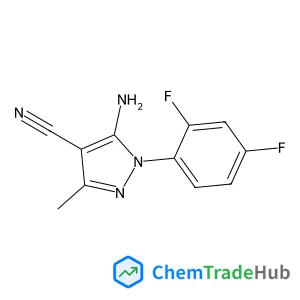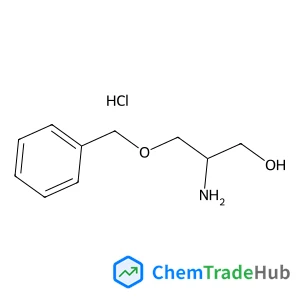
(R)-2-amino-3-(benzyloxy)propan-1-ol hydrochloride
CAS Number:
58577-95-0
Molecular Formula:
C10H16ClNO2
Jussi Lehtola, Mikko Hakala, Juha Vaara, Keijo Hämäläinen
In this paper we present an adaptive algorithm for calculating the isotropic Compton profile (ICP) for any type of Gaussian basis set. The ICP is a measure of the momentum density of electrons and it can be obtained from inelastic X-ray scattering experiments employing synchrotron radiation. We have performed calculations of the ICP for water and helium monomers and dimers using density-functional theory, Hartree–Fock and post-Hartree–Fock methods, with Dunning-type ((d-)aug-)cc-p(C)VXZ basis sets. We have examined the convergence of the Compton profile as a function of the basis set and the level of theory used for the formation of the density matrix. We demonstrate that diffuse basis functions are of utmost importance to the calculation of Compton profiles. Basis sets of at least triple-ζ quality appended by diffuse functions should be used in Compton profile calculations in order to obtain sufficient convergence with regard to the current, experimentally feasible accuracy for systems consisting of light elements.
Daniel T. Allen, Yussif Saaka, Luis Carlos Pardo, M. Jayne Lawrence, Christian D. Lorenz
DOI: 10.1039/C6CP05714D
Seul Ah Kim, Muhammad Awais Abbas, Lanlee Lee, Byungwuk Kang, Hahkjoon Kim
DOI: 10.1039/C6CP04204J
Paulina Sierra-Rosales, Alvaro Muñoz-Castro, José Heráclito Zagal, Fernando Mendizábal
DOI: 10.1039/C6CP06156G
Nongnuch Artrith, Sukit Limpijumnong, Alexie M. Kolpak
DOI: 10.1039/C6CP06031E
Prince Saurabh Bassi, Li Xianglin, Yanan Fang, Joachim Say Chye Loo, Lydia Helena Wong
DOI: 10.1039/C6CP05379C
Nataliia Popovych, Pavlo Kyriienko, Sergiy Soloviev, Yannick Millot, Stanislaw Dzwigaj
DOI: 10.1039/C6CP05263K
Yotaro Shirao, Kei Kubota, Shinichi Komaba
DOI: 10.1039/C6CP05162F
Anja H. Greif, Peter Hrobárik, Jochen Autschbach, Martin Kaupp
DOI: 10.1039/C6CP06129J
Alberto Privitera, Marcello Righetto, Dario Mosconi, Francesca Lorandi, Abdirisak A. Isse, Alessandro Moretto, Renato Bozio, Camilla Ferrante, Lorenzo Franco
DOI: 10.1039/C6CP05981C
DOI: 10.1039/C6CP06416G
Ethyl 4-chlorothieno[2,3-b]pyridine-5-carboxylate (CAS: 59713-58-5) can be synth...
5-Methyl-1H-indole-3-carbaldehyde (CAS: 52562-50-2) is subject to various regula...
(1,3-Dimethyl-2,4-dioxo-1,2,3,4-tetrahydro-5-pyrimidinyl)boronic acid is a white...
Waste containing Sulfocostunolide A (CAS: 1016983-51-9) should be handled with c...
When handling Murraxocin (CAS: 88478-44-8), ensure proper personal protective eq...
Formvar (CAS: 63148-64-1) is an alkyd resin characterized by a high molecular we...
(S)-4-benzyl-2-((benzyloxy)methyl)morpholine is generally safe when handled with...
Methyl 1-(5-bromo-2-pyrimidinyl)cyclopropanecarboxylate (CAS: 1447607-69-3) is p...
2-Methyl-1-phenyl-1-propanamine hydrochloride (CAS: 24290-47-9) is generally con...
3-(4-Bromophenyl)-2-methylpropanoic acid is synthesized through a multi-step pro...

Physical Chemistry Chemical Physics (PCCP) is an international journal co-owned by 19 physical chemistry and physics societies from around the world. This journal publishes original, cutting-edge research in physical chemistry, chemical physics and biophysical chemistry. To be suitable for publication in PCCP, articles must include significant innovation and/or insight into physical chemistry; this is the most important criterion that reviewers and Editors will judge against when evaluating submissions. The journal has a broad scope and welcomes contributions spanning experiment, theory, computation and data science. Topical coverage includes spectroscopy, dynamics, kinetics, statistical mechanics, thermodynamics, electrochemistry, catalysis, surface science, quantum mechanics, quantum computing and machine learning. Interdisciplinary research areas such as polymers and soft matter, materials, nanoscience, energy, surfaces/interfaces, and biophysical chemistry are welcomed if they demonstrate significant innovation and/or insight into physical chemistry. Joined experimental/theoretical studies are particularly appreciated when complementary and based on up-to-date approaches.
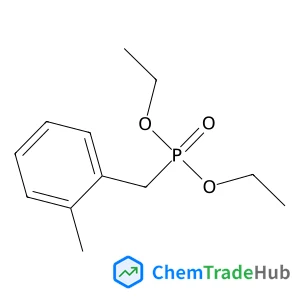
![9H-Fluoren-9-ylmethyl [(2S)-1-hydroxy-3-(1H-indol-3-yl)-2-propanyl]carbamate structure](https://static.chemtradehub.com/structs/153/153815-60-2-a67d.webp "9H-Fluoren-9-ylmethyl [(2S)-1-hydroxy-3-(1H-indol-3-yl)-2-propanyl]carbamate structure")