



(3beta,7beta,12beta)-3,7,12-Trihydroxy-11,15,23-trioxolanost-8-en-26-oic acid
CAS Number:
98665-22-6
Molecular Formula:
C30H44O8
José Alejandro Heredia-Guerrero, Miguel Angel San-Miguel, Mark S. P. Sansom, Antonio Heredia, José Jesús Benítez
Aleuritic (9,10,16-trihydroxypalmitic) acid self-assembly on mica from solution has been studied using AFM, ATR-FTIR and MD simulations. The goal of this study is to define the role of hydroxyl groups in the interaction between molecules as reference data to understand the mechanism of formation of synthetic and natural biopolyesters from polyhydroxylated long chain carboxylic acids. In a confined structure, such as the one imposed by a vertically self-assembled layer on mica, aleuritic acid has a tendency to adopt a monolayer configuration ruled by the lateral interactions between molecules via the two secondary hydroxyl groups. This (2D) growth competes with the multilayer formation (3D), which is conditioned by the terminal primary hydroxyl group. As the self-assembly spatial constraint is relaxed, MD has shown that the structure tends to become an amorphous and crosslinked phase that can be characterized by topographic and friction force AFM data.

Organic Preparations and Procedures International

Journal of Organometallic Chemistry

Helvetica Chimica Acta

Proceedings of the National Academy of Sciences of the United States of America

Israel Journal of Chemistry

Journal of Medicinal Chemistry

Journal of Catalysis

European Journal of Wood and Wood Products

Journal of Physics and Chemistry of Solids

Fibre Chemistry
Haiying He, Yesukhei Jagvaral
DOI: 10.1039/C7CP00915A
Clem Stross, Simon McIntosh-Smith, Edward G. Hohenstein, Fred R. Manby
DOI: 10.1039/C7CP00492C
Chun Du, Jun Wang, Xiao Liu, Jie Yang, Kun Cao, Yanwei Wen
DOI: 10.1039/C7CP01588G
Jorge A. Carrazana-García, Enrique M. Cabaleiro-Lago, Jesús Rodríguez-Otero
DOI: 10.1039/C7CP01491K
Boris Le Guennic, Giovanni Scalmani, Michael J. Frisch, Adèle D. Laurent
DOI: 10.1039/C7CP01190C
Hong-Yu Fu, Ning Xu, Yi-Min Pan, Xiao-Lin Lu, Min Xia
DOI: 10.1039/C7CP01281K
DOI: 10.1039/C7CP01455D
Xue Jiao, Eden E. L. Tanner, Stanislav V. Sokolov, Robert G. Palgrave, Neil P. Young, Richard G. Compton
DOI: 10.1039/C7CP01737E
Yujie Bai, Qinfang Zhang, Gaixia Luo, Yali Bu, Lei Zhu, Lele Fan, Baolin Wang
DOI: 10.1039/C7CP01627A
Waste containing N-Methoxy-N-methyl-1,3-thiazole-5-carboxamide (CAS: 898825-89-3...
N-(4-Biphenylyl)dibenzo[b,d]furan-4-amine should be stored in a tightly sealed c...
The market for 3-Acetamido-5-amino-2,4,6-triiodobenzoic acid (CAS: 1713-07-1) is...
Benzyl 2-O-acetyl-3,4,6-tri-O-benzyl-beta-D-galactopyranoside (CAS: 61820-03-9) ...
2-Ethylpiperazine dihydrochloride (CAS: 438050-52-3) is regulated under the Glob...
1,1'-[1,3-Phenylenebis(methylene)]bis(3-methyl-1H-pyrrole-2,5-dione) (CAS: 11946...
Several alternatives can be used in the synthesis of 5-Fluoro-2-(1-pyrrolidinyl)...
Proper personal protective equipment (PPE) must be worn when handling this compo...
When handling 6-Bromoimidazo[1,2-a]pyridin-8-amine, it is important to wear appr...
Alternatives to (2S,4R)-4-(4-Nitrobenzyl)pyrrolidine-2-carboxylic acid hydrochlo...

Physical Chemistry Chemical Physics (PCCP) is an international journal co-owned by 19 physical chemistry and physics societies from around the world. This journal publishes original, cutting-edge research in physical chemistry, chemical physics and biophysical chemistry. To be suitable for publication in PCCP, articles must include significant innovation and/or insight into physical chemistry; this is the most important criterion that reviewers and Editors will judge against when evaluating submissions. The journal has a broad scope and welcomes contributions spanning experiment, theory, computation and data science. Topical coverage includes spectroscopy, dynamics, kinetics, statistical mechanics, thermodynamics, electrochemistry, catalysis, surface science, quantum mechanics, quantum computing and machine learning. Interdisciplinary research areas such as polymers and soft matter, materials, nanoscience, energy, surfaces/interfaces, and biophysical chemistry are welcomed if they demonstrate significant innovation and/or insight into physical chemistry. Joined experimental/theoretical studies are particularly appreciated when complementary and based on up-to-date approaches.

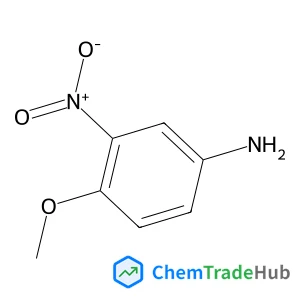
![5-Acetyl-2,3-dihydrobenzo[b]furan structure](https://static.chemtradehub.com/structs/908/90843-31-5-eea4.webp "5-Acetyl-2,3-dihydrobenzo[b]furan structure")
![4-{2-[4-(2-Methyl-2-propanyl)phenyl]ethoxy}quinazoline structure](https://static.chemtradehub.com/structs/120/120928-09-8-d3db.webp "4-{2-[4-(2-Methyl-2-propanyl)phenyl]ethoxy}quinazoline structure")





