![2-Methyl-2-propanyl 1,6-diazaspiro[3.4]octane-6-carboxylate structure](https://static.chemtradehub.com/structs/115/1158749-79-1-81ee.webp "2-Methyl-2-propanyl 1,6-diazaspiro[3.4]octane-6-carboxylate structure")
2-Methyl-2-propanyl 1,6-diazaspiro[3.4]octane-6-carboxylate
CAS Number:
1158749-79-1
Molecular Formula:
C11H20N2O2
Jana Humpolíčková, Aleš Benda, Radek Macháň, Jörg Enderlein, Martin Hof
Fluorescence microscopy has become one of the most rapidly developing observation techniques in the field of molecular biology, since its high sensitivity, contrast and labeling specificity together with being non-invasive fulfill the most important requirements of live cell imaging. The biggest limitation of the technique seems to be the spatial resolution which is, based on Abbe's diffraction law, restricted to some hundreds of nanometres. Recently, various approaches have been developed that overcome the limit imposed by the diffraction barrier and these methods currently lead the development in the field of fluorescence microscopy. In this contribution, we present dynamic saturation optical microscopy (DSOM)—a new technique that monitors the temporal decay of the excited singlet state due to a dark state formation. By mapping the intensity dependent decay kinetics, enhanced resolution images can be obtained. Generally, any dark state of fluorescent molecules can be employed in DSOM. Here, we focus our attention on triplet state formation.
Zhun Liu, Ru-Zhi Wang, Peter Zapol
DOI: 10.1039/C6CP04479D
Petr Jeřábek, Jan Florián
DOI: 10.1039/C6CP03692A
Jonas Nyman, Graeme M. Day
DOI: 10.1039/C6CP05447A
Ross J. Ellis, Mrinal K. Bera, Benjamin Reinhart, Mark R. Antonio
DOI: 10.1039/C6CP06528G
Anand Narayanan Krishnamoorthy, Johannes Zeman, Christian Holm, Jens Smiatek
DOI: 10.1039/C6CP05909K
Leon Jacobse, Stefan J. Raaijman, Marc T. M. Koper
DOI: 10.1039/C6CP05361K
Wissam A. Saidi
DOI: 10.1039/C6CP04769F
Liujiang Zhou, Thomas Frauenheim, Li-Ming Wu
DOI: 10.1039/C6CP06332B
Mikhail N. Uvarov, Edward J. Reijerse
DOI: 10.1039/C6CP05389K
Carlos Cabezas, Carmen Barrientos, Antonio Largo, Jean-Claude Guillemin, J. L. Alonso
DOI: 10.1039/C6CP04474C
Ethyl 4-chlorothieno[2,3-b]pyridine-5-carboxylate (CAS: 59713-58-5) can be synth...
5-Methyl-1H-indole-3-carbaldehyde (CAS: 52562-50-2) is subject to various regula...
(1,3-Dimethyl-2,4-dioxo-1,2,3,4-tetrahydro-5-pyrimidinyl)boronic acid is a white...
Waste containing Sulfocostunolide A (CAS: 1016983-51-9) should be handled with c...
When handling Murraxocin (CAS: 88478-44-8), ensure proper personal protective eq...
Formvar (CAS: 63148-64-1) is an alkyd resin characterized by a high molecular we...
(S)-4-benzyl-2-((benzyloxy)methyl)morpholine is generally safe when handled with...
Methyl 1-(5-bromo-2-pyrimidinyl)cyclopropanecarboxylate (CAS: 1447607-69-3) is p...
2-Methyl-1-phenyl-1-propanamine hydrochloride (CAS: 24290-47-9) is generally con...
3-(4-Bromophenyl)-2-methylpropanoic acid is synthesized through a multi-step pro...

Physical Chemistry Chemical Physics (PCCP) is an international journal co-owned by 19 physical chemistry and physics societies from around the world. This journal publishes original, cutting-edge research in physical chemistry, chemical physics and biophysical chemistry. To be suitable for publication in PCCP, articles must include significant innovation and/or insight into physical chemistry; this is the most important criterion that reviewers and Editors will judge against when evaluating submissions. The journal has a broad scope and welcomes contributions spanning experiment, theory, computation and data science. Topical coverage includes spectroscopy, dynamics, kinetics, statistical mechanics, thermodynamics, electrochemistry, catalysis, surface science, quantum mechanics, quantum computing and machine learning. Interdisciplinary research areas such as polymers and soft matter, materials, nanoscience, energy, surfaces/interfaces, and biophysical chemistry are welcomed if they demonstrate significant innovation and/or insight into physical chemistry. Joined experimental/theoretical studies are particularly appreciated when complementary and based on up-to-date approaches.
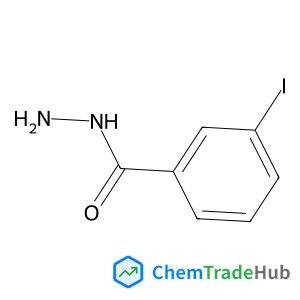
![2-(Methylsulfonyl)-2,4,5,6-tetrahydropyrrolo[3,4-c]pyrazole structure](https://static.chemtradehub.com/structs/122/1226781-80-1-09d5.webp "2-(Methylsulfonyl)-2,4,5,6-tetrahydropyrrolo[3,4-c]pyrazole structure")