












N,N-dimethyl(piperidin-4-yl)methanamine hydrochloride
CAS Number:
172281-72-0
Molecular Formula:
C8H20Cl2N2
Bas Hofs, Ilja K. Voets, Arie de Keizer, Martien A. Cohen Stuart
With light scattering titrations, we show that complex coacervate core micelles (C3Ms) form from a diblock copolymer with a polyelectrolyte block and either an oppositely charged polyelectrolyte, a diblock copolymer with an oppositely charged polyelectrolyte or a mixture of the two. The effect of added salt and pH on both types of C3Ms is investigated. The hydrodynamic radius of mixed C3Ms can be controlled by varying the percentage of oppositely charged polyelectrolyte or diblock copolymer. A simple core-shell model is used to interpret the results from light scattering, giving the same trends as the experiments for both the hydrodynamic radii and the relative scattering intensities. Temperature has only a small effect on the C3Ms. Isothermal titration calorimetry shows that the complexation is mainly driven by Coulombic attraction and by the entropy gain due to counterion release.
Tomonori Kawashima, Kei Ohkubo
DOI: 10.1039/C0CP00916D
Beibei Ma, Liduo Wang, Haopeng Dong, Rui Gao, Yi Geng, Yifeng Zhu, Yong Qiu
DOI: 10.1039/C0CP02415E
Albert F. Carley, David J. Morgan, Nianxue Song, M. Wyn Roberts, Stuart H. Taylor, Jonathan K. Bartley, David J. Willock, Kara L. Howard, Graham J. Hutchings
DOI: 10.1039/C0CP01852J
Liliana de Campo, Trond Varslot, Minoo J. Moghaddam, Jacob J. K. Kirkensgaard, Kell Mortensen, Stephen T. Hyde
DOI: 10.1039/C0CP01201G
Adrien Poissier, Sriram Ganeshan, M. V. Fernández-Serra
DOI: 10.1039/C0CP00994F
Shanthi Murali, Daniel R. Dreyer, Patricia Valle-Vigón, Meryl D. Stoller, Yanwu Zhu, Cornelio Morales, Antonio B. Fuertes, Christopher W. Bielawski, Rodney S. Ruoff
DOI: 10.1039/C0CP02557G
Bingbing Suo, Daiqian Xie, Yibo Lei, Yubin Wang
DOI: 10.1039/C0CP01300E
Guo-Rue Hu, Chen-Sheng Chao, Hong-Wan Shiu, Cheng-Ting Wang, Won-Ru Lin, Yao-Jane Hsu, Meng-Fan Luo
DOI: 10.1039/C0CP00526F
Mitsuhiko Miyazaki, Akihiro Takeda, Shun-ichi Ishiuchi, Makoto Sakai, Otto Dopfer, Masaaki Fujii
DOI: 10.1039/C0CP01961E
Ferdi Schüth
DOI: 10.1039/C1CP90005F
Ethyl 4-chlorothieno[2,3-b]pyridine-5-carboxylate (CAS: 59713-58-5) can be synth...
5-Methyl-1H-indole-3-carbaldehyde (CAS: 52562-50-2) is subject to various regula...
(1,3-Dimethyl-2,4-dioxo-1,2,3,4-tetrahydro-5-pyrimidinyl)boronic acid is a white...
Waste containing Sulfocostunolide A (CAS: 1016983-51-9) should be handled with c...
When handling Murraxocin (CAS: 88478-44-8), ensure proper personal protective eq...
Formvar (CAS: 63148-64-1) is an alkyd resin characterized by a high molecular we...
(S)-4-benzyl-2-((benzyloxy)methyl)morpholine is generally safe when handled with...
Methyl 1-(5-bromo-2-pyrimidinyl)cyclopropanecarboxylate (CAS: 1447607-69-3) is p...
2-Methyl-1-phenyl-1-propanamine hydrochloride (CAS: 24290-47-9) is generally con...
3-(4-Bromophenyl)-2-methylpropanoic acid is synthesized through a multi-step pro...

Physical Chemistry Chemical Physics (PCCP) is an international journal co-owned by 19 physical chemistry and physics societies from around the world. This journal publishes original, cutting-edge research in physical chemistry, chemical physics and biophysical chemistry. To be suitable for publication in PCCP, articles must include significant innovation and/or insight into physical chemistry; this is the most important criterion that reviewers and Editors will judge against when evaluating submissions. The journal has a broad scope and welcomes contributions spanning experiment, theory, computation and data science. Topical coverage includes spectroscopy, dynamics, kinetics, statistical mechanics, thermodynamics, electrochemistry, catalysis, surface science, quantum mechanics, quantum computing and machine learning. Interdisciplinary research areas such as polymers and soft matter, materials, nanoscience, energy, surfaces/interfaces, and biophysical chemistry are welcomed if they demonstrate significant innovation and/or insight into physical chemistry. Joined experimental/theoretical studies are particularly appreciated when complementary and based on up-to-date approaches.
![Imidazo[1,5-a]pyrazine structure](https://static.chemtradehub.com/structs/274/274-49-7-d749.webp "Imidazo[1,5-a]pyrazine structure")
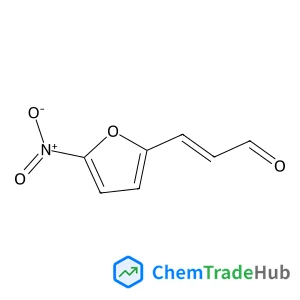
![4-{1-[4-(4,4,5,5-Tetramethyl-1,3,2-dioxaborolan-2-yl)phenyl]cyclopropyl}morpholine structure](https://static.chemtradehub.com/structs/120/1206594-08-2-7afb.webp "4-{1-[4-(4,4,5,5-Tetramethyl-1,3,2-dioxaborolan-2-yl)phenyl]cyclopropyl}morpholine structure")






