












![2,9-Dichloro-5,12-dihydroquinolino[2,3-b]acridine-7,14-dione structure](https://static.chemtradehub.com/structs/308/3089-17-6-750b.webp "2,9-Dichloro-5,12-dihydroquinolino[2,3-b]acridine-7,14-dione structure")
2,9-Dichloro-5,12-dihydroquinolino[2,3-b]acridine-7,14-dione
CAS Number:
3089-17-6
Molecular Formula:
C20H10Cl2N2O2
Yoshikazu Miyake, Toshimi Yumoto, Hajime Kitamura, Taichi Sugimoto
Spherical mesoporous silica was prepared by dispersing tetrabutoxysilane (TBOS) in an alkaline solution into which a cationic surfactant had been dissolved. The spherical mesoporous silica was prepared within the limited concentration regions of the surfactant. The diameter of the spherical mesoporous silica was about 500 μm, and the BET specific surface area was above 1000 m2 g−1. Within the as-synthesized spherical mesoporous silica, phenol and some organic compounds in aqueous phase were solubilized into the hydrophobic free space consisting of the hydrocarbon group of surfactants. The extent of solubilization was correlated with equilibrium concentration in aqueous phase by a Langmuir-type equation. The maximum solubilization for phenol was proportional to the BET specific surface area of the calcined spherical mesoporous silica. For some organic compounds maximum solubilization was directly proportional to a hydrophobic index of the organic compound, log (POW), where POW is the distribution coefficient between the octanol and water phases.
Anita Hu, Audithya Nyayachavadi, Max Weires, Garima Garg, Sihong Wang, Simon Rondeau-Gagné
DOI: 10.1039/D3LP00104K
Siddharth Bari
DOI: 10.1039/D3VA00186E
Zongwei Cai, Célia M. Manaia
DOI: 10.1039/D3VA90043F
Greta Biale, Lorenzo Fiorentini, Diego Carnaroglio, Marco Mattonai
DOI: 10.1039/D3VA00216K
Hyunki Yeo, Suman Debnath, Baiju P. Krishnan
DOI: 10.1039/D3LP00213F
Ke Zhang, Bin Li
DOI: 10.1039/D3EY00208J
Daniel W. Weller, Robert Halbach, Alexander V. Zabula, Sarah J. Mattler, Xiaodan Gu, Carlos R. López-Barrón
DOI: 10.1039/D3LP00076A
Waste containing (6-Bromo-2-naphthyl)oxy](dimethyl)(2-methyl-2-propanyl)silane (...
7-Fluoro-4-isoquinolinecarboxylic acid can be synthesized via a multi-step proce...
2,3,5,6-Tetrabromothieno[3,2-b]thiophene is a crystalline compound with a high m...
1-[4-(Benzylamino)-7,8-dihydro-5H-pyrano[4,3-d]pyrimidin-2-yl]-2-methyl-1H-indol...
The market for imidazo[5,1-d]-1,2,3,5-tetrazine-8-carboxylic acid, 3,4-dihydro-3...
3-(Triisopropylsilyl)propiolaldehyde is a synthetic organic compound with the CA...
6-Nitro-2H-1,4-benzoxazin-3(4H)-one (CAS: 81721-87-1) is subject to various regu...
Waste containing (3-Fluorophenyl)(4-{[(2-methyl-2-propanyl)oxy]carbonyl}-1-piper...
N,N'-4,4'-Biphenyldiyldiisonicotinamide is a white crystalline solid with a mole...
6-Bromo-8-fluoro-2-quinazolinol is primarily used in the pharmaceutical industry...

Physical Chemistry Chemical Physics (PCCP) is an international journal co-owned by 19 physical chemistry and physics societies from around the world. This journal publishes original, cutting-edge research in physical chemistry, chemical physics and biophysical chemistry. To be suitable for publication in PCCP, articles must include significant innovation and/or insight into physical chemistry; this is the most important criterion that reviewers and Editors will judge against when evaluating submissions. The journal has a broad scope and welcomes contributions spanning experiment, theory, computation and data science. Topical coverage includes spectroscopy, dynamics, kinetics, statistical mechanics, thermodynamics, electrochemistry, catalysis, surface science, quantum mechanics, quantum computing and machine learning. Interdisciplinary research areas such as polymers and soft matter, materials, nanoscience, energy, surfaces/interfaces, and biophysical chemistry are welcomed if they demonstrate significant innovation and/or insight into physical chemistry. Joined experimental/theoretical studies are particularly appreciated when complementary and based on up-to-date approaches.
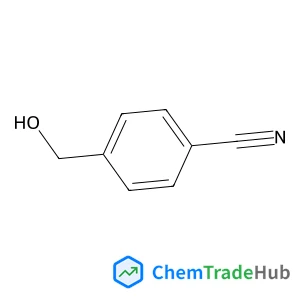
![N-[(E)-Phenylmethylene]benzenesulfonamide structure](https://static.chemtradehub.com/structs/139/13909-34-7-8167.webp "N-[(E)-Phenylmethylene]benzenesulfonamide structure")
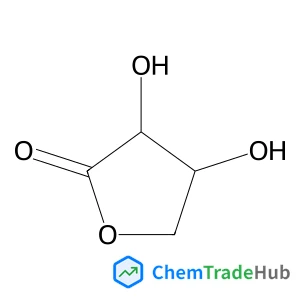
![(2S)-2-({[(2-Methyl-2-propanyl)oxy]carbonyl}amino)-4-pentynoic acid structure](https://static.chemtradehub.com/structs/630/63039-48-5-b66d.webp "(2S)-2-({[(2-Methyl-2-propanyl)oxy]carbonyl}amino)-4-pentynoic acid structure")






