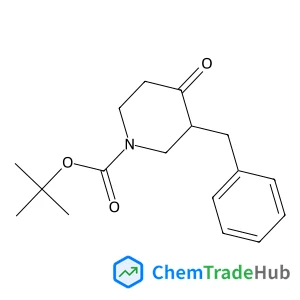
2-Methyl-2-propanyl 3-benzyl-4-oxo-1-piperidinecarboxylate
CAS Number:
193274-82-7
Molecular Formula:
C17H23NO3
First collision yields of ionization and dissociation in liquid water, due to incident electrons of energy 500 eV to 1 MeV, have been calculated in the optical approximation by using the experimental dipole oscillator strength distribution (DOSD) and the recently determined photoionization and photodissociation quantum efficiencies in the far UV. From these the G value of ionization for the complete absorption of these radiations is estimated employing a heuristic method based on energy balance. It is found that ca. 25% of total ionization and <5% of total dissociation originate from primary interactions alone; the rest are due to the action of the secondary electrons. Incorporation of dissociative electron attachment (DEA) is necessary to account for the total radiolytic dissociation yield. A new definition of ionization potential in liquid water is provided depending on the mechanism and a tentative value of 11.7 eV is assigned to it.

Current Opinion in Colloid & Interface Science

Crystallography Reports

Russian Journal of Applied Chemistry

Journal of Natural Medicines

Russian Journal of Bioorganic Chemistry

Current Opinion in Solid State & Materials Science

Chemical Communications

Chemistry Education Research and Practice

Russian Journal of Coordination Chemistry

Russian Journal of General Chemistry
Roderick W. Bates, Weiting Ko, Viktor Barát
DOI: 10.1039/C9OB02388G
Anuradha Dagar, Yohan Seo, Ikyon Kim
DOI: 10.1039/D0OB00444H
Jiang Liu, Romana Pajkert, Gerd-Volker Röschenthaler, Jianlin Han
DOI: 10.1039/D0OB00720J
Jianzhuang Miao, Yi-Xuan Zheng, Shi-Chao Lu, Shi-Peng Zhang, Ya-Ling Gong, Shu Xu
DOI: 10.1039/D0OB00160K
Xinjie Wu, Ming Jia, Mengmeng Huang, Jung Keun Kim, Zheng Zhao, Junkai Liu, Jinhu Xi, Yabo Li, Yangjie Wu
DOI: 10.1039/D0OB00479K
Songtao Cai, Chang Liu, Xiaojie Jiao, Song He, Liancheng Zhao
DOI: 10.1039/C9OB02188D
Luis R. Domingo, Patricia Pérez
DOI: 10.1039/C9OB02467K
Yue Qi, Fang Zhang, Lin Wang, Aili Feng, Rongxiu Zhu, Shutao Sun, Wei Li, Lei Liu
DOI: 10.1039/D0OB00551G
Santanu Jana, Suvarn S. Kulkarni
DOI: 10.1039/D0OB00041H
Amal Bouraoui, Rosy Ghanem, Mathieu Berchel, Laure Deschamps, Véronique Vié, Gilles Paboeuf, Tony Le Gall, Tristan Montier, Paul-Alain Jaffrès
DOI: 10.1039/C9OB02381J
6-Bromo-2-methylimidazo[1,2-a]pyrimidine (CAS: 1111638-05-1) falls under various...
While there are no direct alternatives, similar compounds like 1-Pyrrolidineetha...
4-Methyl-2,6-bis(2-methyl-2-propanyl)phenyl methylcarbamate (CAS: 1918-11-2) is ...
2-(3-Bromo-4-fluorophenyl)-1,3-dioxolane (CAS: 77771-04-1) should be stored in a...
4,5,6,7-Tetrahydro-1H-indazole hydrochloride is a white crystalline solid with a...
(2R)-1-Methoxy-3-phenyl-2-propanamine is a chiral organic compound with the CAS ...
Ethyl 1-(1-phenylethyl)-1H-imidazole-5-carboxylate is used in various industries...
4-[(1E,3S)-1-(4-Hydroxyphenyl)-1,4-pentadien-3-yl]phenol (CAS: 17676-24-3) falls...
(S)-3-Amino-5-phenylpentanoic acid hydrochloride is primarily used in the pharma...
7-Methoxy-1-benzothiophene-2-carboxylic acid is typically synthesized by reactin...

Physical Chemistry Chemical Physics (PCCP) is an international journal co-owned by 19 physical chemistry and physics societies from around the world. This journal publishes original, cutting-edge research in physical chemistry, chemical physics and biophysical chemistry. To be suitable for publication in PCCP, articles must include significant innovation and/or insight into physical chemistry; this is the most important criterion that reviewers and Editors will judge against when evaluating submissions. The journal has a broad scope and welcomes contributions spanning experiment, theory, computation and data science. Topical coverage includes spectroscopy, dynamics, kinetics, statistical mechanics, thermodynamics, electrochemistry, catalysis, surface science, quantum mechanics, quantum computing and machine learning. Interdisciplinary research areas such as polymers and soft matter, materials, nanoscience, energy, surfaces/interfaces, and biophysical chemistry are welcomed if they demonstrate significant innovation and/or insight into physical chemistry. Joined experimental/theoretical studies are particularly appreciated when complementary and based on up-to-date approaches.
![(3R)-4-(4-Chlorophenyl)-3-({[(2-methyl-2-propanyl)oxy]carbonyl}amino)butanoic acid structure](https://static.chemtradehub.com/structs/218/218608-96-9-f871.webp "(3R)-4-(4-Chlorophenyl)-3-({[(2-methyl-2-propanyl)oxy]carbonyl}amino)butanoic acid structure")
![Benzeneacetic acid, 2-[(2,6-dichlorophenyl)amino]-, compd. with 1-pyrrolidineethanol (1:1) structure](https://static.chemtradehub.com/structs/119/119623-66-4-5301.webp "Benzeneacetic acid, 2-[(2,6-dichlorophenyl)amino]-, compd. with 1-pyrrolidineethanol (1:1) structure")