Compound Q&A
How should waste containing Methyl 5-bromo-2-pyridinecarboxylate (CAS: 29682-15-3) be handled?
Answer
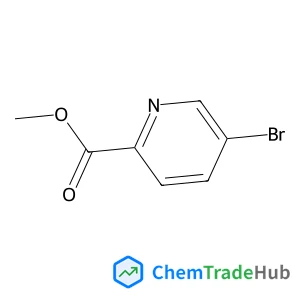
Waste containing Methyl 5-bromo-2-pyridinecarboxylate (CAS: 29682-15-3) should be collected in properly labeled containers and stored in a secure, ventilated area. The waste should be disposed of according to local and national regulations. Incineration or professional waste disposal services are recommended. Environmental protection precautions, including proper cleanup and disposal methods, should be followed to minimize environmental impact.
About
CAS No
29682-15-3
English Name
Methyl 5-bromo-2-pyridinecarboxylate
Molecular Formula
C7H6BrNO2
Molecular Weight
216.03 g/mol
SMILES
COC(=O)C1=NC=C(C=C1)Br
InChIKey
JEURNBCYNWNADN-UHFFFAOYSA-N
Last Updated: 2025-09-08 18:31