



AD
2,5-BIS-(1,1,3,3-TETRAMETHYLBUTYL)-HYDROQUINONE(CAS: 903-19-5)

CAS Number
Related Products
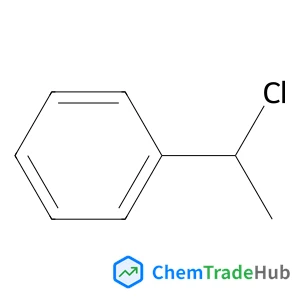
(1-CHLOROETHYL)-BENZENE
CAS Number: 672-65-1

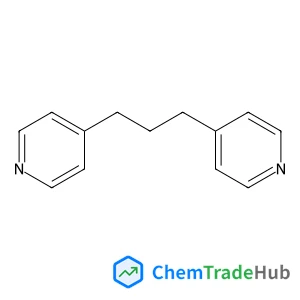
1,3-DI-(4-PYRIDYL)PROPANE
CAS Number: 17252-51-6

1,3-DI-4-PIPERIDINOPROPANE
CAS Number: 16898-52-5

1-DODECENYLSUCCINIC ANHYDRIDE
CAS Number: 19532-92-4
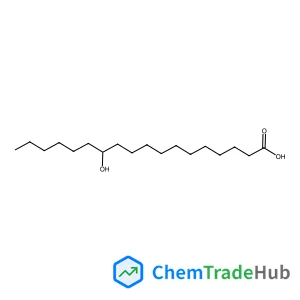
CASID HSA(HYDROXYSTEARIC,ACID)
CAS Number: 106-14-9

12-HYDROXYSTEARIC ACID METHYL ESTER
CAS Number: 141-23-1
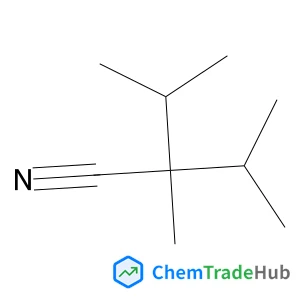
2,2-DIISOPROPYLPROPIONITRILE
CAS Number: 55897-64-8

2,6-DIAMINOPYRIDINE
CAS Number: 141-86-6
Other Suppliers for 2,5-BIS-(1,1,3,3-TETRAMETHYLBUTYL)-HYDROQUINONE






Basic Information
Molecular Formula
C22H38O2
Molecular Weight
334.54 g/mol
Physical Properties
Melting Point
128.0 to 133.0 deg-C
Boiling Point
432.3 °C at 760 mmHg
Density
0.95
Flash Point
181 °C
Chemical Identifiers
SMILES
CC(c1cc(O)c(cc1O)C(CC(C)(C)C)(C)C)(CC(C)(C)C)C
InChIKey
CLDZVCMRASJQFO-UHFFFAOYSA-N
Database References
MDL Number
MFCD00128797
FAQ
2,5-Bis(2,4,4-trimethyl-2-pentanyl)-1,4-benzenediol (CAS: 903-19-5) falls under the Globally Harmonized System (GHS) of Classification and Labelling of Chemicals, with appropriate hazard communication and safety data sheets required. In Europe, it is covered under REACH regulations, requiring registration and inventory reporting. FDA may have specific requirements for its use in pharmaceuticals, while EPA regulations apply to environmental handling and disposal. Compliance with local and regional regulations is also crucial.
Alternatives to 2,5-Bis(2,4,4-trimethyl-2-pentanyl)-1,4-benzenediol include similar aromatic compounds such as 2,5-bis(2,4,4-trimethylpentyl)-1,4-benzenediamine and other substituted benzenediols. Commonly used reagents for synthesis include phenol derivatives and alcohols. However, the choice of alternative depends on the specific application and desired properties.
The market for 2,5-Bis(2,4,4-trimethyl-2-pentanyl)-1,4-benzenediol is driven by its use in advanced polymer synthesis and pharmaceutical applications. Research trends focus on improving synthesis methods, exploring new applications in materials science, and assessing its environmental impact. Price trends are influenced by demand and supply dynamics, with increasing focus on sustainable and eco-friendly alternatives.
Waste containing 2,5-Bis(2,4,4-trimethyl-2-pentanyl)-1,4-benzenediol should be collected in appropriate containers and stored separately. Incineration or professional waste disposal is recommended, following local regulations. Environmental protection measures should include proper labeling, minimizing spillage, and ensuring safe transportation to disposal facilities. Compliance with EPA and local waste management guidelines is essential.
Safety Notice
Please verify product specifications and safety data before use. Contact the supplier for detailed safety information.
Always follow proper handling procedures