



AD
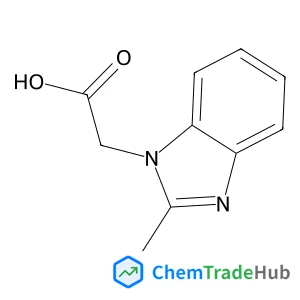
(2-METHYLBENZOIMIDAZOL-1-YL)ACETIC ACID(CAS: 40332-17-0)
CAS Number
Related Products
![2-Oxo-2-[(2S,4S)-2,5,12-trihydroxy-7-methoxy-6,11-dioxo-4-({2,3,6-trideoxy-3-[(trifluoroacetyl)amino]-alpha-L-lyxo-hexopyranosyl}oxy)-1,2,3,4,6,11-hexahydro-2-tetracenyl]ethyl valerate](https://static.chemtradehub.com/structs/561/56124-62-0-a233.webp)
![1-[(3,3-Diphenylpropyl)(methyl)amino]-2-methyl-2-propanol](https://static.chemtradehub.com/structs/100/100442-33-9-24b5.webp)
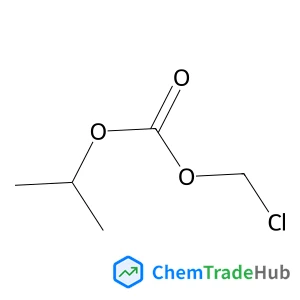
Chloromethyl isopropyl carbonate
CAS Number: 35180-01-9
![4-[2-(3,5-dimethoxyphenyl)ethenyl]phenol](https://static.chemtradehub.com/structs/537/537-42-8-c12f.webp)
4-[2-(3,5-dimethoxyphenyl)ethenyl]phenol
CAS Number: 537-42-8
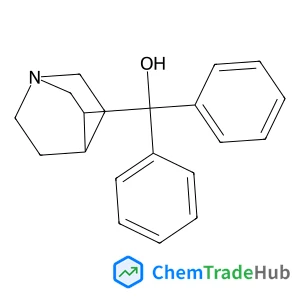
Quifenadine
CAS Number: 10447-39-9
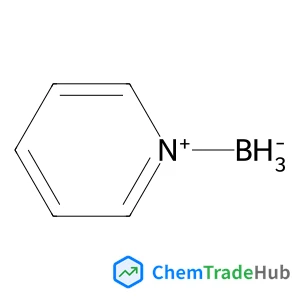
Trihydrido(pyridine)boron
CAS Number: 110-51-0
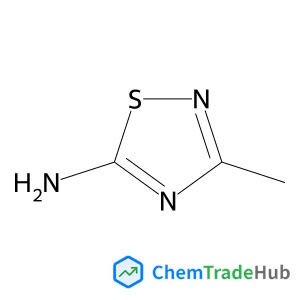
3-Methyl-1,2,4-thiadiazol-5-amine
CAS Number: 17467-35-5
Other Suppliers for (2-METHYLBENZOIMIDAZOL-1-YL)ACETIC ACID






Basic Information
Molecular Formula
C10H10N2O2
Molecular Weight
190.2 g/mol
Physical Properties
Melting Point
254-256 ºC
Chemical Identifiers
SMILES
CC1=NC2=CC=CC=C2N1CC(=O)O
InChIKey
SMGBDFGKVGSCGB-UHFFFAOYSA-N
Database References
MDL Number
MFCD00621731
FAQ
(2-Methyl-1H-benzimidazol-1-yl)acetic acid (CAS: 40332-17-0) is a white crystalline solid with a molecular weight of approximately 217.24 g/mol. It is slightly soluble in water but soluble in organic solvents like ethanol and acetone. Chemically, it shows basic properties due to the presence of a benzimidazole ring and is reactive towards acids and bases. It is stable under normal laboratory conditions but can react with strong oxidizing agents.
(2-Methyl-1H-benzimidazol-1-yl)acetic acid can be synthesized through a multi-step process involving the condensation of 2-methylbenzimidazole with acetic anhydride. The reaction is typically carried out in the presence of a catalyst such as p-toluenesulfonic acid. The yield is around 75-80%, and the product can be purified by recrystallization from ethanol.
(2-Methyl-1H-benzimidazol-1-yl)acetic acid is primarily used in the pharmaceutical industry for the synthesis of various drugs due to its biological activity. It is also utilized in the polymer industry for enhancing the properties of certain polymers and in the sensor industry for developing gas sensors. Additionally, it finds applications in the semiconductor industry as a precursor in the fabrication of electronic materials.
When handling (2-Methyl-1H-benzimidazol-1-yl)acetic acid (CAS: 40332-17-0), it is important to wear appropriate personal protective equipment (PPE) such as gloves, goggles, and a lab coat. Ensure adequate ventilation and perform the work in a fume hood. Spills should be carefully cleaned up using appropriate procedures, and the material safety data sheet (MSDS) should be consulted for detailed guidelines. All waste should be disposed of according to local regulations.
Safety Notice
Please verify product specifications and safety data before use. Contact the supplier for detailed safety information.
Always follow proper handling procedures
Contact Information
Contact Person
William Ma
contact@trustwe.com