



AD
3-AMINO-2-METHYLACROLEIN(CAS: 30989-81-2)
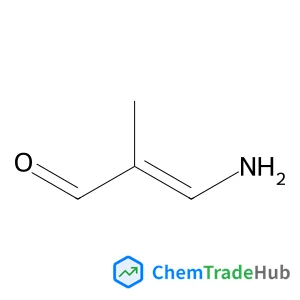
CAS Number
Related Products
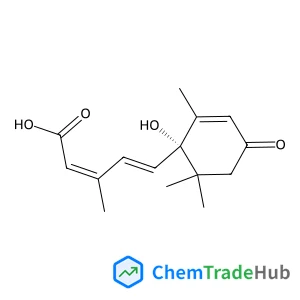
(+)-ABSCISIC ACID
CAS Number: 21293-29-8
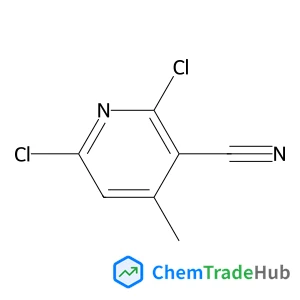
2,6-DICHLORO-4-METHYL NICOTINONITRILE
CAS Number: 875-35-4
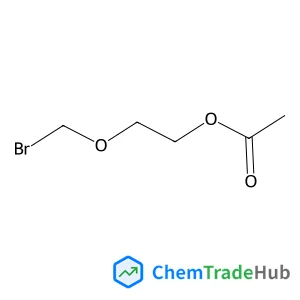
(2-ACETOXYETHOXY) -METHYL BROMIDE
CAS Number: 81777-40-4
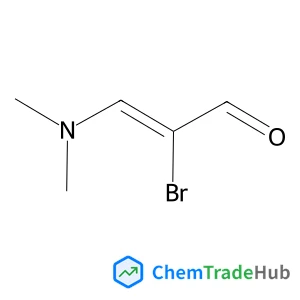
2-BROMO-3-DIMETHYLAMINOACROLEIN
CAS Number: 793660-49-8
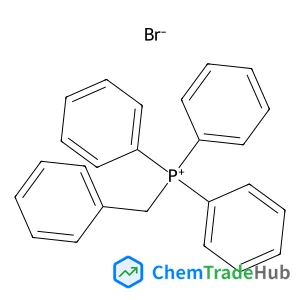
(BENZYL)-TRIPHENYLPHOSPHONIUM BROMIDE
CAS Number: 1449-46-3
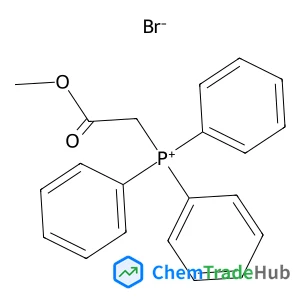
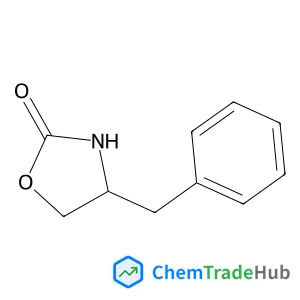
(S)-4-BENZYL-2-OXAZOLIDINONE
CAS Number: 90719-32-7
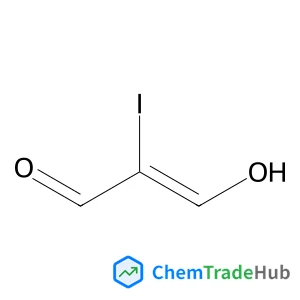
2-IODOMALONALDEHYDE
CAS Number: 29548-74-1
Other Suppliers for 3-AMINO-2-METHYLACROLEIN




Basic Information
Molecular Formula
C4H7NO
Molecular Weight
85.11 g/mol
Physical Properties
Melting Point
101 °C
Chemical Identifiers
SMILES
O=C/C(C)=C/N
InChIKey
OEZAAXHZEMTBOV-DUXPYHPUSA-N
Database References
MDL Number
MFCD01566866
FAQ
The (2E)-3-Amino-2-methylacrylaldehyde (CAS: 30989-81-2) is a colorless liquid with a pungent odor. It has a molecular weight of approximately 128.14 g/mol and a boiling point of 158°C. The compound is soluble in water and ethanol. It is reactive, particularly towards nucleophiles, and can undergo condensation, reduction, and addition reactions.
The (2E)-3-Amino-2-methylacrylaldehyde (CAS: 30989-81-2) can be synthesized through the reductive amination of (2E)-3-methylacrylaldehyde with ammonia. This process involves the use of a reducing agent such as sodium borohydride and a base like sodium hydroxide. The yield is typically around 85%, with good selectivity towards the E-isomer.
The (2E)-3-Amino-2-methylacrylaldehyde (CAS: 30989-81-2) is used in various industries. It is a key intermediate in the synthesis of pharmaceuticals, particularly for the preparation of amino acids and other biologically active compounds. It is also used in the production of polymers, as a component in sensor systems, and in the development of semiconductors.
What precautions should be taken when handling (2E)-3-Amino-2-methylacrylaldehyde (CAS: 30989-81-2)?
When handling (2E)-3-Amino-2-methylacrylaldehyde (CAS: 30989-81-2), it is essential to wear appropriate personal protective equipment (PPE), including gloves, protective goggles, and a lab coat. Work should be conducted in a fume hood to minimize inhalation of fumes. Spills should be handled by neutralizing with an appropriate acid or base before cleanup. Always consult a Safety Data Sheet (SDS) for detailed handling and disposal instructions.
Safety Notice
Please verify product specifications and safety data before use. Contact the supplier for detailed safety information.
Always follow proper handling procedures