



AD
6-Chloro-3,4-dihydro-2(1H)-quinoxalinone(CAS: 89938-22-7)
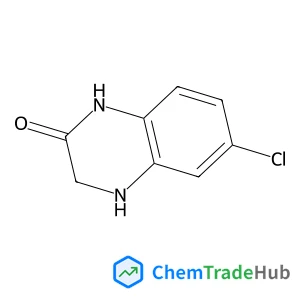
CAS Number
Related Products
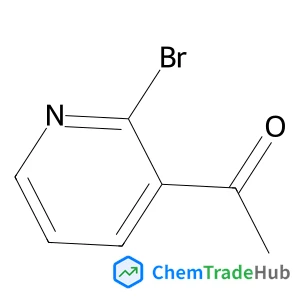
1-(2-Bromo-3-pyridinyl)ethanone
CAS Number: 84199-61-1
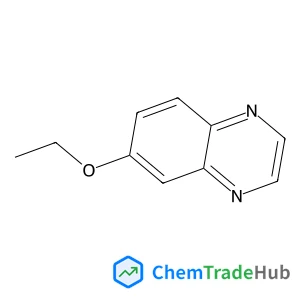
6-Ethoxyquinoxaline
CAS Number: 89770-34-3
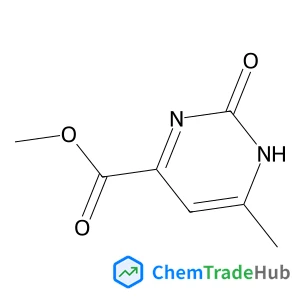
![Ethyl 3-oxo-3-[2-(trifluoromethyl)phenyl]propanoate](https://static.chemtradehub.com/structs/894/89424-17-9-cb9f.webp)
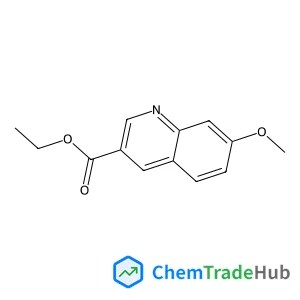
Ethyl 7-methoxy-3-quinolinecarboxylate
CAS Number: 71082-46-7
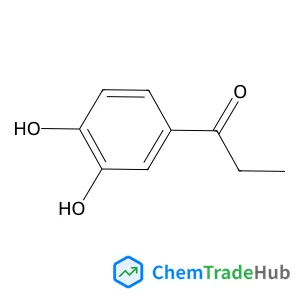
1-(3,4-Dihydroxyphenyl)-1-propanone
CAS Number: 7451-98-1
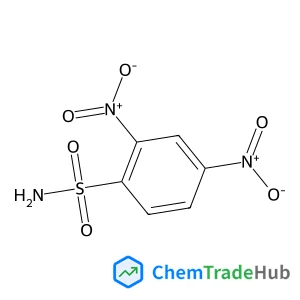
2,4-Dinitrobenzenesulfonamide
CAS Number: 73901-01-6
Other Suppliers for 6-Chloro-3,4-dihydro-2(1H)-quinoxalinone



Basic Information
Molecular Formula
C8H7ClN2O
Molecular Weight
182.61 g/mol
Chemical Identifiers
SMILES
C1C(=O)NC2=C(N1)C=C(C=C2)Cl
InChIKey
WXIXSRNTPHCSPF-UHFFFAOYSA-N
Database References
MDL Number
MFCD11520851
FAQ
6-Chloro-3,4-dihydro-2(1H)-quinoxalinone (CAS: 89938-22-7) falls under the scope of the REACH regulation in the European Union, which requires manufacturers and importers to register their chemicals. Additionally, it should comply with the Globally Harmonized System of Classification and Labelling of Chemicals (GHS) for proper hazard communication. In the United States, the Environmental Protection Agency (EPA) may have specific requirements for handling and disposal. FDA regulations might apply for any pharmaceutical applications.
Alternatives to 6-Chloro-3,4-dihydro-2(1H)-quinoxalinone (CAS: 89938-22-7) include other quinoxalines with different substituents, such as 6-fluoro-3,4-dihydro-2(1H)-quinoxalinone or 6-bromo-3,4-dihydro-2(1H)-quinoxalinone. Common alternative reagents in synthesis include chloroacetic acid or bromoacetic acid, which can be used in the synthesis of related compounds.
What is the market or research trend for 6-Chloro-3,4-dihydro-2(1H)-quinoxalinone (CAS: 89938-22-7)?
The market for 6-Chloro-3,4-dihydro-2(1H)-quinoxalinone (CAS: 89938-22-7) is growing due to its applications in pharmaceuticals and materials science. Research trends include its use as intermediates in drug synthesis and as functional materials in electronics. Market trends show an increasing demand for high-purity compounds, driven by stricter regulatory requirements and advancements in chemical synthesis.
Waste containing 6-Chloro-3,4-dihydro-2(1H)-quinoxalinone (CAS: 89938-22-7) should be collected in appropriate containers and stored separately to prevent contamination. Proper incineration or professional waste disposal services should be used for disposal, as directed by local waste management authorities. Environmental protection precautions include ensuring no direct contact with soil or water, and following all relevant regulations to minimize environmental impact.
Safety Notice
Please verify product specifications and safety data before use. Contact the supplier for detailed safety information.
Always follow proper handling procedures
Contact Information
2723695949@qq.com