



AD
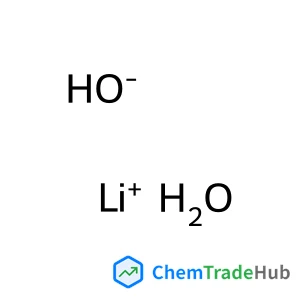
Lithium hydroxide hydrate (1:1:1)(CAS: 1310-66-3)
CAS Number
Related Products
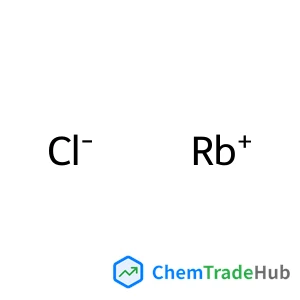
Rubidium chloride
CAS Number: 7791-11-9
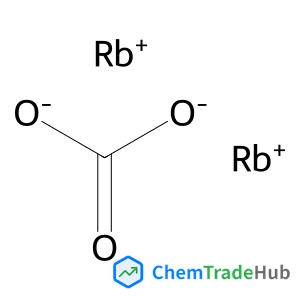
Dirubidium carbonate
CAS Number: 584-09-8
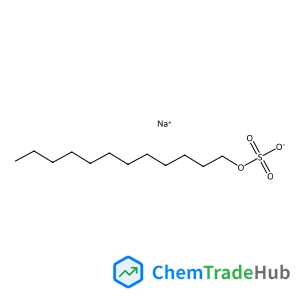
Sodium dodecyl sulfate
CAS Number: 151-21-3
Caesium chloride
CAS Number: 7647-17-8
Caesium hydroxide hydrate (1:1:1)
CAS Number: 35103-79-8
Lithium chloride
CAS Number: 7447-41-8
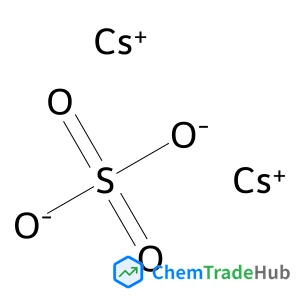
Cesium sulfate
CAS Number: 10294-54-9
Caesium iodide
CAS Number: 7789-17-5
Other Suppliers for Lithium hydroxide hydrate (1:1:1)




Basic Information
Molecular Formula
H3LiO2
Molecular Weight
38.94 g/mol
Physical Properties
Melting Point
462 ºC
Boiling Point
920 ºC
Water Solubility
109 g/L (20 ºC)
Chemical Identifiers
SMILES
[Li+].O.[OH-]
InChIKey
GLXDVVHUTZTUQK-UHFFFAOYSA-M
Database References
MDL Number
MFCD00011095
FAQ
Lithium hydroxide hydrate (1:1:1) is a hydrous form of lithium hydroxide with the chemical formula LiOH·H2O. It appears as a white, crystalline powder and is highly alkaline, soluble in water. This compound is commonly used in chemical processes due to its strong basic properties and ability to neutralize acids, making it relevant in pharmaceuticals, industrial applications, and research.
Lithium hydroxide hydrate (1:1:1) is primarily used in pharmaceuticals for producing lithium salts, in battery manufacturing as a component in lithium-ion cells, and as a desiccant to remove moisture. It also finds applications in the food industry for pH adjustment and in research for organic synthesis. Its versatility in chemical reactions makes it a key compound in various industrial and scientific contexts.
Lithium hydroxide hydrate (1:1:1) is corrosive and can cause skin, eye, and respiratory irritation. Safety precautions include wearing gloves, goggles, and a lab coat, and ensuring proper ventilation. It is classified under safety standards for handling hazardous chemicals, and first aid measures should involve immediate rinsing with water and seeking medical attention for severe exposure.
Lithium hydroxide hydrate (1:1:1) should be stored in airtight, moisture-proof containers in a cool, dry place (ideally below 25°C) away from light. It is hygroscopic and may absorb moisture from the air, so storage conditions must prevent exposure to humidity. Keep it in a sealed container to maintain stability and avoid degradation over time.
Safety Notice
Please verify product specifications and safety data before use. Contact the supplier for detailed safety information.
Always follow proper handling procedures