



AD
4-Bromo-2-methylpyridine hydrochloride (1:1)(CAS: 856834-97-4)
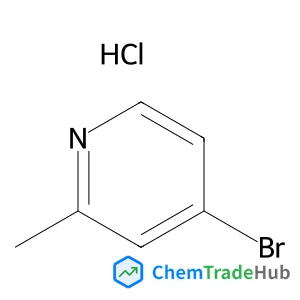
CAS Number
Related Products
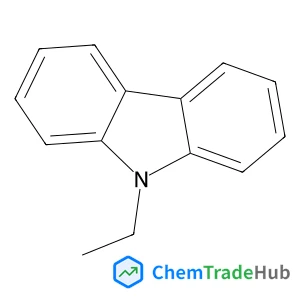
9-Ethyl-9H-carbazole
CAS Number: 86-28-2
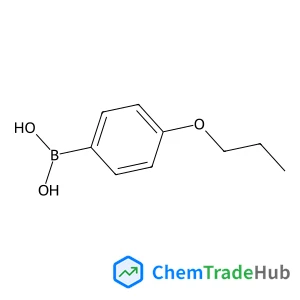
(4-Propoxyphenyl)boronic acid
CAS Number: 186497-67-6

4-Fluoro-3-(trifluoromethyl)aniline
CAS Number: 2357-47-3
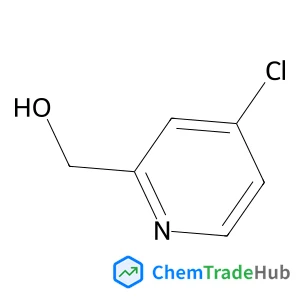
(4-Chloro-2-pyridinyl)methanol
CAS Number: 63071-10-3
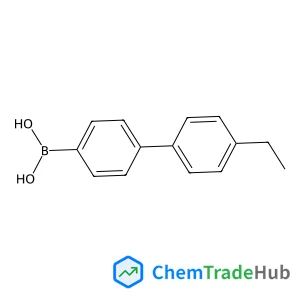
(4'-Ethyl-4-biphenylyl)boronic acid
CAS Number: 153035-62-2
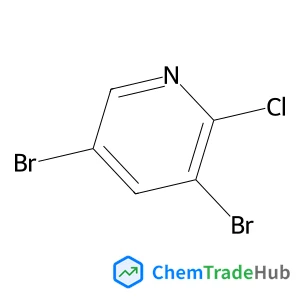
3,5-Dibromo-2-chloropyridine
CAS Number: 40360-47-2
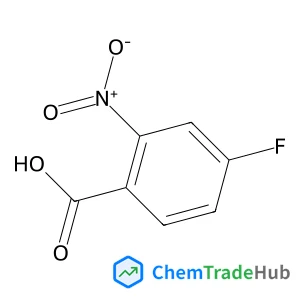
4-Fluoro-2-nitrobenzoic acid
CAS Number: 394-01-4
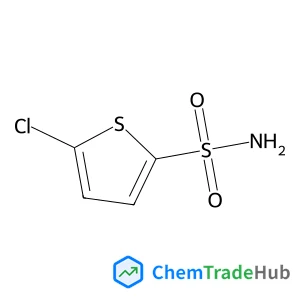
5-Chloro-2-thiophenesulfonamide
CAS Number: 53595-66-7
Other Suppliers for 4-Bromo-2-methylpyridine hydrochloride (1:1)






Basic Information
Molecular Formula
C6H7BrClN
Molecular Weight
208.49 g/mol
Chemical Identifiers
SMILES
CC1=NC=CC(=C1)Br.Cl
InChIKey
KSDPKTQFQCXYNU-UHFFFAOYSA-N
Database References
MDL Number
MFCD04112529
FAQ
4-Bromo-2-methylpyridine hydrochloride (CAS: 856834-97-4) has a crystalline form and a molecular weight of approximately 244.01 g/mol. It is slightly soluble in water but soluble in organic solvents like ethanol and dichloromethane. Chemically, it is stable under normal conditions but can react with bases to form 4-bromo-2-methylpyridine. It exhibits moderate reactivity towards nucleophiles.
4-Bromo-2-methylpyridine hydrochloride is typically synthesized by reacting 4-bromo-2-methylpyridine with hydrochloric acid. The reaction is performed in an aqueous medium, and the yield is around 85% with good selectivity towards the formation of the hydrochloride salt. No catalyst is usually required for this process.
4-Bromo-2-methylpyridine hydrochloride (CAS: 856834-97-4) is used in the pharmaceutical industry for the synthesis of various drug intermediates. It also finds applications in the sensor technology sector, where it is used as a sensing material for detecting specific chemical species. Additionally, it is relevant in semiconductor manufacturing due to its use in organic electronic devices.
When handling 4-Bromo-2-methylpyridine hydrochloride (CAS: 856834-97-4), use appropriate personal protective equipment (PPE) such as gloves, goggles, and a lab coat. Work in a well-ventilated area or a fume hood to minimize exposure. Spills should be cleaned up immediately using appropriate absorbent materials. Refer to the Safety Data Sheet (SDS) for detailed information on proper handling and disposal procedures.
Safety Notice
Please verify product specifications and safety data before use. Contact the supplier for detailed safety information.
Always follow proper handling procedures