



AD
(-)-Dipivaloyl-l-tartaric acid(CAS: 65259-81-6)

CAS Number
Related Products
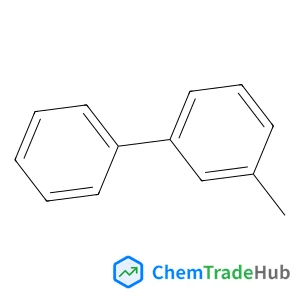
3-Methylbiphenyl
CAS Number: 643-93-6
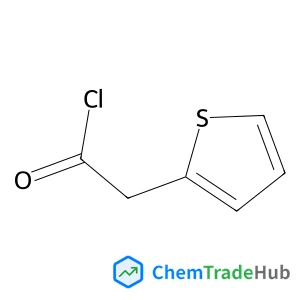
2-Thiophene Acetyl Chloride
CAS Number: 39098-97-0
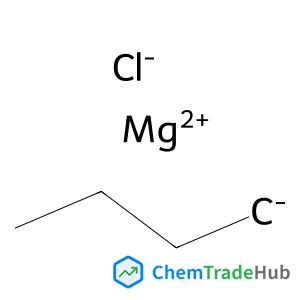
Butylmagnesium Chloride
CAS Number: 693-04-9
![2-(Methylsulfonyl)-2,4,5,6-tetrahydropyrrolo[3,4-c]pyrazole benzenesulfonate](https://static.chemtradehub.com/structs/128/1280210-80-1-c499.webp)
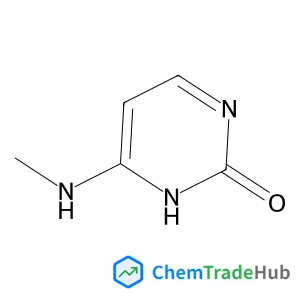
4-(Methylamino)-2-pyrimidinol
CAS Number: 6220-47-9

(2S)-2-Hydroxypentanoic acid
CAS Number: 41014-93-1
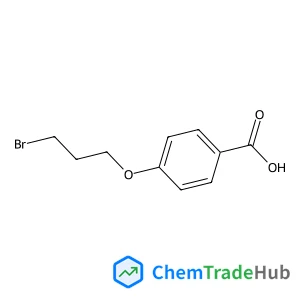
4-(3-Bromopropoxy)benzoic acid
CAS Number: 420087-84-9
![11-Phenyl-11,12-dihydroindolo[2,3-a]carbazole](https://static.chemtradehub.com/structs/102/1024598-06-8-d830.webp)
Other Suppliers for (-)-Dipivaloyl-l-tartaric acid





Basic Information
Molecular Formula
C14H22O8
Molecular Weight
318.32 g/mol
Physical Properties
Melting Point
147.0 to 152.0 deg-C
Boiling Point
436.6℃ at 760 mmHg
Density
1.240±0.06 g/cm3 (20 ºC 760 Torr),
Flash Point
153.791°C
Chemical Identifiers
SMILES
CC(C)(C)C(=O)OC(C(C(=O)O)OC(=O)C(C)(C)C)C(=O)O
InChIKey
UFHJEZDFEHUYCR-HTQZYQBOSA-N
Database References
MDL Number
MFCD00451533
FAQ
(-)-Dipivaloyl-l-tartaric acid (CAS: 65259-81-6) is a crystalline compound with a molecular weight of approximately 270.3 g/mol. It has a low solubility in water but is soluble in common organic solvents like methanol and ethanol. The compound is known for its high reactivity with various nucleophiles, particularly in esterification and aldol condensation reactions.
(-)-Dipivaloyl-l-tartaric acid (CAS: 65259-81-6) is usually synthesized via the prochiral esterification of l-tartaric acid with dipivaloyl chloride. The reaction involves the use of a catalytic amount of a Lewis acid like aluminum trichloride to promote the esterification. The process yields high enantiomeric excess of the (-)-form, with a typical yield of around 85-90%.
(-)-Dipivaloyl-l-tartaric acid (CAS: 65259-81-6) is primarily used in the pharmaceutical industry for chiral synthesis, as a chiral auxiliary in the resolution of racemic mixtures. It is also utilized in the polymer industry, particularly in the synthesis of polyesters and other polymers, and in the sensor and semiconductor industries for its chiral properties.
When handling (-)-Dipivaloyl-l-tartaric acid (CAS: 65259-81-6), it is essential to wear appropriate personal protective equipment (PPE), including safety glasses, gloves, and a lab coat. The compound should be handled in a well-ventilated area or a fume hood. Spills should be cleaned up immediately using appropriate absorbent materials and the area should be well-ventilated. Always refer to the Safety Data Sheet (SDS) for detailed safety information and emergency procedures.
Safety Notice
Please verify product specifications and safety data before use. Contact the supplier for detailed safety information.
Always follow proper handling procedures
Contact Information
2911799694@qq.com