



AD
Indomethacin (Indometacin) EP Impurity A (Indomethacin USP Related Compound B, Acemetacin EP Impurity A, Bezafibrate EP Impurity B, Clopamide EP Impurity B) (CAS: 74-11-3)
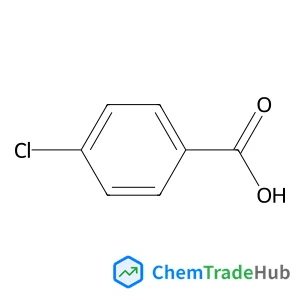
CAS Number
Related Products
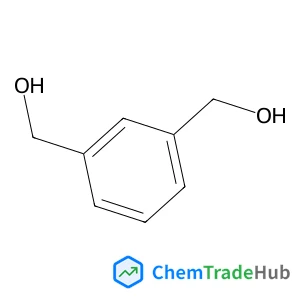
1,3-Phenylenedimethanol
CAS Number: 626-18-6
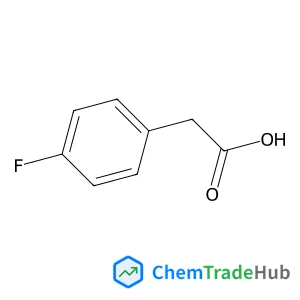
(4-Fluorophenyl)acetic acid
CAS Number: 405-50-5
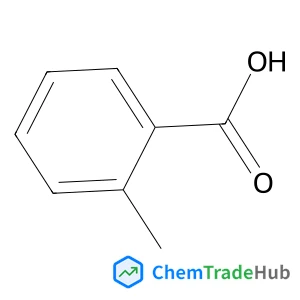
2-methylbenzoic acid
CAS Number: 118-90-1
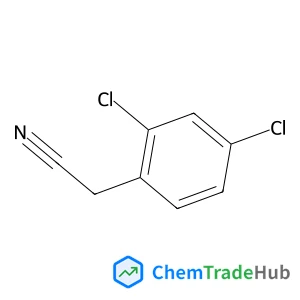
(2,4-Dichlorophenyl)acetonitrile
CAS Number: 6306-60-1
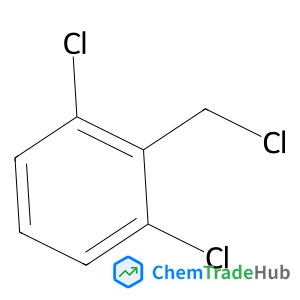
1,3-Dichloro-2-(chloromethyl)benzene
CAS Number: 2014-83-7
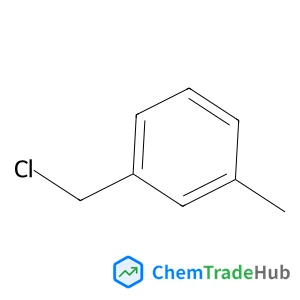
1-(Chloromethyl)-3-methylbenzene
CAS Number: 620-19-9

2-Ethyl-2-(hydroxymethyl)-1,3-propanediol
CAS Number: 77-99-6
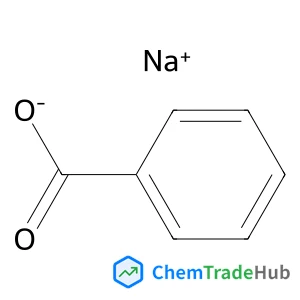
Sodium Benzoate
CAS Number: 532-32-1
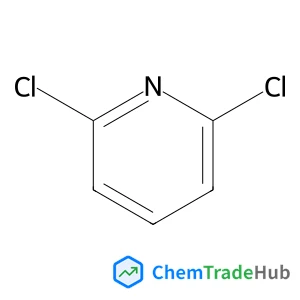
2,6-Dichloropyridine
CAS Number: 2402-78-0
Other Suppliers for Indomethacin (Indometacin) EP Impurity A (Indomethacin USP Related Compound B, Acemetacin EP Impurity A, Bezafibrate EP Impurity B, Clopamide EP Impurity B)

Basic Information
Molecular Formula
C7H5ClO2
Molecular Weight
156.57 g/mol
Physical Properties
Melting Point
238-241 °C (lit.)
Boiling Point
274-276 ºC (subl.)
Density
1.54
Chemical Identifiers
SMILES
C1=CC(=CC=C1C(=O)O)Cl
InChIKey
XRHGYUZYPHTUJZ-UHFFFAOYSA-N
Database References
MDL Number
MFCD00002531
Beilstein Registry Number
907196
FAQ
Indomethacin (CAS 74-11-3) is a nonsteroidal anti-inflammatory drug (NSAID) used primarily for its analgesic, antipyretic, and anti-inflammatory properties. Its chemical formula is C19H26O5, and it is a white to off-white crystalline powder with high solubility in organic solvents. It is commonly used in pharmaceutical formulations for pain and inflammation management.
Indomethacin (CAS 74-11-3) is primarily used as an NSAID for treating pain, fever, and inflammation. It is also employed as a related compound in drug quality control, such as EP Impurity A and USP Related Compound B. In research settings, it serves as a reference standard for analyzing impurities in pharmaceutical products.
Indomethacin (CAS 74-11-3) is generally safe when used as directed, but it may cause side effects such as gastrointestinal issues, renal impairment, and cardiovascular risks. Proper handling and storage are essential to ensure safety. It is important to follow safety guidelines and regulatory standards when working with this compound in a laboratory or industrial setting.
Indomethacin (CAS 74-11-3) should be stored in a cool, dry place away from light. It is typically kept in airtight containers to maintain stability and prevent moisture absorption. Storage conditions should be controlled at 2-8°C (36-46°F) and humidity levels below 60% to preserve its chemical integrity and ensure long-term usability.
Safety Notice
Please verify product specifications and safety data before use. Contact the supplier for detailed safety information.
Always follow proper handling procedures