



AD
6A-Azido-6A-deoxy-beta-cyclodextrin(CAS: 98169-85-8)
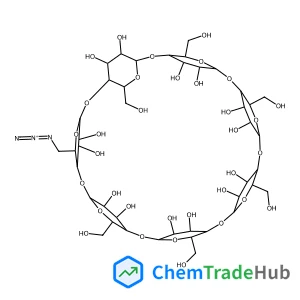
CAS Number
Related Products
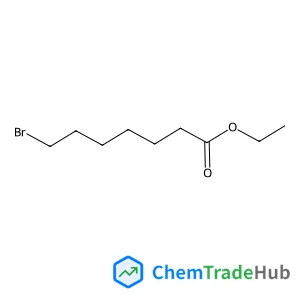
Ethyl 7-bromoheptanoate
CAS Number: 29823-18-5
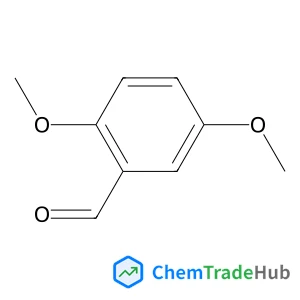
2,5-Dimethoxybenzaldehyde
CAS Number: 93-02-7
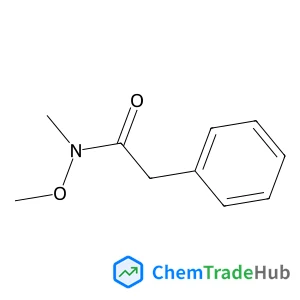
N-methoxy-N-methyl-2-phenylacetamide
CAS Number: 95092-10-7
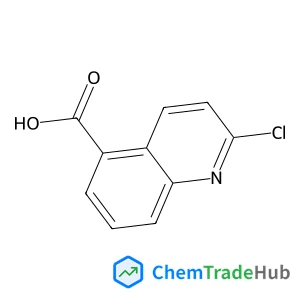
2-Chloro-5-quinolinecarboxylic acid
CAS Number: 1092287-30-3

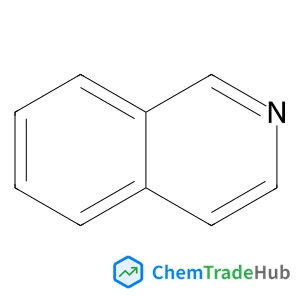
Isoquinoline
CAS Number: 119-65-3
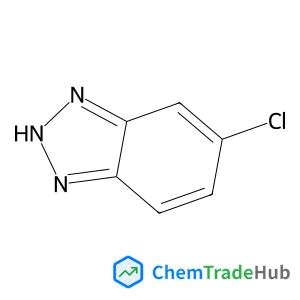
5-Chlorobenzotriazole
CAS Number: 94-97-3
Other Suppliers for 6A-Azido-6A-deoxy-beta-cyclodextrin



Basic Information
Molecular Formula
C42H69N3O34
Molecular Weight
1160 g/mol
Physical Properties
Melting Point
206°C(dec.)(lit.)
Chemical Identifiers
SMILES
C(C1C2C(C(C(O1)OC3C(OC(C(C3O)O)OC4C(OC(C(C4O)O)OC5C(OC(C(C5O)O)OC6C(OC(C(C6O)O)OC7C(OC(C(C7O)O)OC8C(OC(O2)C(C8O)O)CO)CO)CO)CO)CO)CO)O)O)N=[N+]=[N-]
InChIKey
CNXCXSMYMLPAMS-FOUAGVGXSA-N
Database References
MDL Number
MFCD05864973
FAQ
This compound is subject to regulatory guidelines under the Globally Harmonized System of Classification and Labelling of Chemicals (GHS), including classification as a hazardous substance. It falls under the scope of the REACH regulation in the European Union, requiring manufacturers and importers to register substances with the European Chemicals Agency (ECHA). Additionally, the FDA and EPA have specific regulations for the handling and use of this compound in the United States, including storage, transportation, and disposal requirements.
Alternative cyclodextrins such as alpha-cyclodextrin, beta-cyclodextrin, and gamma-cyclodextrin can be used as substitutes. For azido-modified cyclodextrins, mono- and di-azido derivatives of beta-cyclodextrin are available. These alternatives offer similar properties but with different functional groups, making them suitable for various applications depending on the specific requirements of the synthesis.
The market for 6A-Azido-6A-deoxy-beta-cyclodextrin is growing due to its applications in drug delivery, sensing, and functional materials. Research trends indicate increasing interest in its use for targeted drug release systems and as a platform for building functional supramolecular assemblies. The trend is expected to continue with further development of its applications and improvements in synthesis methods.
Waste containing 6A-Azido-6A-deoxy-beta-cyclodextrin should be collected in appropriate containers and stored under controlled conditions to prevent degradation or contamination. Incineration is a common method for disposal, but professional waste disposal services are recommended. Environmental protection measures include ensuring proper containment to prevent spills and adhering to local hazardous waste regulations. Appropriate protective equipment and training are necessary during handling to ensure safety.
Safety Notice
Please verify product specifications and safety data before use. Contact the supplier for detailed safety information.
Always follow proper handling procedures

Contact Information
info@tocopharm.com
Mobile
13776836200
Telephone
021-69895597
Fax
021-60919354
Visit Website
https://www.tocopharm.com