



AD
2-Hydroxyethyl stearate(CAS: 111-60-4)
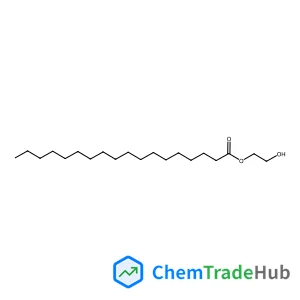
CAS Number
Related Products
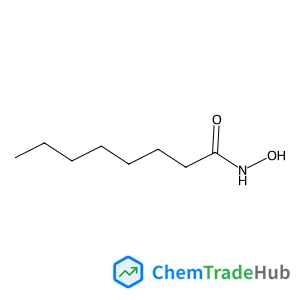
N-Hydroxyoctanamide
CAS Number: 7377-03-9
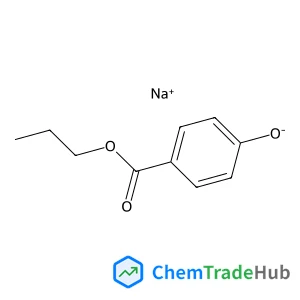
Sodium 4-(propoxycarbonyl)phenolate
CAS Number: 35285-69-9
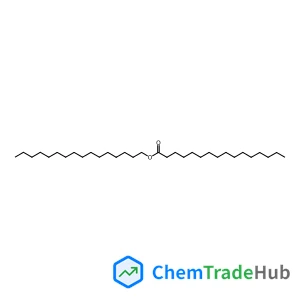
Hexadecyl palmitate
CAS Number: 540-10-3
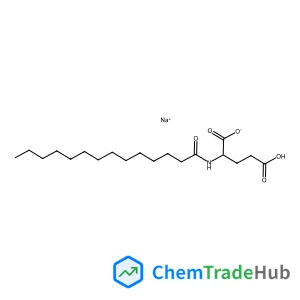
Sodiummyristoylglutamate
CAS Number: 38517-37-2
![mu-[2-(Hydroxy-1kappaO)-1,2,3-propanetricarboxylato(4-)-1kappaO~1~:2kappa~2~O~2~,O~3~]dicopper](https://static.chemtradehub.com/structs/104/10402-15-0-9b1a.webp)
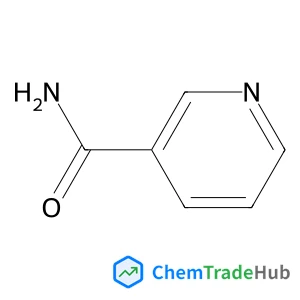
Niacinamide
CAS Number: 98-92-0
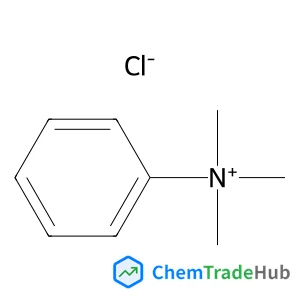
N,N,N-Trimethylanilinium chloride
CAS Number: 138-24-9
![N,N''''-1,6-Hexanediylbis[N'-(4-chlorophenyl)(imidodicarbonimidic diamide)] - D-gluconic acid (1:2)](https://static.chemtradehub.com/structs/184/18472-51-0-b380.webp)
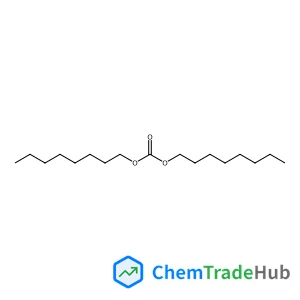
Dioctyl carbonate
CAS Number: 1680-31-5
Other Suppliers for 2-Hydroxyethyl stearate





Basic Information
Molecular Formula
C20H40O3
Molecular Weight
328.54 g/mol
Physical Properties
Melting Point
55-60 °C
Boiling Point
149 °C
Flash Point
240 C
Chemical Identifiers
SMILES
CCCCCCCCCCCCCCCCCC(=O)OCCO
InChIKey
RFVNOJDQRGSOEL-UHFFFAOYSA-N
Database References
MDL Number
MFCD00051465
FAQ
2-Hydroxyethyl stearate (CAS: 111-60-4) falls under the regulatory guidelines of the Globally Harmonized System of Classification and Labeling of Chemicals (GHS), REACH in the European Union, and relevant FDA and EPA regulations in the United States. It is classified as a hazardous substance due to its biodegradability and potential to irritate skin and eyes. Compliance with these guidelines is essential to ensure safe handling and use.
There are several alternatives to 2-Hydroxyethyl stearate (CAS: 111-60-4) in synthesis, including other esters like glyceryl stearate, and similar compounds such as lauryl stearate. These alternatives can be used in similar applications, offering comparable performance in areas like personal care products and coatings due to their similar chemical properties.
The market for 2-Hydroxyethyl stearate (CAS: 111-60-4) is steadily growing due to its application in personal care products and as a surfactant. Research trends focus on its use in sustainable formulations and as a biodegradable alternative to more traditional surfactants. Increasing demand from the cosmetic and pharmaceutical industries drives this trend.
Waste containing 2-Hydroxyethyl stearate (CAS: 111-60-4) should be collected in appropriate containers and disposed of through professional waste disposal services. Incineration or safe chemical treatment is recommended. Environmental precautions include ensuring no runoff and proper labeling of waste containers to prevent accidental exposure or contamination. Compliance with local regulations and guidelines is critical.
Safety Notice
Please verify product specifications and safety data before use. Contact the supplier for detailed safety information.
Always follow proper handling procedures
Contact Information
3282217861@qq.com