



AD
Chloro(isopropyl)magnesium(CAS: 1068-55-9)
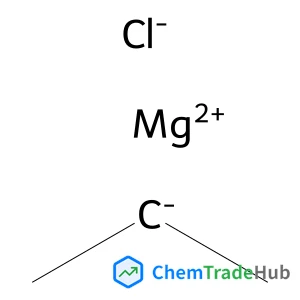
CAS Number
Related Products
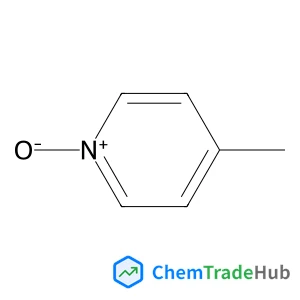
4-Methylpyridine 1-oxide
CAS Number: 1003-67-4
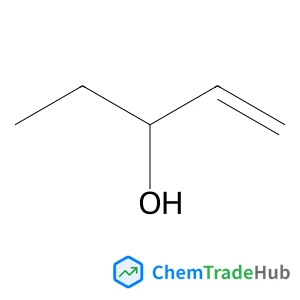
1-Penten-3-ol
CAS Number: 616-25-1
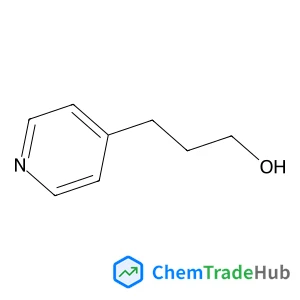
3-(4-Pyridinyl)-1-propanol
CAS Number: 2629-72-3
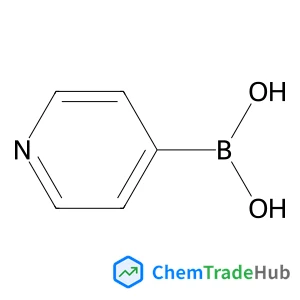
4-Pyridinylboronic acid
CAS Number: 1692-15-5
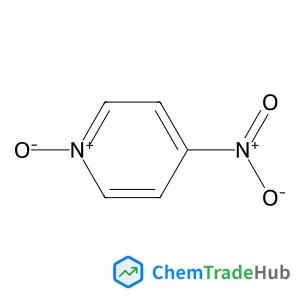
4-nitropyridin-1-ium-1-olate
CAS Number: 1124-33-0
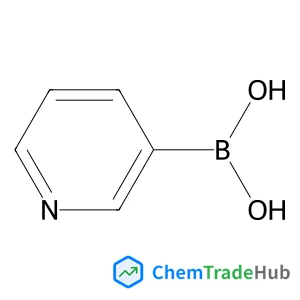
(pyridin-3-yl)boronic acid
CAS Number: 1692-25-7
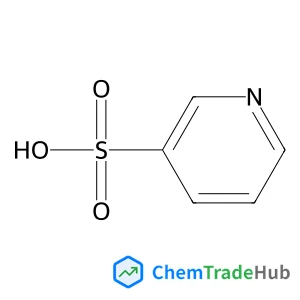
3-Pyridinesulfonic acid
CAS Number: 636-73-7
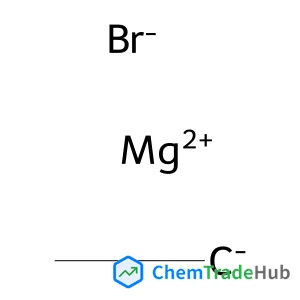
Ethylmagnesium Bromide
CAS Number: 925-90-6
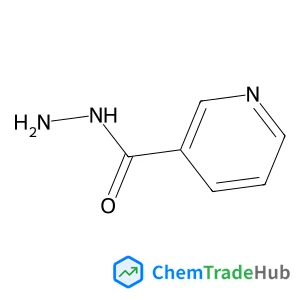
Nicotinohydrazide
CAS Number: 553-53-7
Other Suppliers for Chloro(isopropyl)magnesium




Basic Information
Molecular Formula
C3H7ClMg
Molecular Weight
102.85 g/mol
Physical Properties
Boiling Point
256 °C
Water Solubility
It reacts violently with water.
Chemical Identifiers
SMILES
C[CH-]C.[Mg+2].[Cl-]
InChIKey
GPIBKUJXKCEZOH-UHFFFAOYSA-M
Database References
MDL Number
MFCD00000466
FAQ
Chloro(isopropyl)magnesium (CAS: 1068-55-9) is an organomagnesium compound used primarily in organic synthesis. Its chemical formula is C3H7ClMg, and it typically appears as a colorless liquid. The compound is highly reactive, pyrophoric, and sensitive to moisture, making it a valuable reagent in Grignard reactions for forming carbon-carbon bonds.
Chloro(isopropyl)magnesium (CAS: 1068-55-9) is widely used in pharmaceuticals and industrial chemistry. It serves as a key intermediate in synthesizing complex organic molecules, including drug compounds. Additionally, it finds applications in polymer manufacturing and research for catalytic processes, contributing to the development of new materials and chemical reactions.
Chloro(isopropyl)magnesium (CAS: 1068-55-9) requires careful handling due to its reactivity and potential hazards. It is toxic if inhaled or ingested and can release harmful vapors. Safety measures include using a fume hood, wearing protective gloves and eyewear, and avoiding exposure to moisture. Compliance with OSHA and GHS standards is essential for safe use.
Chloro(isopropyl)magnesium (CAS: 1068-55-9) should be stored in a cool, dry place (2-8°C), away from moisture and air. It requires airtight, inert gas-filled containers (e.g., under nitrogen) to maintain stability. Exposure to light should be minimized, and storage areas must ensure low humidity to prevent degradation and ensure safety.
Safety Notice
Please verify product specifications and safety data before use. Contact the supplier for detailed safety information.
Always follow proper handling procedures
Contact Information
Contact Person
Miss Wang