



AD
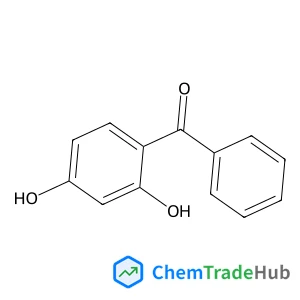
Benzoresorcinol (2,4-Dihydroxybenzophenone)(CAS: 131-56-6)
CAS Number
Related Products
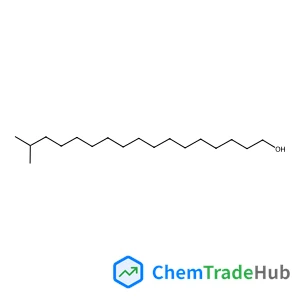
16-Methyl-1-heptadecanol
CAS Number: 27458-93-1
![Titanium(4+) [{[bis(octyloxy)phosphoryl]oxy}(hydroxy)phosphoryl]oxidanide 2-propanolate (1:3:1)](https://static.chemtradehub.com/structs/676/67691-13-8-3e2e.webp)
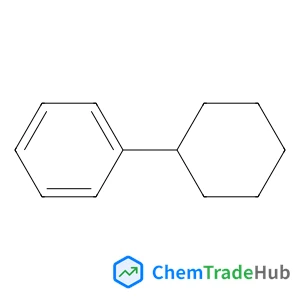
cyclohexylbenzene
CAS Number: 827-52-1

1,3-Dioxan-5-ol
CAS Number: 86687-05-0
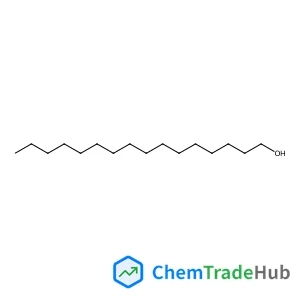
1-Hexadecanol
CAS Number: 36653-82-4
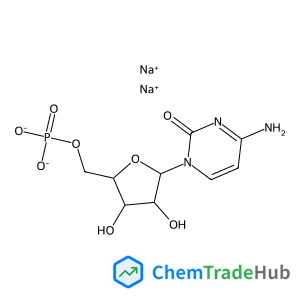
Disodium 5'-O-phosphonatocytidine
CAS Number: 6757-06-8
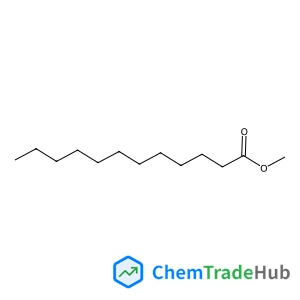
Methyl laurate
CAS Number: 111-82-0
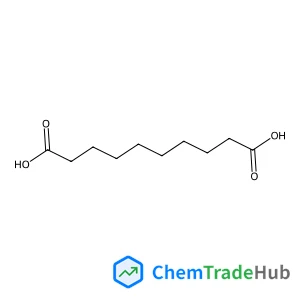
Sebacic acid
CAS Number: 111-20-6

Lithium bromide hydrate (1:1:1)
CAS Number: 85017-82-9
Other Suppliers for Benzoresorcinol (2,4-Dihydroxybenzophenone)




Basic Information
Molecular Formula
C13H10O3
Molecular Weight
214.22 g/mol
Physical Properties
Melting Point
143.0 to 147.0 deg-C
Boiling Point
194 ºC (1 mmHg)
Flash Point
125 ºC
Chemical Identifiers
SMILES
Oc1ccc(C(=O)c2ccccc2)c(O)c1
InChIKey
ZXDDPOHVAMWLBH-UHFFFAOYSA-N
Database References
MDL Number
MFCD00002277
Beilstein Registry Number
1311566
FAQ
Benzoresorcinol (2,4-Dihydroxybenzophenone, CAS: 131-56-6) is an organic compound with the chemical formula C13H10O3. It is a white crystalline solid known for its UV-absorbing properties and is commonly used as a photostabilizer. Benzoresorcinol exhibits mild hydrophilicity and is soluble in ethanol and other organic solvents. Its molecular structure features a benzophenone backbone with hydroxyl groups at the 2 and 4 positions, contributing to its chemical stability and reactivity in various applications.
Benzoresorcinol (CAS: 131-56-6) is widely used in pharmaceuticals as a UV filter in topical skin products. It also serves as an industrial additive for stabilizing plastics and coatings against UV degradation. In the food industry, it is employed as a permitted UV absorber in packaging materials. Additionally, it is utilized in research for organic synthesis and as a precursor in the development of other chemical compounds, including dyes and pharmaceutical intermediates.
Benzoresorcinol (CAS: 131-56-6) is generally considered safe when handled properly, but it may cause mild skin irritation or allergic reactions in some cases. Safety data sheets (SDS) classify it as low toxicity, with minimal acute harm. However, protective measures such as gloves, goggles, and ventilation are recommended during handling. It is not classified as a carcinogen or mutagen, but adherence to standard chemical safety protocols is essential to minimize health risks.
Benzoresorcinol (CAS: 131-56-6) should be stored in a cool, dry place (ideally 2-8°C), away from light and moisture. It is best kept in airtight, light-resistant containers to maintain stability and prevent degradation. Avoid exposure to high humidity or temperature fluctuations, as these may affect its chemical integrity. Proper storage ensures long-term preservation and safety in both industrial and research settings.
Safety Notice
Please verify product specifications and safety data before use. Contact the supplier for detailed safety information.
Always follow proper handling procedures
Contact Information
Contact Person
Chen
b15850387620@163.com