



AD
Mesitylacetonitrile(CAS: 34688-71-6)
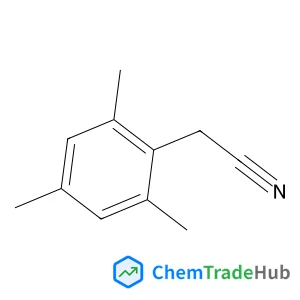
CAS Number
Related Products
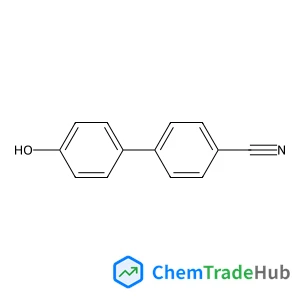
4'-Hydroxy-4-biphenylcarbonitrile
CAS Number: 19812-93-2
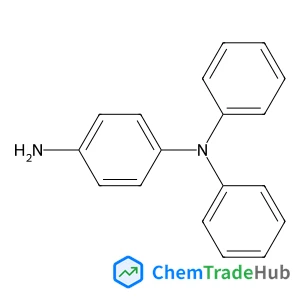
N,N-Diphenyl-1,4-benzenediamine
CAS Number: 2350-01-8
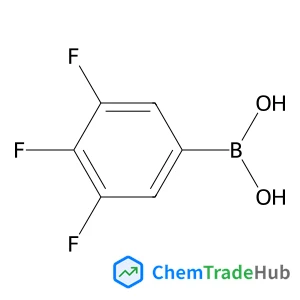
(3,4,5-Trifluorophenyl)boronic acid
CAS Number: 143418-49-9
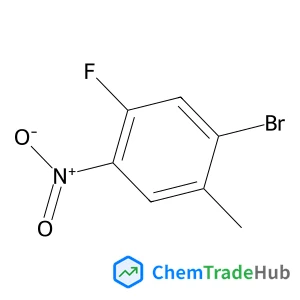
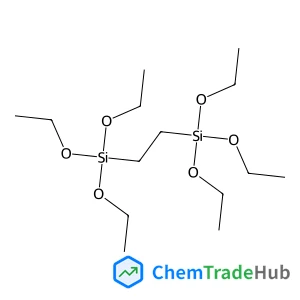
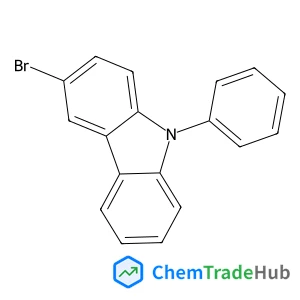
3-Bromo-9-phenyl-9H-carbazole
CAS Number: 1153-85-1
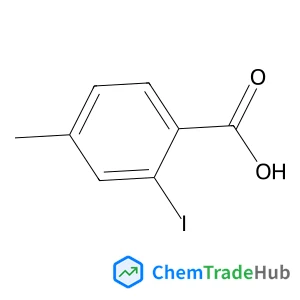
2-Iodo-4-methylbenzoic acid
CAS Number: 1829-21-6
Other Suppliers for Mesitylacetonitrile




Basic Information
Molecular Formula
C11H13N
Molecular Weight
159.23 g/mol
Physical Properties
Melting Point
78.0 to 82.0 deg-C
Boiling Point
120 ºC (1 mmHg)
Flash Point
120°C/1mm
Chemical Identifiers
SMILES
CC1=CC(=C(C(=C1)C)CC#N)C
InChIKey
SDKQOGSGNPGPRN-UHFFFAOYSA-N
Database References
MDL Number
MFCD00013815
Beilstein Registry Number
1942677
FAQ
Mesitylacetonitrile (CAS: 34688-71-6) is a colorless to light yellow liquid with a characteristic odor. It has a molecular weight of approximately 146.16 g/mol and a melting point of -59°C. This compound is moderately soluble in water but highly soluble in organic solvents such as ethanol and acetone. Chemically, it is relatively stable but can react with strong oxidizing agents. It is used in various applications due to its unique properties.
Mesitylacetonitrile (CAS: 34688-71-6) is synthesized by reacting mesityl oxide with hydrogen cyanide in the presence of a suitable catalyst. The reaction is carried out at a temperature around 100°C, providing good yield and selectivity. The synthetic route is efficient and commonly used in industrial settings to produce this compound.
Mesitylacetonitrile (CAS: 34688-71-6) is used in the pharmaceutical industry for the synthesis of certain drugs, in the polymer industry for the production of functional polymers, and in the chemical industry for various intermediates. It is also utilized in the production of sensors and semiconductors for its unique chemical properties.
When handling Mesitylacetonitrile (CAS: 34688-71-6), it is essential to wear appropriate personal protective equipment (PPE) such as gloves, goggles, and a lab coat. Work should be conducted in a well-ventilated area or a fume hood to avoid inhalation. Spills should be cleaned up immediately using appropriate absorbents, and the area should be thoroughly cleaned. Always refer to the Safety Data Sheet (SDS) for detailed handling and disposal instructions.
Safety Notice
Please verify product specifications and safety data before use. Contact the supplier for detailed safety information.
Always follow proper handling procedures
Contact Information
yeshengchemical@163.com