



AD
2-Hydroxy-6-methoxybenzaldehyde(CAS: 700-44-7)
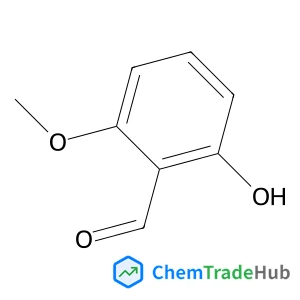
CAS Number
Related Products
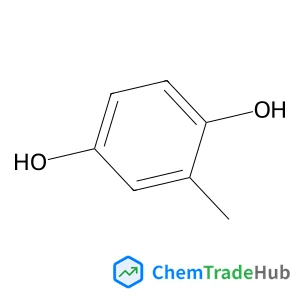
2-Methyl-1,4-benzenediol
CAS Number: 95-71-6
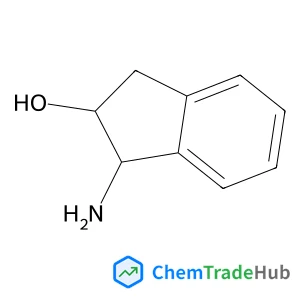
(1S,2R)-1-Amino-2-indanol
CAS Number: 7480-35-5
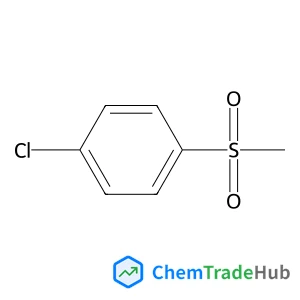
1-Chloro-4-(methylsulfonyl)benzene
CAS Number: 98-57-7
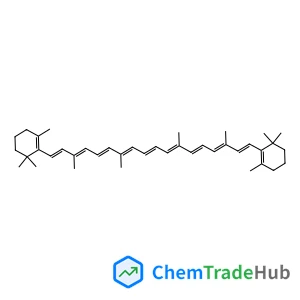
beta,beta-Carotene
CAS Number: 7235-40-7
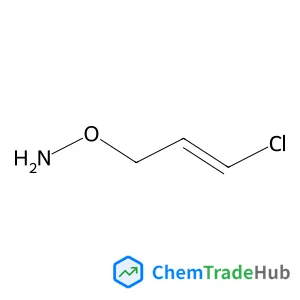
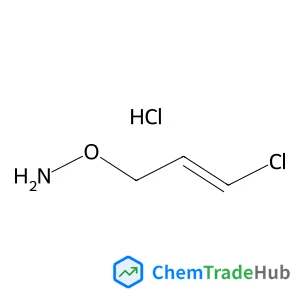
(1E)-3-(Aminooxy)-1-chloro-1-propene
CAS Number: 87851-77-2
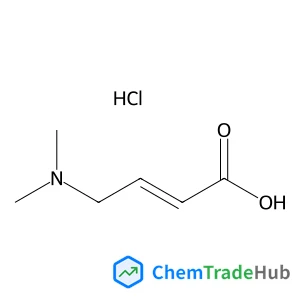
Other Suppliers for 2-Hydroxy-6-methoxybenzaldehyde







Basic Information
Molecular Formula
C8H8O3
Molecular Weight
152.15 g/mol
Physical Properties
Melting Point
41-43 °C(lit.)
Boiling Point
262.9°C at 760 mmHg
Density
1.231
Flash Point
>230 °F
Water Solubility
Slightly soluble in water.
Chemical Identifiers
SMILES
COC1=CC=CC(=C1C=O)O
InChIKey
DZJPDDVDKXHRLF-UHFFFAOYSA-N
Database References
MDL Number
MFCD00151830
Beilstein Registry Number
1101524
FAQ
2-Hydroxy-6-methoxybenzaldehyde (CAS: 700-44-7) falls under several regulatory guidelines. It is classified as a hazardous substance under the Globally Harmonized System (GHS) and requires proper labeling and handling. In Europe, it is regulated under REACH, which mandates registration, evaluation, authorization, and restriction of chemicals. Additionally, the FDA and EPA in the United States have specific requirements for its use and disposal. Compliance with these guidelines ensures safe handling, transportation, and storage.
Several alternatives to 2-Hydroxy-6-methoxybenzaldehyde (CAS: 700-44-7) exist in synthesis, including related compounds like 2-Methoxybenzaldehyde or 6-Hydroxy-2-methoxybenzaldehyde. Common alternative reagents include phenol derivatives and methoxybenzaldehyde analogs. These alternatives can provide similar functionality in various synthetic routes, reducing potential regulatory and safety concerns.
The market for 2-Hydroxy-6-methoxybenzaldehyde (CAS: 700-44-7) is driven by its use in flavor and fragrance industries, as well as in pharmaceuticals. Research trends are focusing on its applications in biocompatible materials and drug delivery systems. Market demand is expected to grow with increasing demand from the cosmetic and pharmaceutical sectors. Emerging research is exploring its potential in antimicrobial and antioxidant applications, indicating a promising future.
Waste containing 2-Hydroxy-6-methoxybenzaldehyde (CAS: 700-44-7) should be collected in appropriate containers labeled with the substance name and hazard information. It should be handled according to GHS guidelines and disposed of through professional waste disposal services. Incineration is a common method, but specific disposal methods should be determined based on local regulations. Environmental precautions include minimizing exposure and ensuring proper ventilation during handling to protect both human health and the environment.
Safety Notice
Please verify product specifications and safety data before use. Contact the supplier for detailed safety information.
Always follow proper handling procedures
Contact Information
sales@webchem.cn