



AD
2,3'-Bipyridine(CAS: 581-50-0)
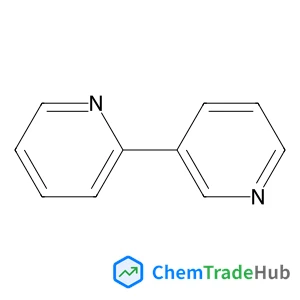
CAS Number
Related Products
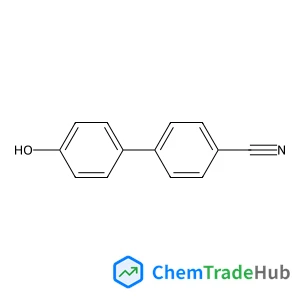
4'-Hydroxy-4-biphenylcarbonitrile
CAS Number: 19812-93-2
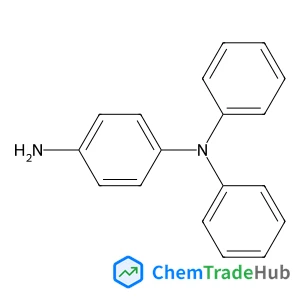
N,N-Diphenyl-1,4-benzenediamine
CAS Number: 2350-01-8
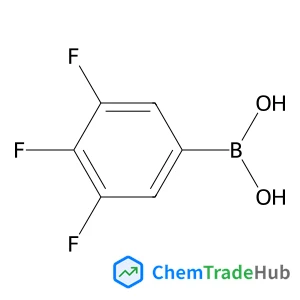
(3,4,5-Trifluorophenyl)boronic acid
CAS Number: 143418-49-9
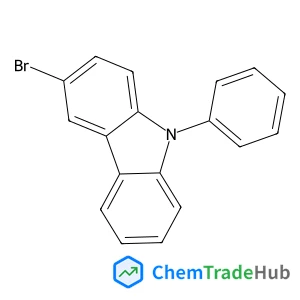
3-Bromo-9-phenyl-9H-carbazole
CAS Number: 1153-85-1
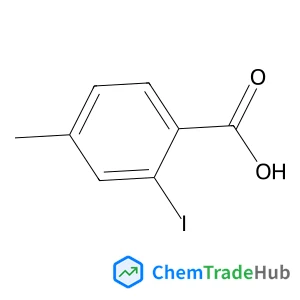
2-Iodo-4-methylbenzoic acid
CAS Number: 1829-21-6
Other Suppliers for 2,3'-Bipyridine







Basic Information
Molecular Formula
C10H8N2
Molecular Weight
156.19 g/mol
Physical State
Liquid
Physical Properties
Boiling Point
102-104°C@0.7 torr
Chemical Identifiers
SMILES
C1=CC=NC(=C1)C2=CN=CC=C2
InChIKey
VEKIYFGCEAJDDT-UHFFFAOYSA-N
Database References
MDL Number
MFCD00006215
FAQ
2,3'-Bipyridine (CAS: 581-50-0) is regulated under the Globally Harmonized System of Classification and Labeling of Chemicals (GHS) as a skin and eye irritant. In Europe, it falls under the Registration, Evaluation, Authorization, and Restriction of Chemicals (REACH) regulation, which requires hazard assessments and registers. Additionally, the Food and Drug Administration (FDA) and Environmental Protection Agency (EPA) in the U.S. may have specific requirements for its handling and disposal, particularly in industrial and laboratory settings.
Several analogs can be used as alternatives to 2,3'-bipyridine in synthesis, such as 1,10-phenanthroline and 4,4'-bipyridine. These alternatives offer similar coordination properties but may have different solubility and reactivity. In specific applications, isomers like 2,2'-bipyridine can also be considered depending on the desired coordination geometry and complex stability.
The market for 2,3'-bipyridine (CAS: 581-50-0) is driven by its use in catalysis, coordination chemistry, and electrochemistry. Research trends include its application in metal complexes for catalytic processes and as a ligand in various spectroscopic studies. The trend towards sustainable chemistry may also influence its use in developing more environmentally friendly synthetic routes and applications.
Waste containing 2,3'-bipyridine (CAS: 581-50-0) should be collected in appropriate containers and handled according to local regulations. It is recommended to neutralize acidic or basic solutions before disposal. Incineration is a common method, but professional waste disposal services should be utilized. Environmental protection measures should include preventing spills and ensuring the waste is not released into the environment. Compliance with local and international waste disposal regulations is crucial to avoid contamination and environmental harm.
Safety Notice
Please verify product specifications and safety data before use. Contact the supplier for detailed safety information.
Always follow proper handling procedures
Contact Information
yeshengchemical@163.com