



AD
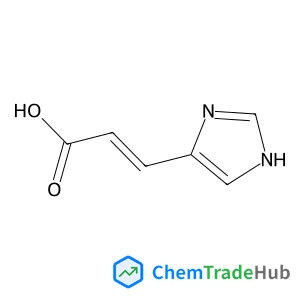
Urocanic Acid(CAS: 104-98-3)
CAS Number
Related Products
![[(1R)-3-Methyl-1-({N-[(6-phenyl-2-pyridinyl)carbonyl]-L-threonyl}amino)butyl]boronic acid](https://static.chemtradehub.com/structs/847/847499-27-8-345c.webp)
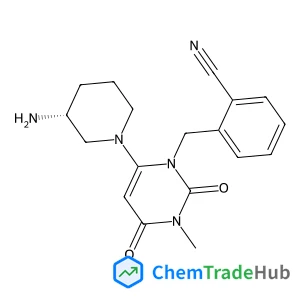
Alogliptin
CAS Number: 850649-61-5
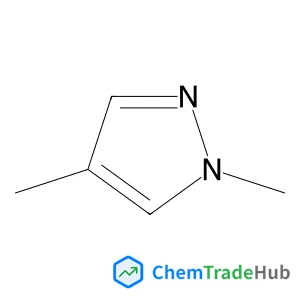
1,4-Dimethyl-1H-pyrazole
CAS Number: 1072-68-0
![[(2R)-1-(L-Valyl)-2-pyrrolidinyl]boronic acid methanesulfonate (1:1)](https://static.chemtradehub.com/structs/150/150080-09-4-5ff6.webp)
![5-{2-[4-(1,2-Benzothiazol-3-yl)-1-piperazinyl]ethyl}-6-chloro-1,3-dihydro-2H-indol-2-one](https://static.chemtradehub.com/structs/146/146939-27-7-4d61.webp)
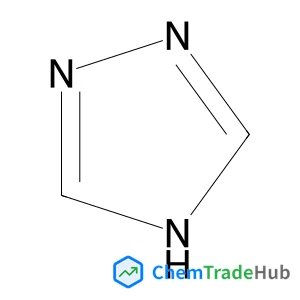
1H-1,2,4-Triazole
CAS Number: 288-88-0
4-Hexyl-1,3-benzenediol
CAS Number: 136-77-6
Other Suppliers for Urocanic Acid






Basic Information
Molecular Formula
C6H6N2O2
Molecular Weight
138.13 g/mol
Physical Properties
Melting Point
226-228 °C (lit.)
Boiling Point
253.51°C (rough estimate)
Chemical Identifiers
SMILES
OC(=O)C=Cc1c[nH]cn1
InChIKey
LOIYMIARKYCTBW-UHFFFAOYSA-N
Database References
MDL Number
MFCD00149316
FAQ
Urocanic Acid (CAS: 104-98-3) falls under the classification of a carboxylic acid. Regulatory guidelines such as GHS (Globally Harmonized System of Classification and Labeling of Chemicals) apply, categorizing it as a harmful substance. In the EU, it is regulated under REACH (Registration, Evaluation, Authorization, and Restriction of Chemicals). For FDA and EPA, it is managed under the Toxic Substances Control Act (TSCA) and may require specific labeling and documentation for import and use.
Alternatives to Urocanic Acid (CAS: 104-98-3) include its synthetic analogs and isomers, such as hydroxyursolic acid. Common alternative reagents include other carboxylic acids like capric acid or lauric acid. These alternatives can be used in various synthetic pathways depending on the specific application, offering a range of options to achieve similar or related chemical functionalities.
The market for Urocanic Acid (CAS: 104-98-3) is growing due to its potential applications in cosmetic and pharmaceutical industries. Research trends are focused on its antioxidant and UV-protective properties. Market trends show increasing demand for natural and bioactive compounds, driving innovation in formulation and application. Additionally, the compound is being explored for its potential roles in skin health and aging, leading to emerging research fields in dermatology and cosmeceuticals.
Waste containing Urocanic Acid (CAS: 104-98-3) should be collected and stored in appropriate, labeled containers. For disposal, it is recommended to use professional waste disposal services due to its potential hazardous nature. Special precautions should be taken to prevent environmental contamination, including proper incineration or chemical treatment. Ensure all disposal methods comply with local and international regulations, such as GHS and REACH, to maintain safety and environmental compliance.
Safety Notice
Please verify product specifications and safety data before use. Contact the supplier for detailed safety information.
Always follow proper handling procedures