



AD
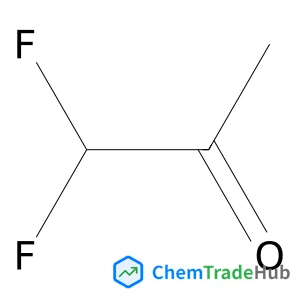
1,1-Difluoroacetone(CAS: 431-05-0)
CAS Number
Related Products
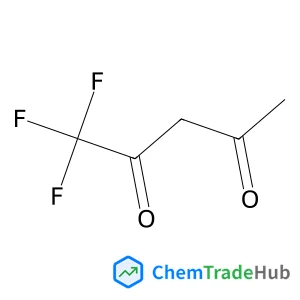
1,1,1-Trifluoro-2,4-pentanedione
CAS Number: 367-57-7
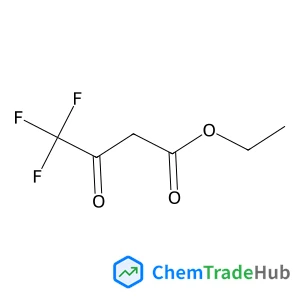
Ethyl 4,4,4-trifluoro-3-oxobutanoate
CAS Number: 372-31-6
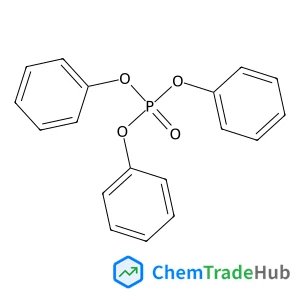
Triphenyl Phosphate
CAS Number: 115-86-6
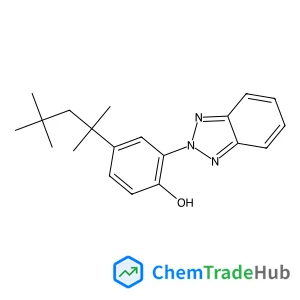
![Tris[2,4-bis(2-methyl-2-propanyl)phenyl] phosphite](https://static.chemtradehub.com/structs/315/31570-04-4-0c83.webp)
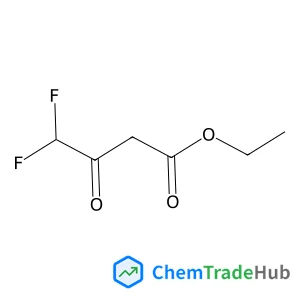
Ethyl 4,4-difluoro-3-oxobutanoate
CAS Number: 352-24-9

Poly(tetrafluoroethylene)
CAS Number: 9002-84-0
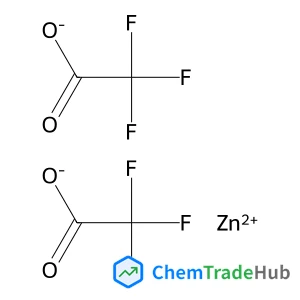
ZINC TRIFLUOROACETATE
CAS Number: 21907-47-1
Other Suppliers for 1,1-Difluoroacetone





Basic Information
Molecular Formula
C3H4F2O
Molecular Weight
94.06 g/mol
Physical Properties
Boiling Point
45 ºC
Flash Point
2 ºC
Chemical Identifiers
SMILES
CC(=O)C(F)F
InChIKey
XHILZHAQBOLGFD-UHFFFAOYSA-N
Database References
MDL Number
MFCD02262166
FAQ
1,1-Difluoroacetone (CAS: 431-05-0) is regulated under the Globally Harmonized System of Classification and Labelling of Chemicals (GHS) as a flammable liquid and a skin irritant. It is also subject to the Registration, Evaluation, Authorisation and Restriction of Chemicals (REACH) in the European Union, which requires manufacturers and importers to register the chemical and provide safety data sheets. In the United States, the Environmental Protection Agency (EPA) and the Food and Drug Administration (FDA) may have additional regulations related to its use and disposal. Always consult the Material Safety Data Sheet (MSDS) for specific safety and regulatory information.
There are several alternatives to 1,1-Difluoroacetone (CAS: 431-05-0) that can be used in synthesis, depending on the specific reaction conditions. Common alternatives include acetone itself, other fluoroacetones, and various cyclic ketones. For instance, 2,2-Difluoroacetone and 1,2-Difluoroacetone can be used in some reactions. It is important to consider the reactivity and availability of these alternatives in the context of the desired chemical process.
The market for 1,1-Difluoroacetone (CAS: 431-05-0) is relatively stable, with a growing trend in its application in pharmaceuticals and fine chemicals due to its unique reactivity. Research is also focusing on its use as a building block for the synthesis of complex organic molecules. As environmental concerns and regulatory requirements evolve, there is an increasing emphasis on the development of greener and more sustainable alternatives. Market trends suggest that demand will continue to increase, driven by the expanding pharmaceutical and agrochemical industries.
Waste containing 1,1-Difluoroacetone (CAS: 431-05-0) should be collected in appropriate containers labeled with the chemical's name and hazard information. It is important to ensure that the waste is properly disposed of through a hazardous waste management facility. For small quantities, it can be treated by neutralization or incineration under controlled conditions. Larger quantities should be handled by professional waste disposal services to ensure compliance with environmental protection standards and safety regulations. Always refer to the Material Safety Data Sheet (MSDS) for specific handling and disposal instructions.
Safety Notice
Please verify product specifications and safety data before use. Contact the supplier for detailed safety information.
Always follow proper handling procedures

Contact Information
Contact Person
Manager Wang
retihly@hotmail.com
Mobile
13348102862
Visit Website
http://www.profiling.cn/Address
Room 815-1, Petrochemical Trading Building, Zhangjiagang Bonded Area