



AD
2-(2-pyridyl)pyridin-4-amine(CAS: 14151-21-4)
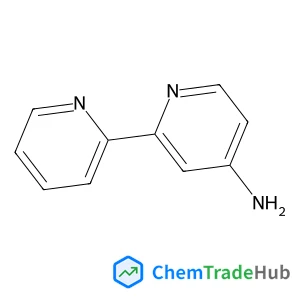
CAS Number
Related Products
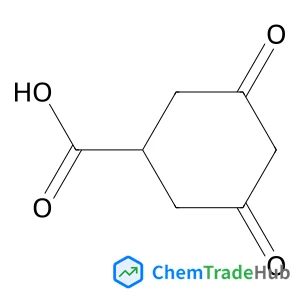
3,5-Dioxocyclohexanecarboxylic acid
CAS Number: 42858-60-6
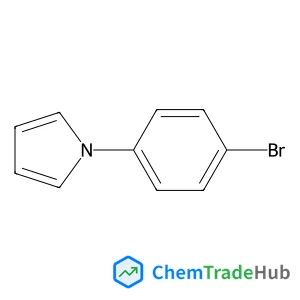
1-(4-Bromophenyl)-1H-pyrrole
CAS Number: 5044-39-3
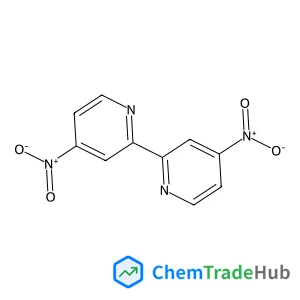
4,4'-Dinitro-2,2'-bipyridine
CAS Number: 18511-72-3
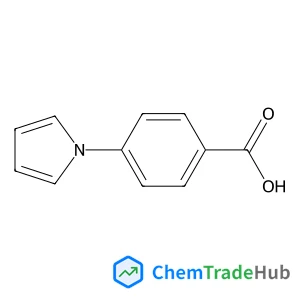
4-(1H-pyrrol-1-yl)benzoic acid
CAS Number: 22106-33-8
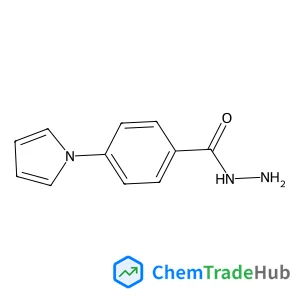
4-(1H-pyrrol-1-yl)benzohydrazide
CAS Number: 112575-84-5
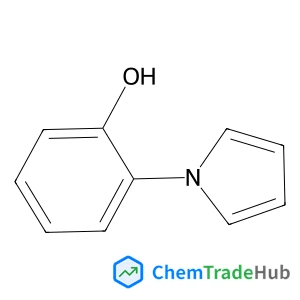
2-(1H-Pyrrol-1-yl)phenol
CAS Number: 32277-91-1
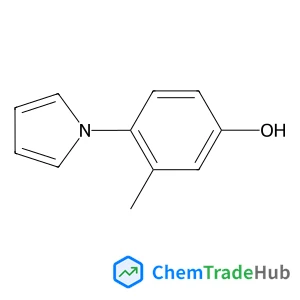
3-Methyl-4-(1H-pyrrol-1-YL)phenol
CAS Number: 137352-74-0
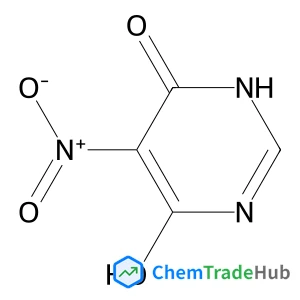
6-Hydroxy-5-nitro-4(1H)-pyrimidinone
CAS Number: 2164-83-2
Other Suppliers for 2-(2-pyridyl)pyridin-4-amine









Basic Information
Molecular Formula
C10H9N3
Molecular Weight
171.2 g/mol
Chemical Identifiers
SMILES
c1ccnc(c1)c2cc(ccn2)N
InChIKey
YJHGQQMUSFJRDE-UHFFFAOYSA-N
Database References
MDL Number
MFCD01646268
FAQ
2-(2-pyridyl)pyridin-4-amine (CAS: 14151-21-4) is a crystalline solid with a molecular weight of approximately 215.21 g/mol. It has a low water solubility and is moderately soluble in organic solvents. This compound is relatively stable under normal conditions but can react with acids to form pyridinium salts. It exhibits basic properties due to the presence of an amine group.
2-(2-pyridyl)pyridin-4-amine is commonly synthesized via the amidation of 2-pyridylpyridine with an appropriate amine reagent in the presence of a catalyst such as anhydrous sodium carbonate or triethylamine. The reaction involves the formation of an intermediate imine, which is reduced to the amine product. High yields and good selectivity can be achieved under optimized conditions.
2-(2-pyridyl)pyridin-4-amine (CAS: 14151-21-4) is used in various industries. It serves as a key intermediate in the synthesis of pharmaceuticals, particularly in the development of antiviral and anticancer drugs. It is also utilized in the production of sensors and semiconductors due to its unique electronic properties.
When handling 2-(2-pyridyl)pyridin-4-amine (CAS: 14151-21-4), it is crucial to wear appropriate personal protective equipment (PPE) such as gloves, safety goggles, and a lab coat. Handling should be performed in a well-ventilated area or a fume hood to minimize exposure. Spills should be cleaned up promptly using appropriate absorbents, and proper disposal methods should be followed as outlined in the Safety Data Sheet (SDS).
Safety Notice
Please verify product specifications and safety data before use. Contact the supplier for detailed safety information.
Always follow proper handling procedures
Contact Information
Contact Person
Xiao Ye
515238037@qq.com