



AD
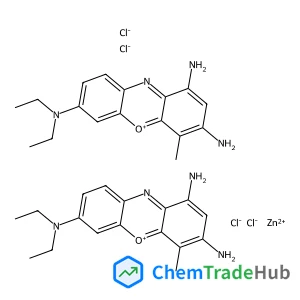
Brilliant Cresyl blue (Technical Grade)(CAS: 81029-05-2)
CAS Number
Related Products
![Disodium 3-[(ethyl{(1E,4E)-4-[{4-[ethyl(3-sulfonatobenzyl)amino]phenyl}(4-sulfonatophenyl)methylene]-2,5-cyclohexadien-1-ylidene}ammonio)methyl]benzenesulfonate](https://static.chemtradehub.com/structs/514/5141-20-8-caa8.webp)
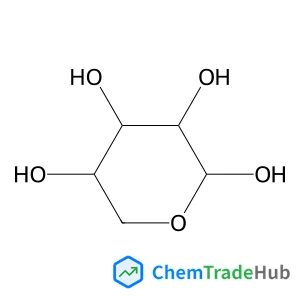
D-\u200bArabinose
CAS Number: 28697-53-2
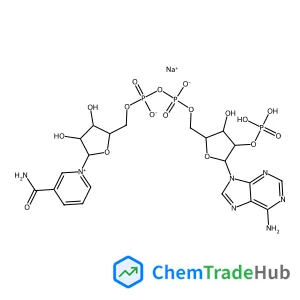
NADP sodium salt
CAS Number: 1184-16-3
![Benzenediazonium, 2-methyl-4-[2-(2-methylphenyl)diazenyl]-, sulfate (1:1)](https://static.chemtradehub.com/structs/101/101-89-3-9386.webp)
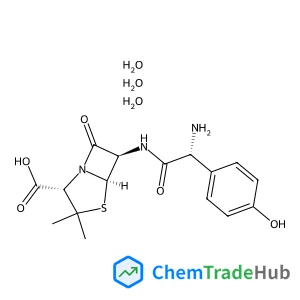
Amoxicillin trihydrate
CAS Number: 61336-70-7
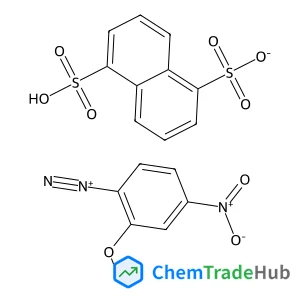
GELLAN GUM
CAS Number: 71010-52-1
Other Suppliers for Brilliant Cresyl blue (Technical Grade)





Basic Information
Molecular Formula
C34H42Cl4N8O2Zn
Molecular Weight
801.94 g/mol
EINECS
279-675-0
Physical Properties
Melting Point
233-236 °C(lit.)
Boiling Point
78 °C
Density
0.808
Flash Point
15 °C
Chemical Identifiers
SMILES
CCN(c1ccc2c(c1)[o+]c1c(n2)c(N)cc(c1C)N)CC.CCN(c1ccc2c(c1)[o+]c1c(n2)c(N)cc(c1C)N)CC.[Cl-].[Cl-].[Cl-].[Cl-].[Zn+2]
InChIKey
SIHASHFMDFXGSX-UHFFFAOYSA-J
Database References
MDL Number
MFCD00148902
Beilstein Registry Number
5690713
FAQ
Brilliant Cresyl blue (CAS: 81029-05-2) is regulated under the Globally Harmonized System of Classification and Labeling of Chemicals (GHS) as a toxic substance. It is subject to the REACH regulations in the EU, which require manufacturers to register substances above a certain tonnage. In the USA, it is regulated by the EPA and FDA for environmental and health safety. It is important to follow all local and national regulations regarding its handling, storage, and disposal.
Alternatives to Brilliant Cresyl blue include 2-Amino-5-(4-hydroxy-3-methoxyphenyl)-3-(2-naphthyl)benzene, which is a similar dye. Other dyes like Crystal Violet or Methyl Red can be used as substitutes in certain applications. It is important to consider the specific requirements of the synthesis process when choosing an alternative.
The market for Brilliant Cresyl blue (CAS: 81029-05-2) is stable, with increasing interest in its use for histological staining in research and medical diagnostics. Research trends include exploring its applications in bioimaging and developing more environmentally friendly alternatives. The price trend is generally steady, but may fluctuate due to raw material costs and supply chain disruptions.
Waste containing Brilliant Cresyl blue (CAS: 81029-05-2) should be collected in appropriate containers and stored separately to prevent spillage and contamination. It should be disposed of through a professional hazardous waste disposal service due to its toxicity. Precautions should include wearing protective gear and ensuring proper ventilation during handling. Follow local regulations and guidelines for hazardous waste disposal.
Safety Notice
Please verify product specifications and safety data before use. Contact the supplier for detailed safety information.
Always follow proper handling procedures
Contact Information
Contact Person
Liu Chunhui
info@hualanchem.com