



AD
Diphenidol(CAS: 972-02-1)
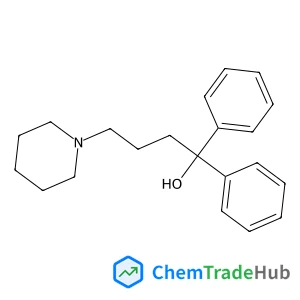
CAS Number
Related Products
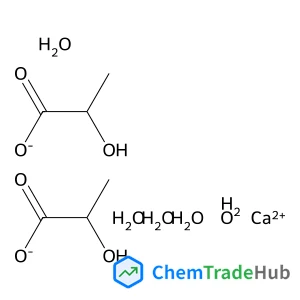
Calcium Lactate Pentahydrate
CAS Number: 5743-47-5
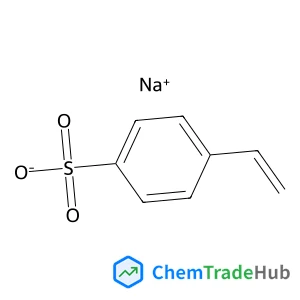
Sodium 4-vinylbenzenesulfonate
CAS Number: 2695-37-6
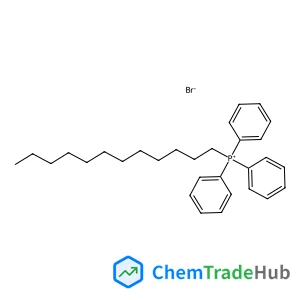
Dodecyl(triphenyl)phosphonium bromide
CAS Number: 15510-55-1
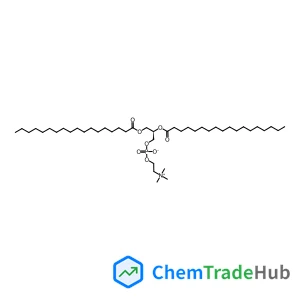
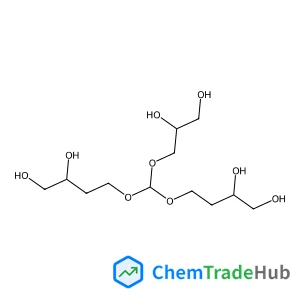
Poly(Propylene Glycol)
CAS Number: 25791-96-2
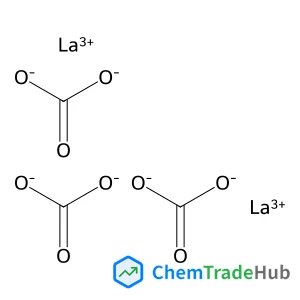
LANTHANUM CARBONATE
CAS Number: 587-26-8

Copper(1+) chloride
CAS Number: 1344-67-8
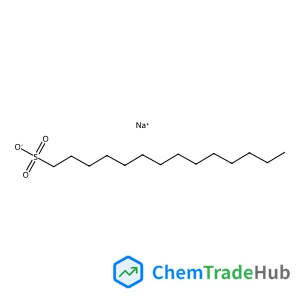
Sodium 1-tetradecanesulfonate
CAS Number: 6994-45-2
Tetramethyl methylenebis(phosphonate)
CAS Number: 16001-93-7
Other Suppliers for Diphenidol


Basic Information
Molecular Formula
C21H27NO
Molecular Weight
309.45 g/mol
Physical Properties
Melting Point
104-105°
Boiling Point
473.3°C at 760 mmHg
Density
1.0350 (rough estimate)
Flash Point
233.5 °C
Chemical Identifiers
SMILES
C1CCN(CC1)CCCC(C2=CC=CC=C2)(C3=CC=CC=C3)O
InChIKey
OGAKLTJNUQRZJU-UHFFFAOYSA-N
Database References
MDL Number
MFCD00057378
FAQ
Diphenidol (CAS: 972-02-1) is regulated under the Globally Harmonized System (GHS) for classification of chemicals, as well as European Chemicals Agency (ECHA) REACH regulations. FDA and EPA require specific labeling, documentation, and handling practices for this compound. It is crucial to adhere to local and international safety standards to ensure compliance and protect against potential hazards.
Diphenidol (CAS: 972-02-1) can be synthesized using various alternative reagents such as diphenylamine and 1,2-diphenylethylene. Researchers often explore isomers like 1-(2-phenylethyl)-1H-indole and other analogs to achieve similar properties. These alternatives can offer varying degrees of reactivity and selectivity, providing flexibility in synthetic pathways.
The market for Diphenidol (CAS: 972-02-1) is driven by its use in pharmaceuticals and research, particularly in antihistamine and antitussive applications. Recent trends indicate increasing interest in its potential for treating respiratory conditions. Research is focused on understanding its pharmacological properties and exploring its use in combination therapies. Market dynamics suggest ongoing demand, with potential for growth in specialized therapeutic areas.
Waste containing Diphenidol (CAS: 972-02-1) should be collected in appropriate containers and stored in a well-ventilated area. Incineration or professional waste disposal is recommended to ensure safe disposal. Environmental precautions include proper containment to prevent accidental release. Disposal should comply with local regulations to minimize environmental impact and ensure safety.
Safety Notice
Please verify product specifications and safety data before use. Contact the supplier for detailed safety information.
Always follow proper handling procedures
Contact Information
Contact Person
Manager Shi
1373640151@qq.com