



AD
N-Phenylglycine(CAS: 103-01-5)
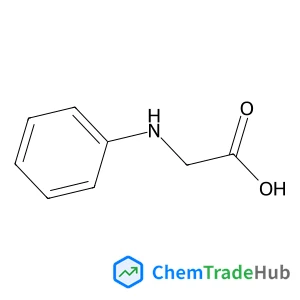
CAS Number
Related Products
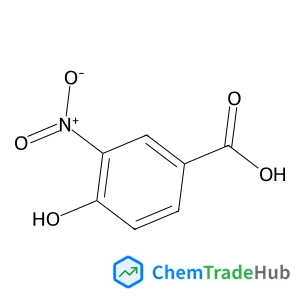
4-Hydroxy-3-nitrobenzoic acid
CAS Number: 616-82-0
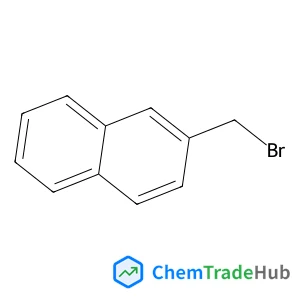
2-(Bromomethyl)naphthalene
CAS Number: 939-26-4
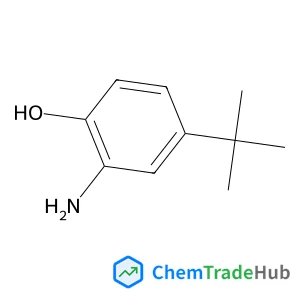
2-Amino-4-(2-methyl-2-propanyl)phenol
CAS Number: 1199-46-8
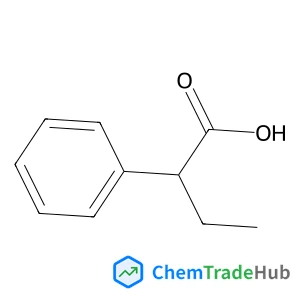
2-Phenylbutanoic acid
CAS Number: 90-27-7
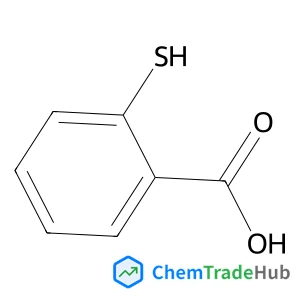
2-Sulfanylbenzoic acid
CAS Number: 147-93-3
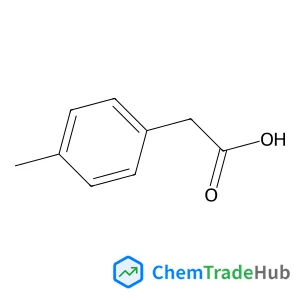
(4-Methylphenyl)acetic acid
CAS Number: 622-47-9
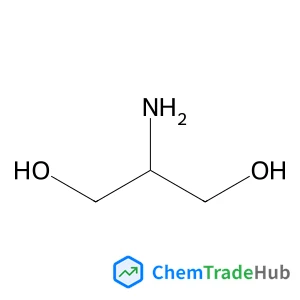
2-Amino-1,3-propanediol
CAS Number: 534-03-2
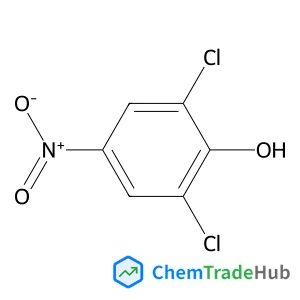
2,6-Dichloro-4-nitrophenol
CAS Number: 618-80-4
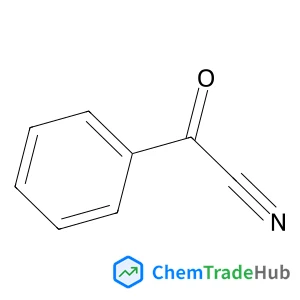
Oxo(phenyl)acetonitrile
CAS Number: 613-90-1
Other Suppliers for N-Phenylglycine







Basic Information
Molecular Formula
C8H9NO2
Molecular Weight
151.17 g/mol
Physical State
Pale-yellow to Yellow-brown Solid
Physical Properties
Melting Point
121-123 °C (lit.)
Boiling Point
359.0±25.0℃ at 760 mmHg
Chemical Identifiers
SMILES
C1=CC=C(C=C1)NCC(=O)O
InChIKey
NPKSPKHJBVJUKB-UHFFFAOYSA-N
Database References
MDL Number
MFCD00014009
Beilstein Registry Number
509838
FAQ
N-Phenylglycine is a chemical compound with the CAS number 103-01-5. It has the molecular formula C9H11NO2 and is a white crystalline solid. It is commonly used as an intermediate in the synthesis of various pharmaceuticals and organic compounds. The compound is known for its ability to form salts and its reactivity in chemical reactions, making it valuable in both industrial and research settings.
N-Phenylglycine is primarily used in the pharmaceutical industry as a building block for the synthesis of drugs and chiral compounds. It also finds applications in organic synthesis, dye manufacturing, and as a component in research involving enzyme inhibitors and bioactive molecules. Additionally, it is used in the production of certain pesticides and as a precursor for other nitrogen-containing compounds.
N-Phenylglycine is generally considered safe when handled properly. However, it should be used with appropriate safety measures, such as wearing gloves, goggles, and a lab coat, to prevent skin and eye contact. Inhalation of its dust should be avoided. It is advisable to follow OSHA and EPA guidelines for safe handling and disposal. As with any chemical, it is important to understand its potential hazards and use it in a controlled environment.
N-Phenylglycine should be stored in a cool, dry, and well-ventilated area, away from moisture and direct sunlight. It is best kept in a sealed container made of glass or plastic to maintain stability. Storage conditions should be maintained at temperatures below 25°C and humidity levels below 60% to prevent degradation. Always store it in a safe location, away from incompatible substances and heat sources.
Safety Notice
Please verify product specifications and safety data before use. Contact the supplier for detailed safety information.
Always follow proper handling procedures
Contact Information
Contact Person
Ms. Guo