



AD
n-Propyl Acrylate(CAS: 925-60-0)
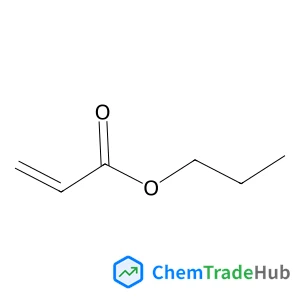
CAS Number
Related Products
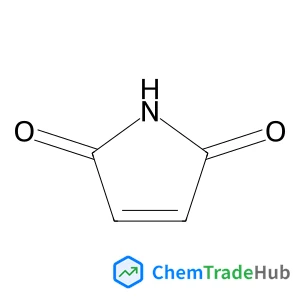
5-Hydroxy-2H-pyrrol-2-one
CAS Number: 541-59-3
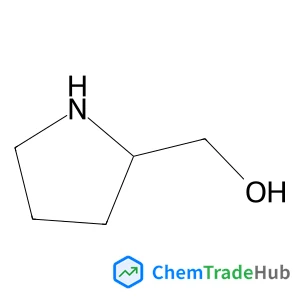
Avanafil Impurity 62
CAS Number: 23356-96-9
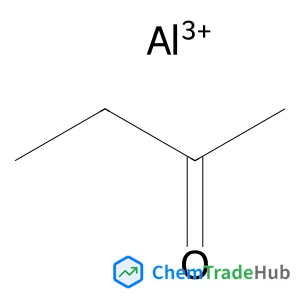
Aluminum Sec-Butoxide
CAS Number: 2269-22-9
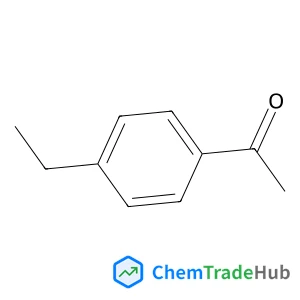
4-Ethylacetophenone
CAS Number: 937-30-4
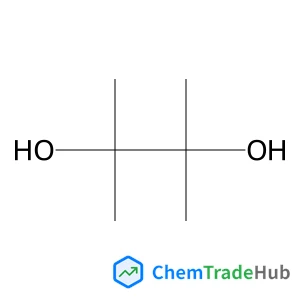
![1-[(1-Butoxy-2-propanyl)oxy]-2-propanol](https://static.chemtradehub.com/structs/299/29911-28-2-847c.webp)
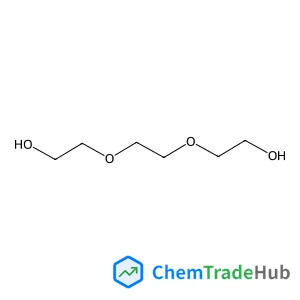
PEG300
CAS Number: 25322-68-3
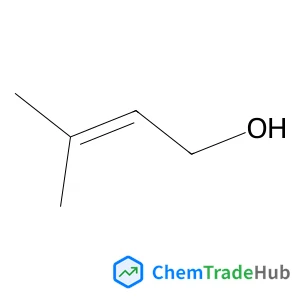
3-Methyl-2-buten-1-ol
CAS Number: 556-82-1
Other Suppliers for n-Propyl Acrylate





Basic Information
Molecular Formula
C6H10O2
Molecular Weight
114.14 g/mol
Physical Properties
Melting Point
37.22°C (estimate)
Boiling Point
43-44°C 40mm
Density
0,92 g/cm3
Flash Point
24°C
Water Solubility
Immiscible with water.
Chemical Identifiers
SMILES
CCCOC(=O)C=C
InChIKey
PNXMTCDJUBJHQJ-UHFFFAOYSA-N
Database References
MDL Number
MFCD00048693
Beilstein Registry Number
1744954
FAQ
n-Propyl Acrylate (CAS 925-60-0) is a colorless to slightly yellow liquid with a slight acrid odor. It has a molecular weight of approximately 102.13 g/mol. The compound is soluble in water and most organic solvents. It is reactive towards water and strong acids, making it susceptible to hydrolysis. It exhibits good adhesion and is often used in polymerization reactions.
n-Propyl Acrylate (CAS 925-60-0) is typically synthesized by the reaction of propionaldehyde with acryloyl chloride. This process can be catalyzed by a Lewis acid such as aluminum chloride. The reaction is exothermic and should be done under controlled conditions to ensure yield and selectivity. The final product is purified by distillation.
n-Propyl Acrylate (CAS 925-60-0) is widely used in the polymer industry, particularly in the production of acrylic resins and coatings. It is also used in the pharmaceutical industry for the synthesis of medicaments, in the electronics industry for semiconductor applications, and in the sensor industry for various sensors due to its chemical reactivity and stability.
When handling n-Propyl Acrylate (CAS 925-60-0), appropriate personal protective equipment (PPE) should be worn, including safety goggles, gloves, and a lab coat. It should be stored in a cool, dry place away from direct sunlight and sources of ignition. Spills should be handled carefully; use appropriate containment and disposal methods as per the Material Safety Data Sheet (SDS). Work should be conducted in a well-ventilated area or fume hood to avoid inhalation of vapors.
Safety Notice
Please verify product specifications and safety data before use. Contact the supplier for detailed safety information.
Always follow proper handling procedures