



AD
N-Methylethanamine(CAS: 624-78-2)
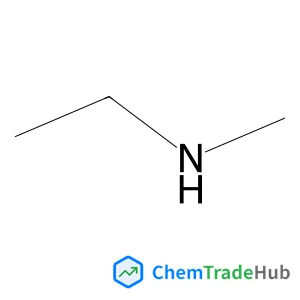
CAS Number
Related Products
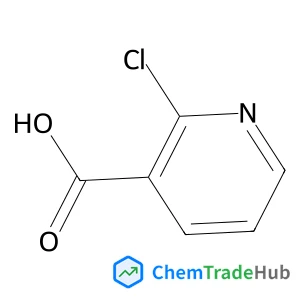
2-Chloronicotinic acid
CAS Number: 2942-59-8
![carbonyl dichloride;2,6-dibromo-4-[2-(3,5-dibromo-4-hydroxyphenyl)propan-2-yl]phenol;4-[2-(4-hydroxyphenyl)propan-2-yl]phenol](https://static.chemtradehub.com/structs/328/32844-27-2-3f97.webp)
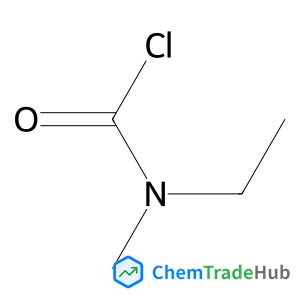
Ethyl(methyl)carbamic chloride
CAS Number: 42252-34-6
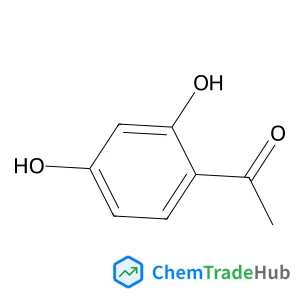
1-(2,4-Dihydroxyphenyl)ethanone
CAS Number: 89-84-9
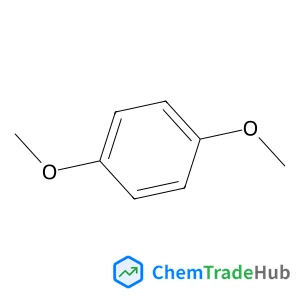
1,4-Dimethoxybenzene
CAS Number: 150-78-7
![{5-[(3-Methyl-2-buten-1-yl)oxy]-2-[(2E)-3-{4-[(3-methyl-2-buten-1-yl)oxy]phenyl}-2-propenoyl]phenoxy}acetic acid](https://static.chemtradehub.com/structs/645/64506-49-6-983f.webp)
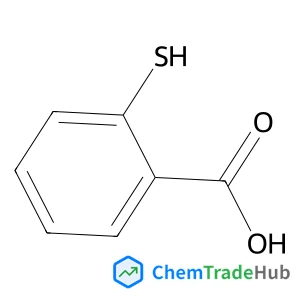
2-Sulfanylbenzoic acid
CAS Number: 147-93-3
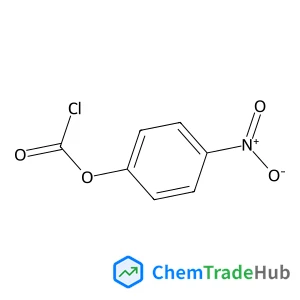
4-Nitrophenyl carbonochloridate
CAS Number: 7693-46-1
Other Suppliers for N-Methylethanamine




Basic Information
Molecular Formula
C3H9N
Molecular Weight
59.11 g/mol
EINECS
210-862-1
Physical Properties
Melting Point
-70.99°C (estimate)
Boiling Point
35°C(lit.)
Density
0.688 g/mL at 25 °C(lit.)
Chemical Identifiers
SMILES
CCNC
InChIKey
LIWAQLJGPBVORC-UHFFFAOYSA-N
Database References
MDL Number
MFCD00009030
Beilstein Registry Number
1730786
FAQ
N-Methylethanamine (CAS: 624-78-2) is a colorless to slightly yellowish liquid at room temperature. It has a pungent, fishy odor. Its molecular weight is approximately 59.10 g/mol. N-Methylethanamine is moderately soluble in water and ethanol. It is highly reactive, particularly under basic conditions, and can undergo nucleophilic substitution and alkylation reactions.
N-Methylethanamine is typically synthesized by the reaction of methylamine with ethanal (acetaldehyde). The synthesis involves the nucleophilic addition of methylamine to the carbonyl group of ethanal, followed by reduction to form N-methylethanamine. Common catalysts include palladium on carbon, and the reaction is carried out in the presence of a base like sodium hydroxide to ensure high yield and selectivity.
N-Methylethanamine (CAS: 624-78-2) is widely used in the pharmaceutical, polymer, and semiconductor industries. It serves as a precursor in the synthesis of various pharmaceuticals, acts as a cross-linking agent in polymer synthesis, and is used in the production of semiconductors due to its ability to form stable films on surfaces.
When handling N-Methylethanamine (CAS: 624-78-2), it is essential to use personal protective equipment (PPE) such as gloves, goggles, and a lab coat. Work should be conducted in a fume hood due to its pungent odor and potential for respiratory irritation. Spills should be immediately neutralized with a base and thoroughly cleaned. Always refer to the SDS for detailed information on handling, storage, and disposal.
Safety Notice
Please verify product specifications and safety data before use. Contact the supplier for detailed safety information.
Always follow proper handling procedures
Contact Information
bhchem1@gmail.com