



AD
1-(Dimethylamino)cyclohexanecarbonitrile(CAS: 16499-30-2)

CAS Number
Related Products


3-Bromo-6-hydrazinyl-2-methylpyridine
CAS Number: 39919-66-9
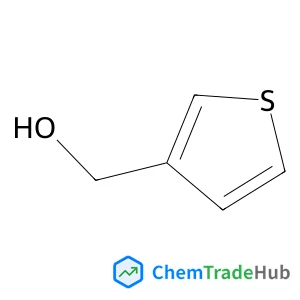
3-Thienylmethanol
CAS Number: 71637-34-8

3-Methoxy-N1-phenylbenzene-1,4-diamine
CAS Number: 5840-10-8

![5-Isoquinolinesulfonamide, N-[2-[[3-(4-bromophenyl)-2-propen-1-yl]amino]ethyl]-](https://static.chemtradehub.com/structs/127/127243-85-0-0f72.webp)

Oridonin
CAS Number: 28957-04-2
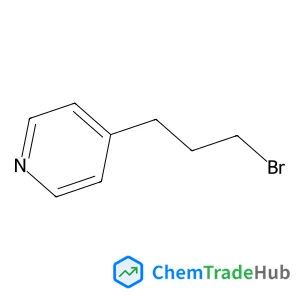
4-(3-Bromopropyl)pyridine
CAS Number: 40337-66-4

Other Suppliers for 1-(Dimethylamino)cyclohexanecarbonitrile






Basic Information
Molecular Formula
C9H16N2
Molecular Weight
141.26 g/mol
Physical Properties
Melting Point
30 ºC
Boiling Point
112-113 ºC (17 Torr)
Flash Point
95.7±11.9 ºC,
Chemical Identifiers
SMILES
CN(C)C1(CCCCC1)C#N
InChIKey
SDHHZJUUIBWPPN-UHFFFAOYSA-N
Database References
MDL Number
MFCD00086186
FAQ
1-(Dimethylamino)cyclohexanecarbonitrile is a colorless to light yellow oil. It has a molecular weight of approximately 166.24 g/mol and a boiling point of 125-127°C. Its solubility in water is very low (less than 1 mg/L), but it is soluble in organic solvents like methanol, ethanol, and acetone. This compound is relatively stable under normal conditions but may undergo hydrolysis in basic media. It reacts with nucleophiles and can undergo electrophilic substitution reactions.
1-(Dimethylamino)cyclohexanecarbonitrile is usually synthesized by the reaction of cyclohexanecarbonitrile with dimethylamine in the presence of a catalyst such as hydrochloric acid. The reaction is exothermic and typically proceeds with good yield. The catalyst helps to improve the reaction selectivity and shorten the reaction time. The crude product can be purified by recrystallization from a suitable solvent.
1-(Dimethylamino)cyclohexanecarbonitrile is primarily used in the pharmaceutical industry as an intermediate in the synthesis of various drugs. It is also utilized in the polymer industry for the modification of polymers, and in the sensor industry for the development of chemical sensors. Additionally, it can be used in the semiconductor industry for certain electronic applications.
Proper personal protective equipment (PPE) should be used when handling 1-(Dimethylamino)cyclohexanecarbonitrile. This includes gloves, safety goggles, and a lab coat. It should be handled in a well-ventilated area or under a fume hood due to its potential to release toxic fumes during certain reactions. Spills should be cleaned up carefully, following standard safety procedures. Always refer to the Safety Data Sheet (SDS) for specific handling instructions and emergency protocols.
Safety Notice
Please verify product specifications and safety data before use. Contact the supplier for detailed safety information.
Always follow proper handling procedures
Contact Information
2355265332@qq.com