



AD
Aspartame(CAS: 22839-47-0)
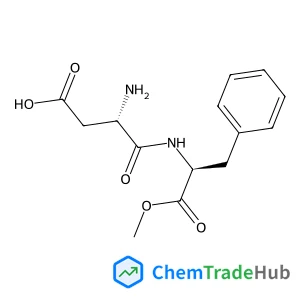
CAS Number
Related Products
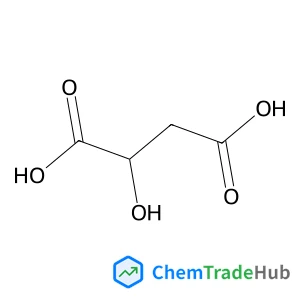
Malic acid
CAS Number: 617-48-1
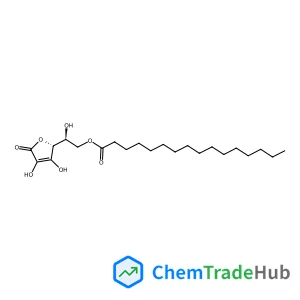
Ascorbyl Palmitate
CAS Number: 137-66-6
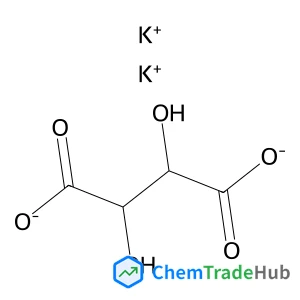
Dipotassium;2,3-dihydroxybutanedioate
CAS Number: 921-53-9

CID 91095070
CAS Number: 9000-36-6
![3-{13-Hydroxy-13-[5'-(1-hydroxyundecyl)octahydro-2,2'-bifuran-5-yl]-3-methyltridecyl}-5-methyl-2(5H)-furanone](https://static.chemtradehub.com/structs/901/9012-00-4-82ef.webp)
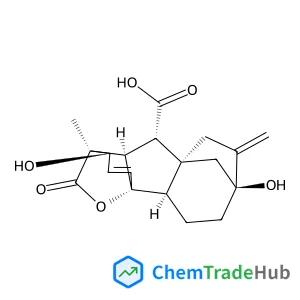
Gibberellic acid
CAS Number: 77-06-5
Other Suppliers for Aspartame


Basic Information
Molecular Formula
C14H18N2O5
Molecular Weight
294.31 g/mol
Physical State
Powder
Physical Properties
Melting Point
248-250 ºC
Boiling Point
535.8°C at 760 mmHg
Water Solubility
Soluble in formic acid, dimethyl sulfoxide. Sparingly soluble in water and ethanol.
Chemical Identifiers
SMILES
COC(=O)[C@@H](NC(=O)[C@H](CC(=O)O)N)Cc1ccccc1
InChIKey
IAOZJIPTCAWIRG-QWRGUYRKSA-N
Database References
MDL Number
MFCD00002724
Beilstein Registry Number
2223850
FAQ
Aspartame is an artificial sweetener with the chemical formula C14H18N2O5. It is a dipeptide composed of aspartic acid and phenylalanine, with a methyl ester group. Known for its intense sweetness and low caloric content, aspartame is widely used in food and beverages. It is stable under normal conditions but can degrade when exposed to heat or moisture. Aspartame is also used in pharmaceuticals as a flavoring agent.
Aspartame is primarily used as a low-calorie sweetener in food, beverages, and pharmaceutical products. It is commonly found in diet sodas, chewing gum, and tabletop sweeteners. In the pharmaceutical industry, it is used to improve the taste of medications. Additionally, it serves as a research compound for studying sweet taste mechanisms and metabolic effects. Its high sweetness intensity and stability make it a popular alternative to sugar.
Aspartame is considered safe for consumption by regulatory agencies like the FDA and EFSA, with approved daily intake levels. However, individuals with phenylketonuria (PKU) should avoid it due to its phenylalanine content. Proper handling is necessary to prevent exposure to moisture or heat, which can affect its stability. Safety guidelines emphasize following recommended usage and storage practices to ensure optimal performance and safety.
Aspartame should be stored in a cool, dry, and dark place to maintain its stability and prevent degradation. It is best kept in a sealed container at temperatures below 25°C and humidity levels below 60%. Avoid exposure to light, heat, or moisture to preserve its potency. Storage conditions significantly impact its shelf life and effectiveness as a sweetener.
Safety Notice
Please verify product specifications and safety data before use. Contact the supplier for detailed safety information.
Always follow proper handling procedures