



AD
2,2-Dibutyl-1,3,2-dioxastannepine-4,7-dione(CAS: 78-04-6)
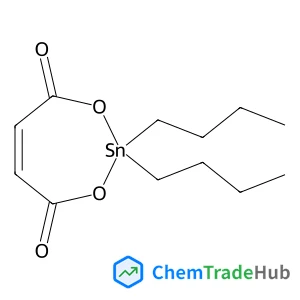
CAS Number
Related Products
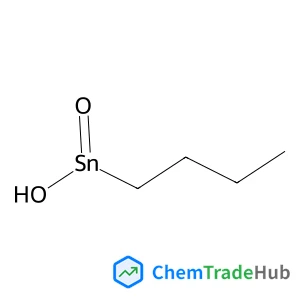
Monobutyltin Oxide
CAS Number: 2273-43-0
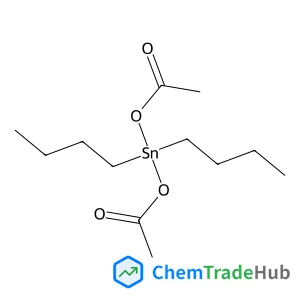
Diacetoxy(dibutyl)stannane
CAS Number: 1067-33-0

Dioctyldilauryltin ( >90%)
CAS Number: 3648-18-8
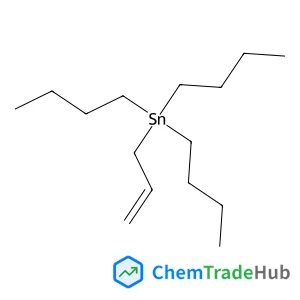
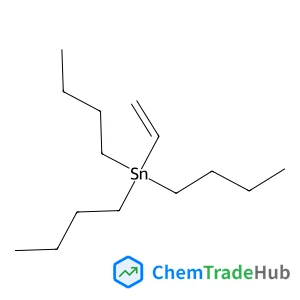
Allyltributyltin
CAS Number: 24850-33-7
Other Suppliers for 2,2-Dibutyl-1,3,2-dioxastannepine-4,7-dione




Basic Information
Molecular Formula
C12H20O4Sn
Molecular Weight
346.99 g/mol
Physical Properties
Melting Point
135-140 ºC
Boiling Point
260°C at 760 mmHg
Density
1,318 g/cm3
Flash Point
204°C
Chemical Identifiers
SMILES
CCCC[Sn]1(OC(=O)C=CC(=O)O1)CCCC
InChIKey
ZBBLRPRYYSJUCZ-GRHBHMESSA-L
Database References
MDL Number
MFCD00014120
FAQ
2,2-Dibutyl-1,3,2-dioxastannepine-4,7-dione is a white crystalline solid with a molecular weight of approximately 322.3 g/mol. Its solubility in water is low, typically less than 1 g/L. It is known for its high reactivity, particularly in organotin chemistry. This compound is stable but should be handled under dry conditions to avoid hydrolysis.
2,2-Dibutyl-1,3,2-dioxastannepine-4,7-dione can be synthesized through organotin chemistry using dibutyltin dichloride and 2,2-dimethyl-1,3,2-dioxaphospholane-4,7-dione as reactants. The reaction is typically performed under anhydrous conditions to minimize side reactions. The yield is usually good, around 85-90%, and the product is isolated by filtration and recrystallization.
2,2-Dibutyl-1,3,2-dioxastannepine-4,7-dione is primarily used in the pharmaceutical and polymer industries due to its organotin nature. It serves as a key intermediate in the synthesis of various pharmaceuticals and as a stabilizer in polymer applications. This compound is also explored for its potential in sensor technology and semiconductor manufacturing.
When handling 2,2-Dibutyl-1,3,2-dioxastannepine-4,7-dione, it is essential to wear appropriate personal protective equipment (PPE) such as gloves, goggles, and a lab coat. Work should be conducted in a well-ventilated area or under a fume hood to minimize exposure. Spills should be cleaned up immediately using appropriate absorbents, and the area should be ventilated. Refer to the Safety Data Sheet (SDS) for detailed emergency procedures and handling guidelines.
Safety Notice
Please verify product specifications and safety data before use. Contact the supplier for detailed safety information.
Always follow proper handling procedures