



AD
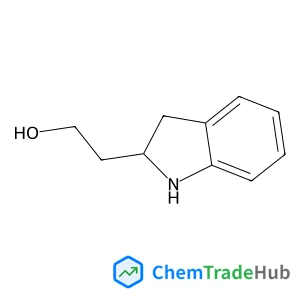
2-(2,3-dihydro-1H-indol-2-yl)ethan-1-ol(CAS: 76953-90-7)
CAS Number
Related Products
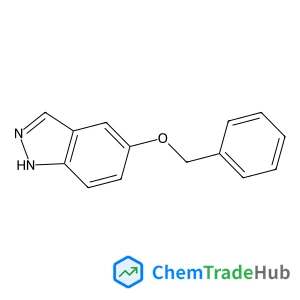
5-(Benzyloxy)-1H-indazole
CAS Number: 78299-75-9
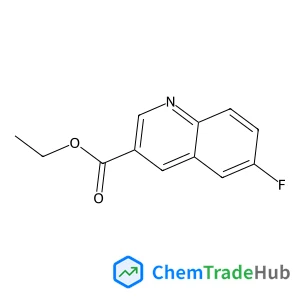
Ethyl 6-fluoro-3-quinolinecarboxylate
CAS Number: 71083-14-2
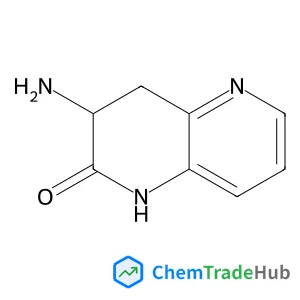
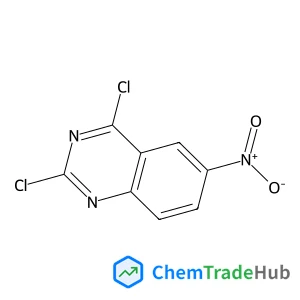
2,4-Dichloro-6-nitroquinazoline
CAS Number: 74173-77-6
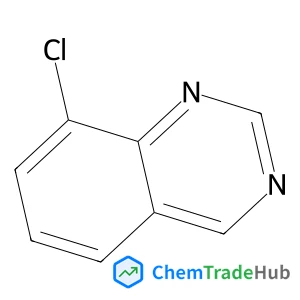
8-Chloroquinazoline
CAS Number: 7557-04-2
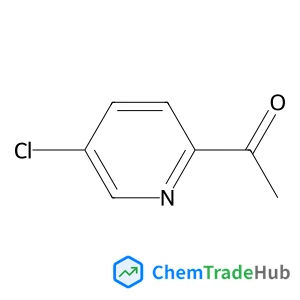
1-(5-Chloro-2-pyridinyl)ethanone
CAS Number: 94952-46-2
Other Suppliers for 2-(2,3-dihydro-1H-indol-2-yl)ethan-1-ol


Basic Information
Molecular Formula
C10H13NO
Molecular Weight
163.22 g/mol
Physical Properties
Density
1.090±0.06 g/cm3 (20 ºC 760 Torr),
Chemical Identifiers
SMILES
C1C(NC2=CC=CC=C21)CCO
InChIKey
ICYMEVFLUWNLLX-UHFFFAOYSA-N
Database References
MDL Number
MFCD28679403
FAQ
The compound 2-(2,3-dihydro-1H-indol-2-yl)ethan-1-ol (CAS: 76953-90-7) must comply with the Globally Harmonized System of Classification and Labelling of Chemicals (GHS) for hazard communication. It also needs to adhere to REACH regulations in the EU, which include registration requirements for substances used in various applications. FDA and EPA regulations apply in the United States for the handling and disposal of this compound in pharmaceutical and environmental contexts.
Alternative reagents such as 2-(2,3-dihydro-1H-indol-2-yl)ethanol derivatives or other indole-based compounds can be used as alternatives in synthesis. These include isomers and analogs like 2-(1H-indol-2-yl)ethanol or 2-(2,3-dihydro-1H-indol-2-yl)methanol. These alternatives offer similar functionalities and can be chosen based on the specific requirements of the synthesis process.
The market for 2-(2,3-dihydro-1H-indol-2-yl)ethan-1-ol (CAS: 76953-90-7) is driven by its applications in pharmaceuticals, particularly in the development of indole-based drugs. Research trends focus on its role as a precursor in medicinal chemistry, its bioactivity, and its potential in developing new therapies. Emerging studies also explore its use in agrochemicals and as an intermediate in organic synthesis.
Waste containing 2-(2,3-dihydro-1H-indol-2-yl)ethan-1-ol (CAS: 76953-90-7) should be collected in appropriate containers and disposed of through professional waste management services. Incineration is a common method, but adherence to local regulations is essential. Environmental protection precautions include minimizing exposure to waterways and ensuring that waste is treated to reduce toxicity before disposal. Proper labeling and documentation are required to comply with regulatory requirements.
Safety Notice
Please verify product specifications and safety data before use. Contact the supplier for detailed safety information.
Always follow proper handling procedures
Contact Information
sales@latcheminc.com