



AD
3,5-Dimethyl-4-(methylthio)phenol(CAS: 7379-51-3)

CAS Number
Related Products
![2-Methyl-2-propanyl [(2R)-1-hydroxy-2-propanyl]carbamate](https://static.chemtradehub.com/structs/106/106391-86-0-8397.webp)

3-Bromo-2,2-bis(bromomethyl)-1-propanol
CAS Number: 1522-92-5
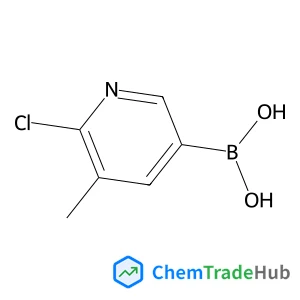
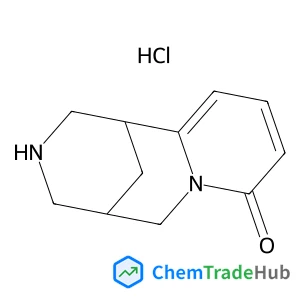
Cytisine hydrochloride
CAS Number: 6047-01-4
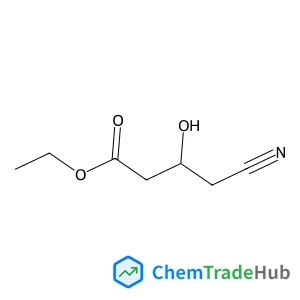
Atorvastatin Impurity 55
CAS Number: 141942-85-0

3-Hydroxy-D-tyrosine
CAS Number: 5796-17-8
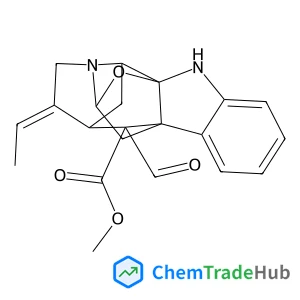
Picralinal
CAS Number: 20045-06-1

D-Arabinose
CAS Number: 9032-75-1
![(3aS,9R,9aS,9bS)-9-Hydroxy-6,9-dimethyl-3-methylene-3a,4,5,7,8,9,9a,9b-octahydroazuleno[4,5-b]furan-2(3H)-one](https://static.chemtradehub.com/structs/683/68370-47-8-daf4.webp)
Other Suppliers for 3,5-Dimethyl-4-(methylthio)phenol



Basic Information
Molecular Formula
C9H12OS
Molecular Weight
168.26 g/mol
Physical Properties
Boiling Point
267.9 °C at 760 mmHg
Density
1.12
Flash Point
130.8 °C
Chemical Identifiers
SMILES
CC1=CC(=CC(=C1SC)C)O
InChIKey
JGFZITGNFAVSKU-UHFFFAOYSA-N
Database References
MDL Number
MFCD01707476
FAQ
3,5-Dimethyl-4-(methylthio)phenol (CAS: 7379-51-3) falls under the GHS classification as a category 2 skin corrosion/irritation. It is subject to REACH regulations, which require manufacturers and importers to register substances with the European Chemicals Agency (ECHA) if the tonnage threshold is exceeded. Additionally, the FDA and EPA may have specific requirements for handling and disposal in the United States, particularly concerning environmental protection and worker safety.
Yes, there are alternatives to 3,5-Dimethyl-4-(methylthio)phenol in synthesis. For instance, 3,5-Dimethyl-4-thioanisole can be used as a similar compound. Other alternatives include using 4-(methylthio)toluene or its isomeric forms. These alternatives offer similar functionalities but may have different reactivity and solubility properties.
The market for 3,5-Dimethyl-4-(methylthio)phenol is currently stable, with growing research interest in its use as a precursor in pharmaceuticals and agrochemicals. Recent studies have explored its potential in developing novel drugs and pesticides. Pricing trends indicate a steady demand, though fluctuations may occur due to supply chain and regulatory changes. Emerging research fields are focusing on its environmental impact and safe disposal methods.
Waste containing 3,5-Dimethyl-4-(methylthio)phenol should be collected in appropriate containers and stored in a well-ventilated area away from heat and sources of ignition. Proper incineration or professional waste disposal services should be utilized to ensure safe disposal. Environmental protection must be a priority, and precautions should include proper handling to avoid contamination of soil and water. Compliance with local and national waste management regulations is essential.
Safety Notice
Please verify product specifications and safety data before use. Contact the supplier for detailed safety information.
Always follow proper handling procedures
Contact Information
2423903095@qq.com