



AD
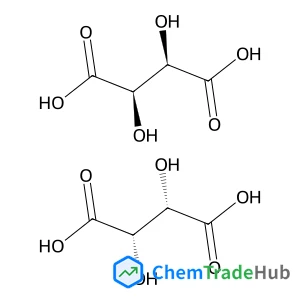
Butanedioic acid, 2,3-dihydroxy-, (2R,3R)-rel-(CAS: 133-37-9)
CAS Number
Related Products
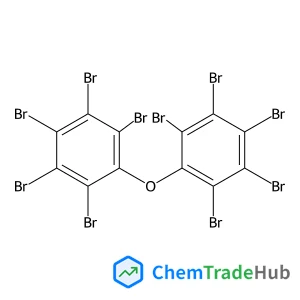
1,1'-Oxybis(pentabromobenzene)
CAS Number: 1163-19-5
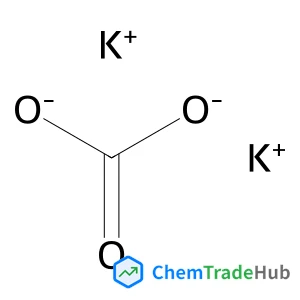
Dipotassium carbonate
CAS Number: 584-08-7
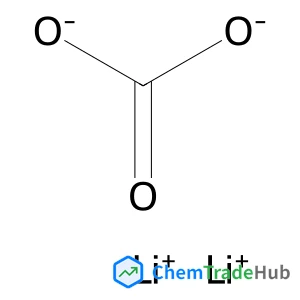
Dilithium carbonate
CAS Number: 554-13-2
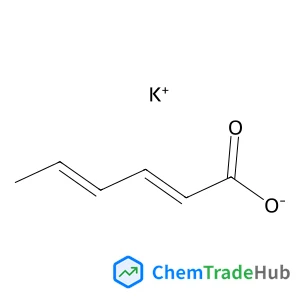
Potassium (2E,4E)-2,4-hexadienoate
CAS Number: 24634-61-5
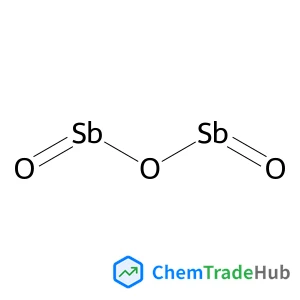
Dioxodistiboxane
CAS Number: 1309-64-4
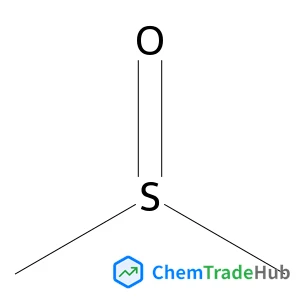
(Methylsulfinyl)methane
CAS Number: 67-68-5
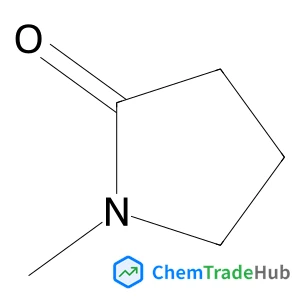
1-Methyl-2-pyrrolidinone
CAS Number: 872-50-4
Other Suppliers for Butanedioic acid, 2,3-dihydroxy-, (2R,3R)-rel-



Basic Information
Molecular Formula
C8H12O12
Molecular Weight
300.17 g/mol
Physical Properties
Melting Point
210-212 °C (lit.)
Boiling Point
191.59°C (rough estimate)
Chemical Identifiers
SMILES
O[C@@H]([C@@H](C(=O)O)O)C(=O)O.O[C@H]([C@H](C(=O)O)O)C(=O)O
InChIKey
SXFBQAMLJMDXOD-AWYRBWEBSA-N
Database References
MDL Number
MFCD00071626
Beilstein Registry Number
1725148
FAQ
Butanedioic acid, 2,3-dihydroxy-, (2R,3R)-rel-, also known as DL-tartaric acid, is a dicarboxylic acid with two hydroxyl groups. Its chemical formula is C4H6O6. This compound is a white, crystalline solid with a tart taste, commonly used as a chelating agent. It exhibits optical activity and is widely applied in pharmaceuticals, food, and industrial sectors. DL-tartaric acid is stable under normal conditions and has a key role in stabilizing formulations and adjusting pH in various applications.
DL-tartaric acid (CAS: 133-37-9) is primarily used in pharmaceuticals as a stabilizer and antioxidant. In the food industry, it acts as a preservative and acidulant, enhancing flavor and texture. Industrially, it serves as a chelating agent for metal processing and coatings. It is also employed in wine production to adjust pH and in research for studying stereochemistry. Its versatility makes it a key compound in multiple applications, including drug formulation and chemical synthesis.
DL-tartaric acid (CAS: 133-37-9) is generally safe when used within regulated limits. It is approved by the FDA for food use and has low toxicity. However, high concentrations may cause irritation. Handling precautions include wearing gloves, goggles, and ensuring proper ventilation. Safety standards emphasize avoiding ingestion and skin contact. Always follow manufacturer guidelines for safe handling and use in industrial or research settings.
DL-tartaric acid (CAS: 133-37-9) should be stored in a cool, dry place, away from moisture and light. Keep in airtight containers to prevent degradation. Maintain storage temperature between 15-25°C and avoid exposure to humid environments. Ensure proper labeling and store away from incompatible substances. Stability is optimal under these conditions, ensuring long shelf life and preserving its chemical properties.
Safety Notice
Please verify product specifications and safety data before use. Contact the supplier for detailed safety information.
Always follow proper handling procedures
Contact Information
Contact Person
Xi Junqiu