



AD
3-Piperidinylacetic acid(CAS: 74494-52-3)
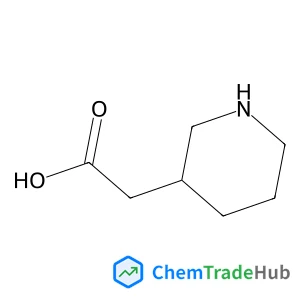
CAS Number
Related Products
![(1-{[(2-Methyl-2-propanyl)oxy]carbonyl}-3-piperidinyl)acetic acid](https://static.chemtradehub.com/structs/183/183483-09-2-ecc0.webp)
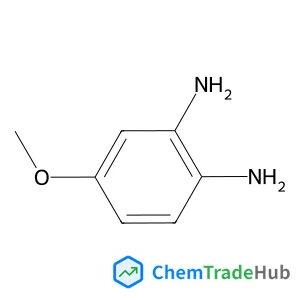
3,4-Diaminoanisole
CAS Number: 102-51-2
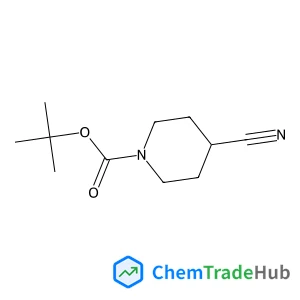
1-Boc-4-cyanopiperidine
CAS Number: 91419-52-2
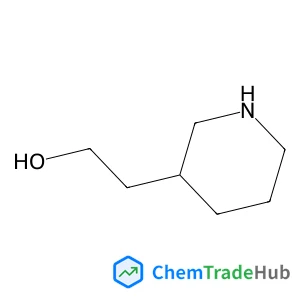
2-(piperidin-3-yl)ethan-1-ol
CAS Number: 73579-06-3
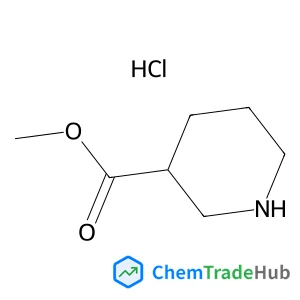
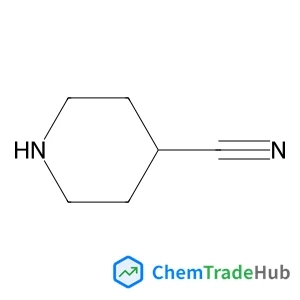
4-Piperidinecarbonitrile
CAS Number: 4395-98-6
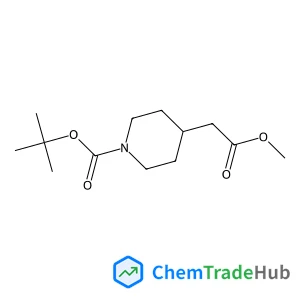
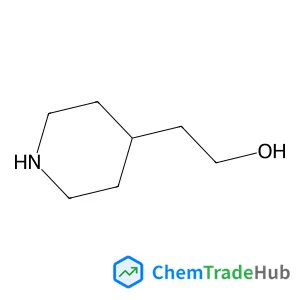
2-(4-Piperidinyl)ethanol
CAS Number: 622-26-4
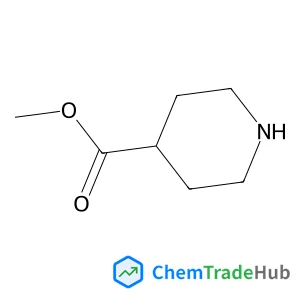
Methyl 4-piperidinecarboxylate
CAS Number: 2971-79-1
Other Suppliers for 3-Piperidinylacetic acid





Basic Information
Molecular Formula
C7H13NO2
Molecular Weight
143.19 g/mol
Physical Properties
Melting Point
276-278 ºC
Boiling Point
286.8±13.0 ºC (760 Torr),
Density
1.063±0.06 g/cm3 (20 ºC 760 Torr),
Flash Point
127.3±19.8 ºC,
Chemical Identifiers
SMILES
C1CC(CNC1)CC(=O)O
InChIKey
WKXRHAACRPUBIC-UHFFFAOYSA-N
Database References
MDL Number
MFCD06410646
FAQ
3-Piperidinylacetic acid (CAS: 74494-52-3) falls under the scope of various regulatory guidelines including GHS (Globally Harmonized System of Classification and Labeling of Chemicals), REACH (Registration, Evaluation, Authorization and Restriction of Chemicals) in the EU, and FDA/EPA requirements in the US. It is classified as a skin and respiratory irritant. Producers and importers must ensure compliance with these regulations for safe handling, storage, and disposal.
Several alternatives can be used in the synthesis of 3-Piperidinylacetic acid, such as 2-piperidinylacetic acid and 4-piperidinylacetic acid. These compounds are structurally similar and can serve as viable substitutes. Other synthetic routes may also involve using different functional groups or reactants to achieve the same product.
The market for 3-Piperidinylacetic acid is growing due to its applications in pharmaceuticals, cosmetics, and agriculture. Research trends indicate increasing interest in its use as a raw material for developing new drugs and personal care products. Demand is expected to rise with ongoing studies on its biological activities and potential health benefits.
Waste containing 3-Piperidinylacetic acid should be collected in appropriate containers and stored separately to avoid contamination. Proper incineration or professional waste disposal services should be utilized. Environmental protection precautions include minimizing exposure during handling and disposing of waste in accordance with local environmental regulations to prevent ecological harm.
Safety Notice
Please verify product specifications and safety data before use. Contact the supplier for detailed safety information.
Always follow proper handling procedures
Contact Information
Contact Person
Mr. Zhou