



AD
Methyl 2-(4-isopropyl-4-methyl-5-oxo-4,5-dihydro-1H-imidazol-2-yl)-4-methylbenzoate - methyl 2-(4-isopropyl-4-methyl-5-oxo-4,5-dihydro-1H-imidazol-2-yl)-5-methylbenzoate (1:1)(CAS: 81405-85-8)
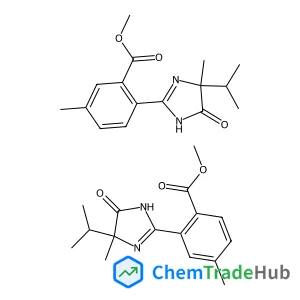
CAS Number
Related Products
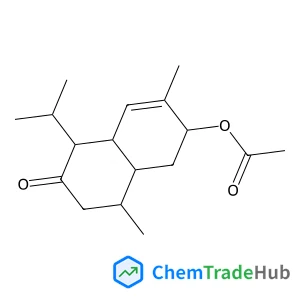
3-Acetoxy-4-cadinen-8-one
CAS Number: 923950-05-4
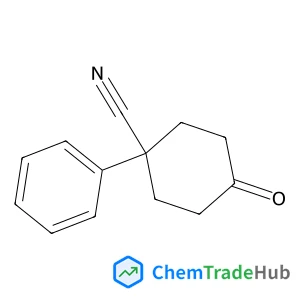
4-Oxo-1-phenylcyclohexanecarbonitrile
CAS Number: 25115-74-6
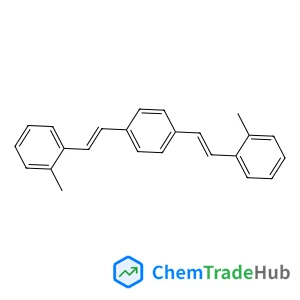
Valiolamine
CAS Number: 83456-22-9
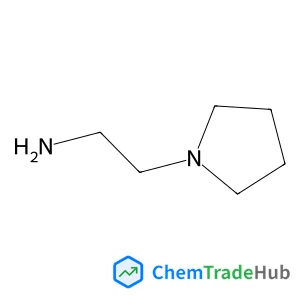
2-(1-Pyrrolidinyl)ethanamine
CAS Number: 7154-73-6
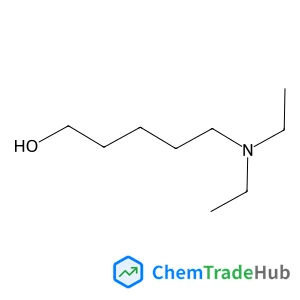
5-(Diethylamino)-1-pentanol
CAS Number: 2683-57-0
![2-Methyl-2-propanyl 4-{[2-(2-aminophenyl)ethyl]amino}-1-piperidinecarboxylate](https://static.chemtradehub.com/structs/783/783368-12-7-e061.webp)
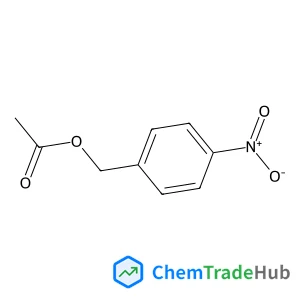
Benzenemethanol, 4-nitro-, 1-acetate
CAS Number: 619-90-9
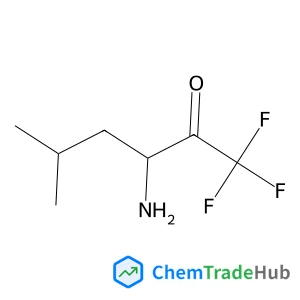
Other Suppliers for Methyl 2-(4-isopropyl-4-methyl-5-oxo-4,5-dihydro-1H-imidazol-2-yl)-4-methylbenzoate - methyl 2-(4-isopropyl-4-methyl-5-oxo-4,5-dihydro-1H-imidazol-2-yl)-5-methylbenzoate (1:1)







Basic Information
Molecular Formula
C32H40N4O6
Molecular Weight
576.69 g/mol
Physical Properties
Melting Point
133℃
Flash Point
93 °C
Chemical Identifiers
SMILES
CC1=CC(=C(C=C1)C(=O)OC)C2=NC(C(=O)N2)(C)C(C)C.CC1=CC(=C(C=C1)C2=NC(C(=O)N2)(C)C(C)C)C(=O)OC
InChIKey
WXUNXXKSYBUHMK-UHFFFAOYSA-N
Database References
MDL Number
MFCD09265341
Beilstein Registry Number
8328238
FAQ
The compound (CAS: 81405-85-8) falls under the regulatory framework of the Global Harmonized System (GHS) for classification and labeling of chemicals. It is also subject to REACH regulations in the European Union, requiring registration if used in quantities above a certain threshold. In the United States, it may be regulated by the FDA for specific applications and the EPA for environmental protection and waste management.
There are alternative reagents and synthetic pathways that can be used to produce similar compounds with similar functional groups. For instance, isosteres such as 2-aminobenzophenone and its derivatives can serve as viable alternatives, depending on the specific requirements of the synthesis and the desired properties of the final product.
The market for this compound is likely driven by its use in pharmaceutical and agrochemical industries due to its antimicrobial properties. Research trends suggest a focus on optimizing synthesis methods and exploring its potential in new drug development and crop protection. Additionally, there is growing interest in its environmental impact and sustainability in manufacturing processes.
Waste containing the compound should be collected in appropriate containers, labeled with the correct hazardous waste classification, and disposed of according to local regulations. Incineration is a common method for disposal, provided it meets the necessary emission standards. Alternatively, professional waste disposal services may be used to ensure safe and compliant handling. Environmental protection measures should include minimizing the release of the compound into the environment to protect ecosystems.
Safety Notice
Please verify product specifications and safety data before use. Contact the supplier for detailed safety information.
Always follow proper handling procedures

Contact Information
hepeng20160718@foxmail.com
Mobile
13122891558
Telephone
186-16545970
Visit Website
https://www.hepengbio.com/